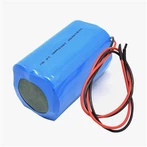
The electric bike industry has grown exponentially in recent years, providing an eco-friendly and efficient alternative to traditional commuting. At the heart of every e-bike lies its battery, which directly impacts performance, speed, and range. Among the various battery voltage options, 24V and 48V stand out as two of the most discussed choices.
Choosing between them isn't just about picking the one with the higher number-it's about understanding how voltage influences power, efficiency, and overall riding experience. In this article, we will break down the differences between 24V and 48V e-bike batteries, their advantages and drawbacks, and help you determine which is the best fit for your needs.
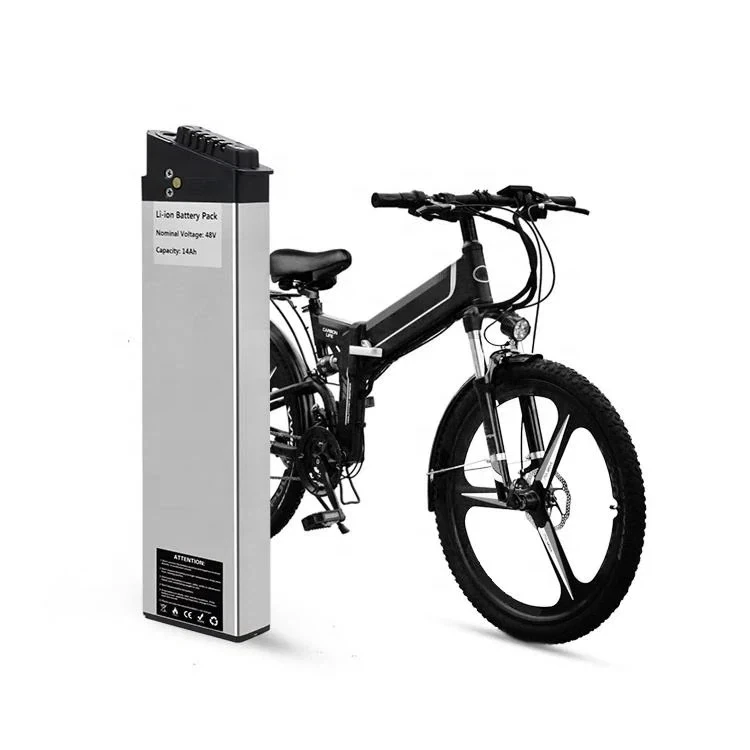
Understanding E-Bike Battery Voltage
Voltage in an e-bike battery determines the force with which electrical current is supplied to the motor, much like water pressure in a hose. A higher voltage means more energy is pushed into the motor, leading to increased power and efficiency. However, higher voltage isn't always better-it must align with the bike's motor and intended use.
The Relationship Between Voltage, Power, and Performance
- Speed: A higher voltage battery can deliver more power to the motor, allowing the bike to reach greater speeds.
- Torque & Acceleration: More voltage means stronger torque, improving acceleration and hill-climbing capabilities.
- Energy Efficiency: While a higher voltage system may deliver more power, it can also lead to better efficiency as it reduces current draw, minimizing energy loss due to resistance in wiring.
When selecting an e-bike battery, it's important to strike a balance between voltage, motor compatibility, and riding conditions. Now, let's take a closer look at 24V and 48V e-bike batteries individually.
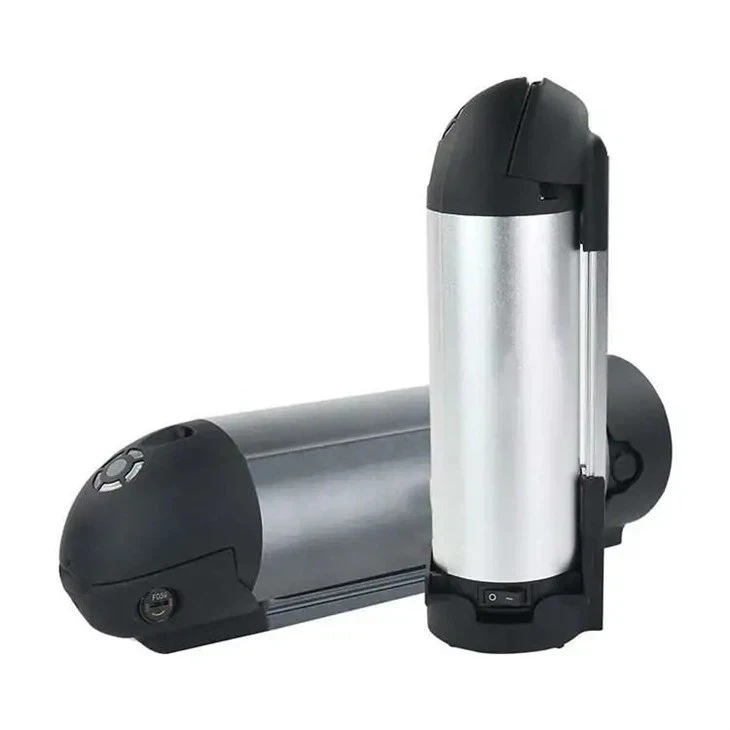
24V E-Bike Battery: Features & Best Use Cases
A 24V battery is often considered an entry-level power source for e-bikes, offering basic functionality for light commuting and recreational riding.
Key Characteristics:
- Provides moderate power, supporting speeds between 18-20 mph.
- Works efficiently for short commutes and flat terrains.
- Lightweight and cost-effective, making it an attractive option for budget-conscious riders.
Best Suited For:
- Urban commuters who travel short distances on flat terrain.
- Leisure riders looking for a simple and affordable e-bike option.
- Users who prioritize affordability over high performance.
Advantages:
- Lower cost: Ideal for beginners or casual riders.
- Lightweight: Easier to handle and mount on e-bikes.
- Energy-efficient for low-power applications: Works well when power demand is minimal.
Disadvantages:
- Limited speed and torque: May struggle with inclines and carrying heavy loads.
- Shorter range: Requires frequent recharges on longer trips.
- Not suitable for performance riding: Lacks the necessary power for off-road and high-speed applications.
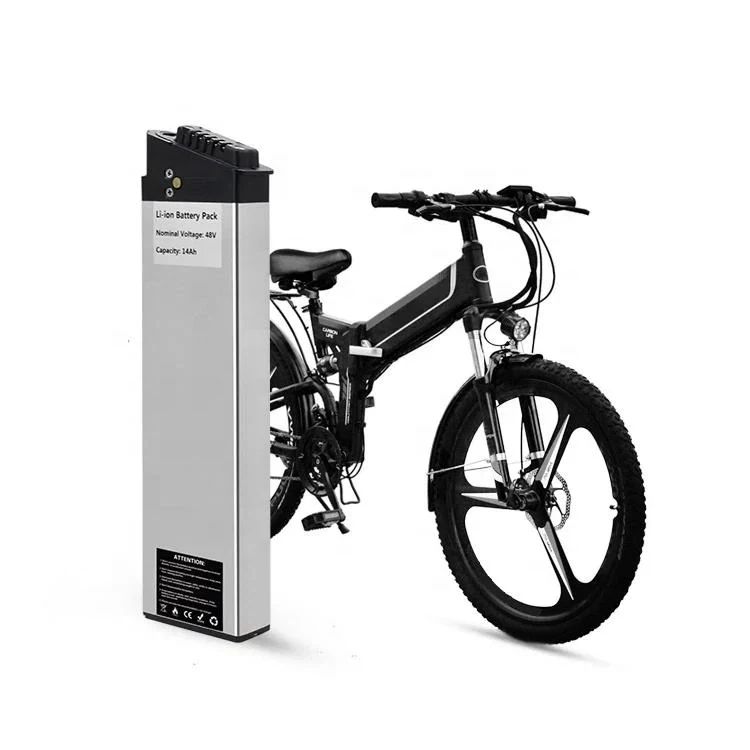
48V E-Bike Battery: Features & Best Use Cases
As e-bike technology advances, the demand for higher performance batteries has increased. A 48V battery is a significant upgrade over 24V, providing enhanced power, better efficiency, and extended range. This makes it a preferred choice for riders seeking more speed, higher torque, and greater endurance.
Key Characteristics:
- Higher power output, enabling speeds of 30 mph or more.
- Increased torque, making it more suitable for steep inclines and heavy loads.
- Greater energy efficiency, as higher voltage systems reduce current draw, minimizing heat loss and extending component lifespan.
- Larger battery size and weight, requiring a more robust bike frame and mounting system.
- Higher cost, due to increased cell count and energy storage capacity.
Best Suited For:
- Speed enthusiasts who prioritize high performance and fast acceleration.
- Long-distance riders needing extended range per charge.
- Off-road and hilly terrain riders, where more torque is necessary for uphill climbs.
- Heavy-load users, including those carrying cargo or passengers.
Advantages:
- Stronger power output translates to better acceleration and top speed.
- Improved hill-climbing capabilities, making steep terrains manageable.
- Longer battery life per charge, reducing the frequency of recharges.
- Higher efficiency, as it draws less current for the same power output compared to lower-voltage batteries.
Disadvantages:
- Increased cost, making it less budget-friendly.
- Heavier weight, which may impact bike handling.
- Requires compatible motor and controller, meaning an upgrade might be necessary if switching from a lower voltage system.
- A 48V battery is an investment in performance, durability, and riding flexibility, making it the ideal choice for serious e-bike riders who require more than just basic commuting capabilities.
24V vs 48V: Which One is Right for You?
Now that we've explored both 24V and 48V e-bike batteries, the next step is determining which one best suits your specific riding needs. Let's break it down based on different factors.
1. Performance vs Budget
24V: A more affordable entry-level option, suitable for casual riders.
48V: A premium choice for those seeking more power, speed, and endurance.
2. Commuting vs Adventure
24V: Perfect for short urban commutes on flat roads.
48V: Ideal for long-distance travel, mountain biking, and high-speed riding.
3. Flat Roads vs Hilly Terrain
24V: Works well on smooth, flat surfaces but struggles on inclines.
48V: Provides ample torque to conquer steep hills and rough trails.
4. Lightweight vs Power
24V: Lighter and easier to install, making it suitable for compact e-bikes.
48V: More powerful but heavier, requiring a sturdy bike frame and suspension.
5. Battery Efficiency & Longevity
24V: Shorter battery life per charge; frequent charging needed.
48V: More efficient and longer-lasting, reducing the number of charging cycles over time.
Conclusion: Choosing the Right E-Bike Battery
Selecting between a 24V and 48V e-bike battery ultimately depends on your riding needs, budget, and performance expectations.
- If you are a casual rider, using your e-bike for short urban commutes on flat terrain, a 24V battery is a lightweight, affordable, and practical choice.
- If you need more speed, power, and endurance, especially for long-distance riding, hill climbing, or carrying heavy loads, a 48V battery offers superior performance and efficiency, making it a better long-term investment.
While 24V batteries serve well for entry-level riders, 48V batteries provide greater power and longevity, reducing the frequency of charging and improving overall riding efficiency. Understanding your specific requirements will help you make the right choice for a seamless and enjoyable e-bike experience.
If you're unsure which battery best suits your needs, GEB can provide expert guidance and high-quality lithium battery solutions. As a leading manufacturer with a direct supply chain, we ensure competitive pricing, superior quality, and reliable performance. Contact us today to find the best battery for your e-bike!