
Latest Products



Contact Us
- 4th Floor, Building 5, Mingkunda Industrial Park, 38 Huachang Road, Dalang Street, Longhua District, Shenzhen 518109, Guangdong Province, PR China
- sales@gebattery.co
- +86-755-81762725 ext.611
- +86-755-81762726 ext.611
- +86-755-81762727 ext.611
Brand GEB belongs to General Electronics Technology Co., LTD. It is a professional manufacturer of electric bicycle lithium batteries. GEB means getting energy from our battery. This brand name is famous in the global lithium battery industry. Our factory was established in 2009 and is located in Shenzhen. Now, we have more than 180 employees, our annual sales of more than 30 million US dollars, and have become leaders of the industry. Our products mainly includes electric bicycle battery, scooter battery, motorcycle battery, power tool battery, forklift battery and toys car battery.
R&D And Manufacturing
GEB has a lithium battery R&D team of more than 20 people, and technology research and development is at an important position in the company's development. Through rigorous R&D organization, advanced R&D equipment and a large amount of R&D investment, we have achieved industry-leading research and development results. Our strong R&D teamcan coordinate the design and development process of our customers according to their needs, design and development, and help customers to quickly realize product solutions.
Quality Control
GEB is equipped with professional battery testing facilities, including UL safety electrical testing laboratory, instrument salt and fog test equipment, lithium battery cell performace test, and high and low temperature performance test machine. Our company adheres to a high-quality vision to perform the reliability tests for all new models.
Complete Qualifications
The company has passed ISO quality certification system as well as multiple certification CE, UL, MSDS, IEC. We always committed to providing high-quality products for our customers.
Broad Market
We always maintain a friendly relationship of mutual trust and mutual selection with our customers. We have visiting customers from all over the world, involving Pakistan, Las Vegas, US, UK, Spain, Italy, Mexico and so on.
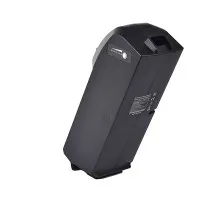
 36 Volt 20ah Lithium Battery
We are pleased to present our 36 Volt 20ah Lithium Battery, a dependable and high-capacity power source for motorcycles. This 36V battery pack may be tailored to meet your unique needs and has a
Add to Inquiry
A motorcycle battery, also known as a storage battery, is a device that converts chemical energy into electrical energy. It is a crucial component of a motorcycle, enabling the vehicle to operate properly. The motorcycle battery typically contains lead-acid cells and produces a standard voltage of 12V. It supplies the necessary power to start the engine and also provides a stable voltage to the motorcycle's electrical system.
Lead-Acid Batteries
Traditionally, motorcycles used a lead-acid battery and most still do. Developments in lead-acid batteries have overcome many of the hurdles they originally presented. There are three types of lead-acid battery, flooded (or wet cell), AGM (absorbent/absorbed glass mat), and Gel.
●Wet Cell: Wet cell batteries contain cells that are filled with a liquid electrolyte (sulfuric acid) and then charged.
●AGM: The absorbent glass mat (AGM) battery uses fiberglass matting to absorb and store the sulfuric acid electrolyte. This makes the battery more efficient and spill-proof.
●Gel: A lead-based battery containing a suspended silicate gel. They act and function similar to an AGM but are a bit more finicky about the voltage they can be charged at. No current motorcycle manufacturer uses these, though the terminology is often confused with AGM.
All lead-acid batteries have lead plate electrodes and a water/sulphuric acid electrolyte. As the battery discharges, the electrolyte becomes less acidic. As the battery charges, the electrolyte becomes more acidic and gives off oxygen and hydrogen.
Lead-acid batteries also have a venting mechanism, even though some are “sealed.” They have to vent otherwise they would explode because of pressure build-up. The water in the electrolyte turning to gas through the electrochemical charging process creates this pressure.
Lithium Batteries
A Lithium battery has a lithium-iron-phosphate positive electrode, a carbon negative electrode, and a lithium salt/organic solvent electrolyte. Contrary to popular belief, Lithium batteries for motorcycles do not spontaneously combust or explode. It’s lithium-ion (Li-ion) batteries that can do that!
Motorcycle batteries are lithium-iron-phosphate (LiPo or LiFEPo). They can, however, have problems starting a bike when it is cold, and display symptoms similar to that of a flat battery unless warmed up first.
And before we put you off, warming up a battery doesn’t involve removing it, wrapping it in a blanket and giving it a cuddle. All you need to do is use it, for example, by cranking the engine until it will turn, or leaving the headlights switched on for a few minutes. Once warmed up, the battery should perform better than a lead-acid one.

Compared: Lead-Acid and Lithium
Lead-Acid
Pros
●Cheaper
●Better recovery from deep discharge
●Good choice of types to suit different budgets and requirements
●Potential to upgrade
Cons
●Heavy
●Non-VRLA/SLA types require regular maintenance
●Non-VRLA/SLA types contain corrosive electrolyte that could leak
●Contains lead, so bad for the environment
●Shorter life
●Shorter warranty period (usually 1 year)
●Higher self-discharge rate when not in use (up to 1% per day)
●Longer charge time
●Lose more cranking power in freezing conditions
Lithium
Pros
●Lighter weight
●Longer life
●Higher power density
●Linear power delivery, even when partially discharged
●Quicker charge time
●Internal BMS (battery management system)
●No gas emissions
●Non-toxic, no recycling restrictions
●Lower self-discharge rate when not in use (about 2-3% per month)
●Longer warranty period (usually 3 years)
●Dry cell construction so cannot leak electrolyte
●Better performance in freezing conditions as long as they are warmed up
Cons
●Lithium is a limited resource
●More expensive to buy, but initial cost offset through longevity
●Require a lithium-specific charger because of different charging requirements
●Do not work well initially in freezing conditions unless warmed up
●Not recoverable from complete discharge (but a BMS should prevent this)

Before connecting a charger to the battery, ensure that your motorcycle battery is clean. Here are a few steps to safely charge a motorcycle battery:
Remove the Battery: Disconnect the negative terminal first and then the positive terminal. This is crucial to prevent any accidental short circuits.
Connect the Charger: Connect the charger to the battery, positive terminal first, then the negative terminal.
Set the Charger: Set your charger according to the battery type and capacity. If you're using a smart charger, it will automatically detect the appropriate settings.
Monitor the Charging: While charging, keep an eye on the progress. If you notice the battery getting excessively warm, disconnect the charger immediately.
Motorcycle Battery Dos and Don’ts
Charging
●Do
If you are not going to use your battery for several weeks or months, remove it from your motorcycle. Store it in a safe, warm, and dry place. This is typically what happens in the winter season, when everything outside is practically frozen because of the wintry weather.
Your battery recharges automatically when the motorcycle is in use.
●Don’t
Never ever leave your battery in your motorcycle if you know that you will not ride your bike for several weeks or months. If you leave it in your unused motorcycle, it will not recharge, which can significantly cut battery life, especially if the motorcycle is left out in the cold.
Storage
●Do
As mentioned above, after removing it from the motorcycle when not in use, your battery should be stored in a safe, dry place. The storage area should be at least 32° warm. Ensure that it is protected from the cold weather, so it does not crack or freeze.
Place your battery on surfaces made of thick cardboard, plastic, wood, or anything non-conductive.
●Don’t
Do not store your motorcycle’s battery in a cold room. Additionally, keep it away from storage with metal or concrete surfaces. Placing them in such areas will discharge the battery faster.
Charging
●Do
Even if it is in storage, never forget to charge your battery. Charging motorcycle batteries regularly is one way of prolonging their life.
If you can, find an intelligent or smart motorcycle battery charger. This kind of charger allows automatic activation of the charging mode and prevents overcharging.
●Don’t
Although there are now chargers that can be used for both cars and motorcycles, it is still safer for you not to use car battery chargers. You can never be too careful when it comes to choosing the right and compatible charger for your motorcycle’s battery.
Battery Fluid
●Do
Every month, find time to check your motorcycle battery’s fluid. If it needs to be refilled, ask your motorcycle technician or battery specialist to help you with the task. If you do not have a technician or specialist, you can refill it on your own using distilled water. Wear a face mask or any protective gear and gloves. Be sure to do this in a well-lit and ventilated room or area.
●Don’t
Do not fail to check your battery’s electrolyte or fluid levels. Never use battery acids to refill your motorcycle battery’s fluid.
Proper and regular maintenance will not only add years to your motorcycle battery’s life, but it will also help you save in the long run. Most of all, you won’t have to worry about your battery going dead while you’re driving your motorcycle on a busy road or highway.
Understanding the benefits and lifespan of different motorcycle battery types is important when buying a battery, but there are some other factors to take into account based on how your customers will be using the motorcycle. Is it a commuter bike or reserved for weekend riding? Will the motorcycle stay on smooth, paved city streets, or could it hit some rough terrain?
Power Rating
This refers to the voltage of the battery, which is often a 6- or 12-volt. A higher power rating means the battery is better equipped for more powerful vehicles, and higher power ratings can also be useful for determining the battery’s durability.
Reserve Capacity
Once you install the new battery in a motorcycle, you’ll want to know how long it will stay charged. This metric is called the reserve capacity.
Amp Hour
The amp hour measures electric charge, telling you how much amperage a battery will provide in one hour. Motorcycles usually have about 5 AH to 20 AH, with higher amp-hour ratings being better.
Cold-Cranking Amps
Also referred to as CCA, this metric will tell you the number of amps a battery can deliver within 30 seconds at freezing point (0°C or 32°F). A higher CCA means the battery is more reliable in colder weather.
FAQ
Q: How do I know what type of battery my motorcycle has?
Q: What type of Motorcycle battery lasts the longest?
Q: What does AGM mean on a motorcycle battery?
Q: Can I put a lithium battery in any motorcycle?
Q: How do I know when to replace my motorcycle battery?
Your starter motor is experiencing slow or interrupted turnover.
Your instrument panel battery light indicates battery discharge for extended periods after the engine is running.
Your battery seems to lose power quickly in cold or extended starts.
Your headlights dim at idle.
Any of these warning signals may also indicate a problem with the electrical system in your vehicle and not necessarily a battery failure. A battery that is about to fail will often give little or no warning.
Q: Can a motorcycle battery really explode?
Wear glasses or safety goggles
Shield your eyes and face from the battery
Keep as much distance as possible from the battery
Read warning labels on your battery
Do not cause any flames or sparks near a battery
If you get acid on your skin or in your eyes, flush with water immediately and seek medical attention.
Q: How can I avoid motorcycle battery problems?
Ensure battery terminals are free of corrosion and are tightly fitted.
Ensure the battery is held in place in the motorcycle and that it is not loose.
Ensure your battery is the right capacity for your motorcycle.
Make sure there are no short circuits or continuous drains of current (such as an alarm or immobiliser) over long periods without the battery being charged.
Avoid using jumper cables, as this is likely to damage the battery terminals.
Periodically ensure the battery is fully charged by measuring the specific gravity of the electrolyte.
Q: What are the dangers of handling a motorcycle battery?
Q: How long can I leave my motorcycle battery unused?
Q: What is overcharging?
Overcharging is usually accompanied by heavy gassing (beware of the risk of explosion) that will accelerate the shedding of the active material from the positive plates.
Overcharging is also usually accompanied by high electrolyte temperatures resulting in rapid deterioration of the plates and separators. Overcharging may cause buckling of the plates leading to perforation of the separators and internal short circuits.
Q: Are lead-acid batteries recyclable?
Q: Can a motorcycle battery freeze?
Q: Can I store a motorcycle battery indefinitely?
Q: What is a gel cell Battery?
Q: What is AGM Battery?
AGM batteries will not leak or spill even if broken and can survive most freezes. AGM batteries are “recombinant” — that means the oxygen and hydrogen recombine inside the battery. These batteries use gas phase transfer of oxygen to the negative plates to recombine them back into water while charging and prevent the loss of water through electrolysis.
Charging voltages for most AGM batteries are the same as for a flooded lead-acid battery, so there is no need for special charging adjustments or problems with incompatible chargers or charge controls. Since the internal resistance is extremely low, there is almost no heating of the battery even under heavy charge and discharge currents. AGM batteries have a very low self-discharge rate (from 1% to 3% per month). That means they can sit in storage for much longer periods than other battery types without charging. The plates in AGMs are tightly packed and rigidly mounted and will withstand shock and vibration better than any standard battery.
As one of the most professional motorcycle battery manufacturers and suppliers in China, we're featured by quality products and low price. Please rest assured to buy discount motorcycle battery in stock here and get pricelist from our factory. Also, customized service and OEM&ODM service are available.
36 Volt 20ah Lithium Battery, Motorcycle Battery