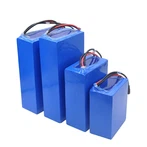
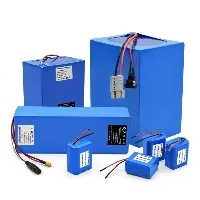
Electric bicycles (e-bikes) are becoming a popular mode of transportation, offering eco-friendly solutions and efficient mobility for urban commuters. As demand for higher performance and longer range increases, the development of advanced battery technology has taken center stage. One critical aspect of this development is the use of new electrolyte materials in e-bike batteries, which promises to revolutionize performance, safety, and longevity.

The Role of Electrolytes in Battery Performance
To fully appreciate the impact of new electrolyte materials, it's essential to understand the role electrolytes play in electric bicycle batteries. In lithium ion batteries, which are commonly used in e-bikes, electrolytes enable the flow of ions between the cathode and anode during the charge and discharge cycles. Typically, these electrolytes are liquid electrolytes containing lithium salts dissolved in organic solvents. While these liquid solutions have been reliable, they come with significant limitations.
Challenges of Conventional Electrolytes
Safety Concerns
Liquid electrolytes, though effective, pose a risk of thermal runaway, where overheating can lead to catastrophic failure, including fires. In the event of a puncture or excessive heat, they can ignite, leading to battery failure or even fire hazards. This safety risk is particularly concerning in electric vehicles like e-bikes, where battery packs are exposed to rough terrains and environmental factors.
Performance at Higher Temperatures
E-bike batteries often operate under challenging conditions, including exposure to high temperatures during long rides. Conventional liquid electrolytes tend to degrade at elevated temperatures, reducing overall thermal stability and cycling life of the battery. This instability directly impacts performance, requiring the user to charge the battery more frequently.
Energy Density Limits
Liquid electrolytes limit the potential energy storage capacity of the battery. While modern lithium-ion batteries can store a significant amount of energy, the demand for longer ranges in electric bicycles highlights the limitations of liquid electrolyte solutions. Riders want to travel longer distances without frequent recharging, and the energy density of current technology is one of the key constraints.
Advantages of New Electrolyte Materials
To address these challenges, researchers and manufacturers are turning towards new electrolyte materials-particularly solid electrolytes. Solid-state batteries have shown immense potential to enhance safety, energy density, and performance in batteries used in electric bicycles.
Increased Energy Density
Solid-state electrolytes allow for the use of high-capacity lithium metal anodes, which can significantly increase the energy density of the battery. This means e-bikes equipped with batteries using solid-state technology could offer extended ranges on a single charge, meeting the demands of long-distance commuters.
Improved Safety
Solid-state batteries eliminate the risk of leakage and combustion that comes with liquid electrolytes. These non-flammable solid electrolytes significantly reduce the risk of thermal runaway, improving the overall safety profile of electric bicycles. This is especially important in urban environments where safety is a priority for both riders and pedestrians.
Enhanced Durability
The mechanical stability of solid-state electrolytes means they can withstand more stress and maintain their integrity over time, even in challenging conditions. This makes them particularly well-suited for electric bicycles, which are often exposed to vibration, shocks, and varying environmental factors. These durable materials ensure longer cycling life and better performance across a wide range of conditions.
Faster Charging Capabilities
Another key advantage of new electrolyte materials, particularly in solid-state batteries, is their potential for faster charging. Solid electrolytes can support higher currents without degrading, allowing e-bike users to charge their batteries more quickly. As fast charging becomes more crucial in today's fast-paced world, this technology could make electric bicycles more convenient and user-friendly.

Application of New Electrolyte Materials in Electric Bicycle Batteries
The introduction of new electrolyte materials is already transforming the electric vehicle industry, and the benefits are starting to extend into the e-bike market. With solid-state batteries at the forefront of this innovation, electric bicycles can become lighter, safer, and capable of traveling longer distances on a single charge.
1. Higher Energy Efficiency for Longer Rides
By incorporating solid-state electrolytes, electric bicycle manufacturers can create batteries with a higher energy-to-weight ratio. This is particularly advantageous for electric bicycles, as users seek to reduce the overall weight of the bike without sacrificing performance. Solid-state battery technology allows manufacturers to deliver lightweight solutions with higher energy density, enabling riders to cover more ground.
2. Enhanced Safety for Urban Riders
Safety remains one of the primary concerns for electric bicycle users, especially in densely populated areas. Solid-state electrolyte materials not only reduce the risk of thermal runaway but also enable manufacturers to build more compact and safer battery packs. This provides a significant advantage, as smaller, safer batteries can be integrated into e-bikes without sacrificing storage capacity or performance.
3. Future-Proofing E-Bike Batteries
As the e-bike industry grows, so too does the need for future-proof technologies that can evolve with user demands. Solid-state batteries and new electrolyte materials represent a step forward, as their modular design and superior energy efficiency align with the goals of sustainable urban transport. Research into further improving these materials could lead to even more breakthroughs in e-bike battery performance.
Current Challenges and the Road Ahead
While the promise of new electrolyte materials is exciting, there are still some hurdles to overcome before solid-state technology becomes widespread in electric bicycle batteries. One of the key challenges is the mass production of these advanced batteries. Solid-state batteries require specialized manufacturing techniques, and scaling up production while maintaining cost-effectiveness is a challenge the industry is actively working to address.
Another area of ongoing research is improving the solid electrolyte interface (SEI) to enhance the compatibility between the electrolyte and the lithium metal anode. As researchers continue to refine this technology, we can expect steady progress toward overcoming these challenges and unlocking the full potential of solid-state electrolytes.
How to buy high-performance electric bicycle batteries
GEB brand belongs to General Electronic Technology Co., LTD., is a professional electric bicycle lithium battery manufacturer, enjoys a high reputation in the global lithium battery industry. Our factory was established in 2009 and is located in Shenzhen. Today, with more than 180 employees and annual sales of more than $30 million, we have become an industry leader in electric bicycle batteries. Our products mainly include electric bicycle batteries, scooter batteries, motorcycle batteries, power tools batteries, forklift batteries and toy car batteries. We have always focused on the research and development of high-end safe lithium batteries, and adhere to the technical route of lithium iron phosphate batteries, which has never changed. There has never been a safety accident caused by our batteries, and we have won the reputation of domestic and foreign customers. Choosing GEB is to choose a safe lithium battery.