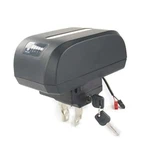
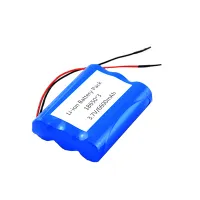
When choosing an electric bicycle (e-bike), the battery's specifications and performance are often top priorities for riders. As the e-bike market continues to grow, more battery options are becoming available, and among them, the 60V battery stands out for its powerful output and longer range. However, many potential e-bike owners have a common question: "Can my e-bike run on a 60V battery?"
This question doesn't have a simple "yes" or "no" answer because it depends on factors such as the bike's design, the battery's compatibility with the motor and controller, and the rider's specific needs. In this article, we will explore how a 60V battery works in an e-bike, the benefits it offers, and the considerations you need to take into account when upgrading your battery.
The Basic Working Principle of E-Bike Batteries
To understand whether an e-bike can run on a 60V battery, it's essential to first understand how e-bike batteries work. The e-bike battery serves as the power source for the entire system, supplying the energy required to power the motor and propel the bike forward. Essentially, it's a device designed to store and release electrical energy.
There are two main factors that affect the performance of an e-bike battery:
- Voltage (V): The voltage of a battery determines the power output. Higher voltage means more power to the motor, resulting in faster acceleration and higher top speeds. For example, most standard e-bikes use 48V or 52V batteries, suitable for everyday city commuting. A 60V battery, however, is typically found in higher-performance bikes, providing more power for demanding tasks like hill climbing or off-road riding.
- Capacity (Ah): The capacity, measured in amp-hours (Ah), determines how long the battery can last before needing a recharge. A larger capacity allows for longer rides on a single charge.
Thus, choosing the right combination of voltage and capacity is critical for achieving the desired performance and range for your e-bike. Different battery voltages are designed to match specific motors and controllers, and understanding how they interact is key to optimizing your e-bike's performance.
The Application of 60V Batteries in E-Bikes
Now, let's dive into how a 60V battery performs in an e-bike and why it's an attractive option for many riders.
More Power Output
A 60V battery offers higher voltage, which translates to increased power for the motor. This boost in power means that the motor can reach higher speeds more quickly, providing stronger acceleration and better overall performance. If you need that extra power for climbing hills, tackling rough terrains, or accelerating faster, a 60V battery is a great choice.
For high-performance e-bikes, particularly those designed for mountain biking, off-roading, or steep hill climbing, a 60V battery is ideal. It ensures that the motor has enough energy to provide consistent power output under demanding conditions.
Longer Range
In addition to more power, a 60V battery also typically offers longer range compared to 48V or 52V batteries. This is due to the larger capacity of 60V batteries, which allows for more energy storage. As a result, riders can travel further on a single charge, making 60V batteries especially useful for long-distance rides or touring.
For example, some high-capacity 60V batteries can provide a range of over 100 kilometers on flat terrain, which is perfect for those who want to explore more expansive areas or engage in longer trips without worrying about running out of battery.
Better for Higher Loads
Compared to 48V or 52V systems, 60V batteries perform better when handling heavier loads. Whether you're carrying extra weight, tackling inclines, or riding at higher speeds, a 60V battery ensures that the e-bike remains stable and efficient. This is particularly beneficial for cargo bikes, tandem bikes, or riders who often carry gear.
A higher voltage allows the motor to perform optimally without straining, ensuring smoother, more reliable performance even when the bike is under load.
Suitable for High-Performance Motors
60V batteries are often paired with high-performance motors that are designed to generate more power. These motors require higher voltage to perform effectively, which is why 60V batteries are commonly found in top-tier e-bikes. The combination of a 60V battery and a powerful motor results in better overall performance, including higher top speeds, faster acceleration, and improved ability to handle rough terrains.
In conclusion, 60V batteries offer significant advantages in terms of power output, range, and load-bearing capacity. They are ideal for high-performance e-bikes designed for long-distance rides, hill climbing, or carrying heavy loads. However, it's important to note that upgrading to a 60V battery may not be compatible with all e-bike systems. The next section will discuss the compatibility of 60V batteries with existing e-bike systems and what you need to consider before making the switch.
Common Upgrading Solutions for E-Bike Batteries
Upgrading your e-bike battery is a great way to enhance your bike's performance, extend its range, and optimize your riding experience. While some riders may simply look for more power or longer distances, the specific upgrade will depend on the rider's needs and the bike's existing setup. Here are some of the most common solutions for upgrading e-bike batteries:
1. Increasing Voltage for More Power and Speed
One of the most common upgrades is increasing the voltage of the battery to boost power and performance. For example, upgrading from a 48V battery to a 60V battery can significantly increase the motor's performance by providing more energy for faster acceleration and higher top speeds. As we discussed earlier, higher voltage batteries can also help the bike handle steeper inclines or rougher terrains without straining the motor. This makes 60V upgrades particularly popular among e-bikers who ride in hilly or off-road environments.
2. Upgrading to a Higher Capacity for Longer Range
If your primary concern is extending the distance you can travel on a single charge, upgrading to a battery with a higher amp-hour (Ah) rating is a great solution. For instance, swapping a 48V 10Ah battery for a 48V 20Ah battery will effectively double your range, all else being equal. Higher capacity batteries can be especially beneficial for long-distance riders or those who frequently use their e-bikes for commuting.
For those looking for even more power and longer range, a 60V battery with a higher capacity could be a good option. While 60V batteries provide more power, choosing one with a larger capacity means you won't have to sacrifice range in exchange for power.
3. Dual Battery Setup for Extended Range and Power
Another common upgrade is setting up a dual battery system. This allows you to run two batteries simultaneously, effectively doubling the total energy storage and significantly increasing the range of your e-bike. This solution works particularly well for those who want to maximize both power and range without switching to a much larger single battery.
Dual battery setups are ideal for heavy-duty e-bikes, cargo bikes, or for riders who frequently go on extended rides. These systems allow for flexibility in power usage, meaning you can switch between batteries if one gets depleted, keeping you on the road for longer periods of time.
4. Battery Management System (BMS) Upgrade
When upgrading your e-bike battery, the Battery Management System (BMS) is crucial. The BMS regulates the voltage, temperature, and overall health of the battery. If you upgrade to a larger or more powerful battery, you may need to also upgrade or reconfigure the BMS to ensure that it can handle the new setup.
Upgrading the BMS allows for better efficiency, longer battery life, and improved safety features. For instance, a high-quality BMS can prevent overcharging, overheating, and short-circuiting, which helps maintain the longevity of the battery and the overall performance of the e-bike.
Key Considerations for E-Bike Battery Replacement
Replacing or upgrading an e-bike battery can dramatically improve your bike's performance, but there are several key factors to consider before making this decision. Here are the most important considerations to keep in mind:
1. Compatibility with Your E-Bike's Motor and Controller
One of the most crucial factors in any battery upgrade is compatibility. E-bikes are designed with specific voltage and power requirements to ensure that the motor and controller function efficiently. Installing a battery with too high or too low a voltage can cause the motor to underperform or even get damaged.
For example, upgrading to a 60V battery from a 48V system is only viable if your e-bike's controller and motor are designed to handle the increased voltage. If your system is not compatible, you may need to replace the controller or motor to avoid overheating, poor performance, or even failure. Before purchasing a new battery, always check your e-bike's specifications or consult a professional to ensure compatibility.
2. Physical Size and Fit
While voltage and capacity are important, the physical dimensions of the battery are also a significant consideration. Not all e-bike battery compartments are large enough to accommodate a bigger or differently shaped battery. A battery that is too large or incompatible in size might not fit into your e-bike's existing battery compartment.
If you're upgrading to a higher-voltage battery or a larger capacity, make sure the physical size aligns with your bike's frame design. Some e-bike models come with space for a second, auxiliary battery, which can be helpful for a dual battery setup, but the most straightforward upgrade will always be one that fits seamlessly into the existing compartment.
3. Battery Weight and Impact on Performance
Upgrading to a larger battery, particularly a 60V battery, may add weight to your e-bike. This increase in weight can affect the bike's handling, especially if the bike is not designed to handle the extra load. Heavier batteries may make the bike less maneuverable, which is an important factor to consider, especially for urban commuting or off-road riding.
If weight is a concern, consider the weight-to-capacity ratio of the new battery. In some cases, you might find that the performance gains (more power and range) outweigh the extra weight, but it's something to keep in mind.
4. Cost of the Upgrade
While battery upgrades offer significant performance benefits, they can also be quite costly. Upgrading to a 60V battery, especially one with a high capacity, might represent a considerable investment. However, for long-term riders who use their e-bikes for daily commuting or long-distance adventures, this can be an investment that significantly improves their riding experience.
Moreover, a higher-quality battery tends to last longer and offers better overall efficiency. Therefore, it's essential to balance the cost with the benefits it provides in terms of range, performance, and longevity.
5. Warranty and Support
Always check if the new battery is covered by a warranty. Battery manufacturers often offer warranties that protect against defects in materials or workmanship. However, some warranties may not cover damage caused by improper installation or using the battery in ways not intended by the manufacturer.
In addition, ensure that you have access to customer support in case anything goes wrong with your new battery. A reputable manufacturer or supplier should offer guidance, troubleshooting assistance, and, if necessary, replacement services.
Conclusion
Upgrading or replacing the battery on your e-bike is one of the best ways to enhance its performance and extend its range. However, before you make the switch, it's important to consider factors like compatibility, battery size, weight, and cost. Choosing the right battery can ensure a smoother, more efficient, and enjoyable ride.
For riders looking to upgrade their e-bikes with the most reliable and powerful lithium batteries, General Electronics Technology Co., LTD (GEB) provides premium 60V batteries and other high-quality energy solutions. With more than 15 years of experience in the industry, GEB offers direct access to first-hand prices and reliable battery solutions, ensuring you get the best performance, safety, and longevity from your battery.
Whether you're upgrading to a more powerful 60V battery or need a custom battery pack for your specific needs, our team is here to provide tailored solutions that meet your unique requirements.
Contact GEB today and explore our range of battery options to take your e-bike to the next level! ( sales@gebattery.co )
Conclusion and Recommendations
Upgrading the battery on your e-bike to a higher voltage, such as a 60V battery, can offer significant improvements in terms of power, speed, and range. However, it's not a one-size-fits-all solution. The decision to upgrade should be based on a few key factors:
Compatibility: Always ensure that your motor, controller, and overall system can handle the increased voltage and power from a higher voltage battery.
Battery Size and Fit: Be mindful of the physical dimensions of the new battery to ensure it fits in your bike's compartment and doesn't add unnecessary weight that could affect performance.
Cost vs. Benefit: Consider whether the performance improvements (such as more power, better hill-climbing ability, and increased range) justify the investment, especially for long-distance riders.
Battery Management System (BMS): If upgrading to a larger capacity or a different voltage, ensure your Battery Management System is compatible with the new battery to maintain the longevity and efficiency of your e-bike.
A 60V battery upgrade can truly transform your e-bike experience, making it better suited for riders looking to push the limits in terms of power, range, and overall riding performance. However, this upgrade should be made carefully and thoughtfully, with full attention to all the technical and logistical aspects involved.

Why Choose GEB for Your E-Bike Battery Upgrade?
At General Electronics Technology Co., LTD (GEB), we are passionate about delivering the best lithium battery solutions for e-bikes, ensuring that every rider enjoys the highest performance, efficiency, and safety. Whether you're considering a 60V upgrade or another battery solution, GEB provides high-quality, durable, and efficient batteries that meet the latest industry standards.
With over 15 years of experience in designing and manufacturing electric bicycle lithium batteries, we offer direct access to competitive prices, reliable supply chains, and custom battery pack solutions for all types of e-bike systems. Our expert team works closely with each client to deliver tailored battery solutions, from the basic design to full turnkey systems that ensure optimal performance.
Why choose GEB for your e-bike battery needs?
High-Quality Batteries: We use only the best cells and materials to ensure long-lasting, efficient batteries.
Custom Solutions: Our team provides personalized battery design and assembly services for your specific needs.
Reliable Supply: With over 180 employees and an established supply chain, we guarantee on-time delivery and product consistency.
Cost-Effective: By purchasing directly from the source, you bypass intermediaries and get the best prices while maintaining top-tier quality.
Contact us today to learn more about our 60V batteries and other high-performance e-bike solutions. Our experts are here to guide you through the process and ensure you get the perfect battery for your riding needs. ( sales@gebattery.co )