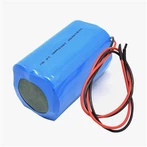
When selecting an electric bike (e-bike) battery, many users wonder: Does a bigger battery last longer? This question often arises from the assumption that battery size directly impacts battery life. While size can be a factor, it is not the sole determinant of how long a battery lasts on a single charge (range) or throughout its overall lifespan (cycle life). As a factory specializing in the production of electric bicycle batteries, I will give you a detailed introduction in this article whether the battery size affects the endurance of electric bicycles.

Does Battery Size Affect Single-Charge Range?
The size of an e-bike battery can influence its capacity, which directly impacts the distance your bike can travel on a single charge. Let's break this down:
Battery Capacity and Size:
Larger batteries typically have higher capacity, measured in watt-hours (Wh). For instance, a 500Wh battery generally lasts longer per charge than a 250Wh battery. However, the physical size of the battery is not always proportional to its capacity, thanks to advancements in energy density.
Energy Density Explained:
Energy density refers to how much energy a battery can store relative to its size and weight. Modern lithium-ion batteries, common in e-bikes, offer high energy density, allowing manufacturers to pack more power into smaller sizes.
Other Factors Influencing Range:
Even with a larger battery, range depends on variables such as:
Rider weight
Terrain (flat roads vs. hills)
Riding mode (eco vs. turbo)
Weather conditions (cold temperatures reduce battery efficiency)
Thus, while a larger battery size often translates to longer range, the real-world impact depends on these additional factors.
Battery Size and Performance: The Key Relationships
Size and Energy Output
A larger battery often contains more battery cells, which means it can deliver a higher amount of power (measured in watts) to the motor. This is especially important for e-bikes designed for climbing steep hills or carrying heavy loads.
Smaller batteries may struggle to provide consistent performance under high demand, leading to issues like power dips or shorter range.
Size and Longevity Under Load
Larger batteries typically handle high-load situations better because they distribute the load across more cells. This reduces strain on individual cells, improving durability and maintaining consistent performance over time.
Size and Discharge Rate (C-rate)
The C-rate indicates how quickly a battery can discharge. A physically larger battery often has a lower discharge rate relative to its capacity, which reduces heat generation and extends overall lifespan during high-demand operations.
Conversely, smaller batteries with a high C-rate may experience faster wear due to increased stress on the cells.
Size and Weight Balance
While larger batteries can provide better performance, they also add weight to the bike, which might impact handling and agility. This is why energy density plays a critical role in determining whether a battery is both powerful and lightweight.
Thermal Management
Larger batteries tend to have better thermal management due to more surface area for heat dissipation. This minimizes overheating risks, which can degrade performance and shorten battery lifespan.
Battery Size and Overall Lifespan
Battery size also has implications for the long-term durability of an e-bike battery. However, this relationship is more indirect:
Thermal Management:
Larger batteries often have better heat dissipation due to their increased surface area. Overheating can degrade a battery's chemical composition, reducing its lifespan. A well-ventilated or larger battery may experience less stress during charging and use, extending its longevity.
Cycle Life:
The overall lifespan of a battery is measured in charge cycles (one full discharge and recharge). Batteries with larger capacities require fewer cycles to cover the same distance compared to smaller ones, theoretically lasting longer in terms of total mileage.
Battery Chemistry:
The type of battery chemistry (e.g., lithium-ion vs. lead-acid) also affects lifespan. Lithium-ion batteries dominate the e-bike market because they offer more cycles (500–1,000) compared to lead-acid batteries, regardless of size.
Factors That Affect Battery Life Beyond Size
While size plays a role, many other factors impact battery life, including:
Charging Practices:
Overcharging or using an incompatible charger can degrade a battery. Always use the manufacturer-recommended charger to avoid damaging internal components.
Depth of Discharge (DoD):
Frequently draining a battery to 0% reduces its lifespan. It's recommended to recharge lithium-ion batteries when they reach 20–30% capacity.
Operating Temperature:
Extreme temperatures, especially cold, can reduce both range and lifespan. Store and charge batteries in a moderate environment to maintain performance.
Maintenance and Storage:
Proper storage during periods of inactivity can preserve battery health. For lithium-ion batteries, store them at around 50% charge in a cool, dry place.
How to Choose the Right E-Bike Battery
When selecting a battery, consider these factors to find the perfect balance between size, performance, and longevity:
Match Battery Size to Your Riding Needs:
For Commuting: A smaller, lightweight battery (250–400Wh) may suffice if you primarily ride short distances on flat terrain.
For Long-Distance Riding: Choose a larger capacity (500Wh or more) to ensure sufficient range, especially if your routes include hills or variable weather conditions.
Check Compatibility with Your Bike:
Ensure the battery fits your bike's frame and is compatible with its motor system. Larger batteries may require additional mounting solutions.
Prioritize Quality Over Size:
Look for trusted brands with strong warranties.
Verify the battery's cycle life rating and energy density.
Evaluate Weight and Aesthetics:
A larger battery can increase the bike's overall weight, affecting handling and appearance. Consider the trade-offs before making a decision.
Conclusion
The size of an electric bicycle battery does affect its performance and longevity, but it's just one piece of the puzzle. Factors like energy density, battery chemistry, and maintenance practices play equally critical roles in determining how long a battery lasts per charge and over its lifetime.
When choosing a battery, focus on your specific riding needs and prioritize high-quality, well-designed batteries that balance capacity, size, and durability. A properly maintained battery will not only keep you riding longer but also save you money in the long run.
Ready to find the perfect e-bike battery? Browse our collection of reliable, high-performance batteries here. For more tips on e-bike care and maintenance, subscribe to our newsletter!
Looking for a high capacity e-bike battery
GEB, part of General Electronics Technology Co., Ltd., specializes in lithium batteries for electric bicycles. Founded in 2009 in Shenzhen, we employ over 180 staff and generate $30M+ in annual sales.
As a direct battery cell manufacturer, we offer first-hand pricing and guarantee quality and supply stability. With strong PACK design, assembly capabilities, and a full supply chain, we provide turnkey solutions to save you costs and simplify your projects. Contact us now to get large size electric bike battery samples(
sales@gebattery.co)