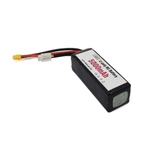
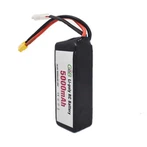
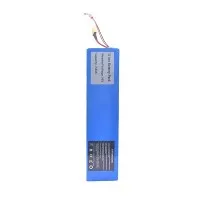
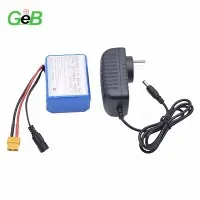
E-bikes have taken the world by storm, providing a convenient, environmentally responsible, and enjoyable way to go around. A battery is at the heart of any e-bike, providing the power that allows it to zoom up hills, cruise effortlessly, and cover great distances. With so many e-bike batteries on the market, it can be difficult to determine which is best for you.
Choosing the Right E-bike Batteries
When choosing an e-bike battery, there are numerous important variables to consider:
The most prevalent e-bike batteries are lithium-ion, which have extended lifespans, great energy density, and a lightweight design. Lead-acid batteries are less expensive but heavier, with a shorter lifespan.
Voltage: Battery voltage is measured in volts (V) and represents the battery's power potential. Higher voltage batteries often offer greater power and range.
Battery capacity is measured in amp-hours (Ah) and represents the amount of energy that the battery can store. Higher capacity batteries provide a greater range.
Range refers to the distance an e-bike can travel on a single charge. This is dependent on a number of parameters, including battery capacity, motor power, topography, and rider aid level.
Charging Time: The time required to fully charge the battery. Faster chargers are more convenient, but they may cost more.
Additional features to consider.
In addition to the key considerations listed above, there are a few extra features to consider when purchasing an e-bike battery:
Weight: A lighter battery will make your e-bike easier to manage, especially if you intend to transport it up stairs or store it in a confined location.
Water Resistance: If you intend to ride in wet weather, you'll need a battery that is water-resistant or waterproof.
Warranty: A decent warranty will cover you in the event of any defects or malfunctions.
Caring for Your E-bike Batteries
To get the most out of your e-bike battery, you must take proper care of it. Here are some tips:
Avoid excessive temperatures. Keep your battery cool and dry, and avoid exposing it to direct sunlight or freezing temperatures.
Do not fully charge or discharge the battery. To ensure optimal performance and longevity, keep your battery charged between 20% and 80%.
Use the proper charger: Use only the charger that comes with your battery, or one particularly suited for your battery type.
Receive regular maintenance: Get your battery tested by a skilled technician at least once a year.
Conclusion
With the correct e-bike battery, you may reap the many benefits of e-biking, like increased fitness, lower environmental impact, and a thrilling ride. By selecting the right battery and taking proper care of it, you can assure that your e-bike will provide years of dependable service.