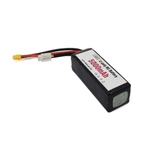
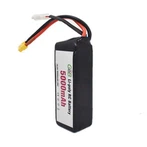
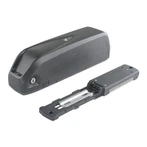
Understanding e-bike batteries can be a daunting task, even for enthusiasts. The intricate details often require knowledge that comes from years of study in electrical engineering, which is no surprise given that it involves a complex interplay of chemistry and mathematics. For anyone venturing into the world of electric bicycles, knowing how to interpret battery specifications-such as battery size, capacity, voltage, amp-hours, and watt-hours-is crucial. These terms may seem interchangeable at times, but they each play a vital role in determining how far an e-bike can travel before needing a recharge. This guide aims to demystify these common battery terms, helping you understand their significance in relation to e-bike performance.

E-Bike Batteries Explained
Batteries are one of the core components of electric bicycles. They supply power to the motor, which assists the rider and reduces the physical effort needed to propel the bike. E-bike batteries come in various configurations; some are fully integrated into the bike's frame and are not removable, while others are designed for easy removal, making charging and replacement convenient.
All e-bike batteries are essentially battery packs made up of multiple cells, similar to standard AA or AAA batteries. However, the cells in e-bike batteries are predominantly rechargeable lithium-ion types, known for their efficiency and longevity-if maintained properly, these batteries can be recharged hundreds or even thousands of times.
Key Battery Parameters
To navigate the world of e-bike batteries, you need to understand several key parameters:
Voltage (V)
Voltage refers to the electrical force that the battery can produce and is typically represented in volts (V). Most e-bikes use batteries rated at either 36V or 48V. Higher voltage allows for quicker power delivery, meaning a 48V battery can accelerate a bike faster than a 36V system. In practical terms, think of voltage as the "water pressure" in a system-the greater the pressure, the more efficiently water (or electricity, in this case) flows.
Capacity (Ah)
Measured in amp-hours (Ah), capacity indicates how much energy the battery can store. For instance, a 12Ah battery can deliver 12 amps for one hour or 1 amp for 12 hours. This measurement directly impacts range-higher capacity typically means longer distances between charges.
Watt-Hours (Wh)
Watt-hours (Wh) provide a more comprehensive understanding of energy capacity. It's calculated by multiplying the voltage (V) by the amp-hours (Ah). For example, a 36V battery with 12Ah has a capacity of 432Wh. This measurement is particularly useful when comparing batteries of different voltages, as it offers a standardized way to gauge energy storage.
Amp-Hours (Ah)
Similar to capacity, amp-hours measure how much energy a battery can deliver over time. A higher amp-hour rating equates to more energy available for your ride, making it crucial for understanding how long your e-bike can run on a single charge.
Charge Time
The time it takes to fully charge a battery can range from 3 to 12 hours, depending on the type and capacity of the battery. A faster charge time can be essential for users who frequently need to recharge their e-bikes.
Cycle Life
Cycle life indicates how many times a battery can be charged and discharged before its capacity significantly decreases, typically measured as the point where it retains about 80% of its original capacity. Lithium-ion batteries often have a cycle life of 500 to 1,000 cycles.
Battery Size and Weight
The physical dimensions and weight of the battery can influence the overall handling of the e-bike. Generally, lithium-ion batteries are lighter and more compact than their lead-acid counterparts, impacting the bike's performance and ease of use.

How to Choose the Right Battery
When selecting a battery for your electric bicycle, consider the following factors:
Voltage: Choose a battery that matches your e-bike motor voltage (e.g., 48V). Matching the voltage helps ensure optimal motor performance. If you plan to switch to a different voltage battery, ensure that your motor and controller can handle the new voltage to avoid performance issues or potential damage.
Capacity (Ah and Wh): Capacity directly affects your range. For short commutes, a battery in the range of 10-15Ah is suitable, while for longer rides or hilly terrain, consider a battery above 15Ah. Larger capacity batteries are more expensive, but they provide the range and power needed for demanding rides.
Charging Time: Opt for batteries with higher charging efficiency. Quick charging can save you valuable time, which is especially important for frequent users, making this a more critical factor than the initial purchase cost.
Cycle Life: If you plan to use your e-bike frequently, choose batteries with a longer cycle life (e.g., over 500 cycles) for better long-term value. Conversely, if you use your bike occasionally, a battery with a shorter cycle life may suffice to reduce upfront costs.
Physical Size and Weight: Ensure the battery fits your bike properly, as size affects installation and riding experience. Heavier batteries can impact handling, particularly on lightweight e-bikes, so factor in your weight preferences and riding style when making a selection.
Brand and Warranty: Choose reputable brands that offer warranties, which can give you confidence in the battery's quality and longevity.
By aligning these parameters with your specific riding needs, you can make a more informed decision that enhances your overall e-bike experience.
Maintenance Tips for Longevity
Proper maintenance is essential for maximizing battery lifespan. Here are some best practices:
Regular Charging: Avoid letting your battery fully discharge. Keeping it between 20-80% charged is ideal.
Proper Storage: If you're not using your bike for a while, store the battery in a cool, dry place.
Temperature Monitoring: Protect the battery from extreme temperatures, which can degrade its performance.
Real-World Examples
To contextualize these parameters, let's look at two different e-bike setups:
Commuter E-Bike: A 36V, 12Ah lithium-ion battery can typically provide a range of about 30-40 miles, ideal for daily commutes.
Mountain E-Bike: A 48V, 15Ah battery setup would offer higher speeds and a longer range for challenging terrains, such as steep hills and rough trails.
Common Questions
What type of battery should I choose?
Lithium-ion batteries are often the best choice due to their efficiency and longevity.
How can I ensure a battery will fit my e-bike?
Consult the manufacturer's specifications for compatibility, particularly regarding voltage and size.
Is it possible to upgrade my e-bike battery?
Yes, upgrades can be made, but ensure that the new battery is compatible with your bike's motor and controller.
Conclusion
Choosing the right battery for your electric bicycle is crucial for enhancing performance and ensuring long-term usability. By understanding key parameters such as voltage, capacity, watt-hours, amp-hours, charge time, cycle life, and size, you can make an informed decision tailored to your cycling needs. Always consider how you plan to use your e-bike, and consult with experts when necessary. With the right battery, you'll be well-equipped to enjoy all the advantages that electric biking has to offer!

Find a quality electric bicycle supplier
GEB, a brand of General Electronics Technology Co., LTD, is a leading manufacturer of electric bicycle lithium batteries, established in 2009 and located in Shenzhen. With over 180 employees and annual sales exceeding 30 million USD, we have positioned ourselves as industry leaders. Our innovative battery modules feature a unique plastic casing that enhances safety due to the natural insulation and chemical resistance of the material, while also improving low-temperature charging performance. Since our inception, we have remained dedicated to the research and development of high-end safe lithium batteries, specifically focusing on lithium iron phosphate technology. Our commitment to safety is evidenced by our impeccable track record-there have been no safety incidents linked to our batteries, earning us a strong reputation among domestic and international clients. Choosing GEB means choosing safe and reliable lithium batteries.
If you are looking for a E-bick battery manufacturer with safety guarantee, GEB is a good choice for you. Contact us by email now to get a free sample. (sales@gebattery.co)