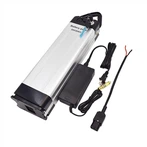
As electric bicycles continue to grow in popularity worldwide, one of the most common questions from e-bike owners is about battery compatibility-particularly when pairing third-party batteries with branded motor systems like Panasonic's. With millions of e-bikes in use across Europe and North America, and lithium-ion batteries powering the majority of them, understanding compatibility is crucial for performance, safety, and longevity.
This comprehensive guide will walk you through the key factors that determine whether your electric bicycle battery will work seamlessly with Panasonic Motor Systems, covering technical specifications, safety considerations, and practical testing methods.

Understanding the Basics of E-Bike Battery Compatibility
Battery compatibility with motor systems depends on several technical parameters that must align between the two components. The first and most critical factor is voltage matching. Panasonic Motor Systems are typically designed to work with specific voltage ranges, most commonly 36V systems (with some older models using 26V/25.2V). Using a battery with a significantly different voltage can lead to poor performance or potentially damage the motor controller.
Current rating (measured in amps) is another crucial factor. Your battery must be capable of delivering the continuous current that the Panasonic motor demands during operation, as well as handling peak current during acceleration or hill climbing. An underpowered battery may overheat or trigger protection circuits during high-demand situations.
Physical connection types represent another potential compatibility hurdle. Panasonic systems often use proprietary connectors that aren't immediately compatible with all aftermarket batteries. While adapters are sometimes available, they can introduce reliability issues if not properly engineered.
Decoding Battery Types and Panasonic System Requirements
Not all lithium-ion batteries are created equal, and Panasonic Motor Systems may perform differently with various battery chemistries. The main types of lithium-ion batteries used in electric bicycles include:
- Manganese Lithium (LiMn2O4)
- Lithium Iron Phosphate (LiFePO4)
- Ternary Lithium (NCM/NCA)
Panasonic typically designs its motor systems to work optimally with specific battery chemistries. Their proprietary systems may include communication protocols between battery and motor that go beyond simple power delivery. These digital handshakes can verify authenticity, adjust performance parameters, and enable advanced diagnostics.
The Critical Role of BMS (Battery Management System) Compatibility
The Battery Management System (BMS) is the brain of your e-bike battery, and its compatibility with Panasonic Motor Systems can make or break your riding experience. A well-matched BMS ensures that:
- Overcharge protection thresholds align with the motor system's expectations
- Temperature monitoring and control work harmoniously
- Current limits are properly set for the motor's demands
- Communication protocols (if any) are correctly implemented
Modern testing emphasizes system compatibility detection, which verifies that the lithium battery can properly coordinate with chargers and vehicle control systems to ensure consistent working modes and prevent charging abnormalities caused by protocol conflicts.
These aspects highlight how modern e-bike batteries are expected to interact intelligently with motor systems, going beyond simple voltage and current matching.
Safety Standards and Certification Checks
When evaluating battery compatibility, safety should be your foremost concern. Key standards in Europe and North America include UL 2849 for e-bike electrical systems (which Panasonic helped pioneer and certify early), UL 2271 for batteries, IEC 62133 for lithium cells, and EN 15194 for EPAC e-bikes.
Key safety markers to look for include:
- Unique identification coding on the battery pack
- Clear labeling for safe use and lifespan
- Flame-retardant materials used in the casing and components
- Certification marks (UL, CE, etc.) indicating compliance with relevant standards
These standards require batteries to undergo rigorous testing including overcharge, short circuit, thermal abuse, and more. They are particularly important for compatibility because Panasonic Motor Systems may rely on specific safety responses from the battery during fault conditions. A battery that doesn't respond appropriately to overvoltage or overtemperature could create hazardous conditions even if it works normally during regular use.
Practical Steps to Test Compatibility
Before committing to a new battery for your Panasonic Motor System, you can perform several practical checks:
Voltage Verification
Use a multimeter to confirm your battery's nominal and maximum voltages match your Panasonic system's requirements. Remember that lithium-ion battery voltages are typically specified by their "nominal" (average) voltage rather than their fully-charged voltage.
Connector Inspection
Physically examine the connectors for both mechanical compatibility and proper pin configuration. Even seemingly identical connectors may have different pinouts that could cause damage if connected incorrectly.
Test Ride with Monitoring
If possible, conduct a short test ride while monitoring battery and motor temperatures. Incompatible systems often reveal themselves through excessive heat buildup during operation.
Charging Behavior Observation
Pay close attention to how the battery charges when connected to your Panasonic-compatible charger. Irregular charging patterns or frequent protection-circuit triggering may indicate compatibility issues.
System Error Codes
Modern Panasonic Motor Systems may display error codes when they detect incompatible or underperforming batteries. Consult your motor's documentation or dealer to interpret these codes accurately.
For more comprehensive testing, specialized equipment or a professional shop can evaluate overcharge protection, BMS accuracy, and system compatibility under various conditions.
The Risks of Using Incompatible Batteries
Using a battery that isn't fully compatible with your Panasonic Motor System can lead to several problems:
Performance Issues:
- Reduced range and power output
- Inconsistent assist levels
- Premature voltage sag under load
Safety Risks:
- Increased potential for thermal runaway
- Overcharging or over-discharging scenarios
- Communication failures between battery and motor systems
Long-Term Damage:
- Accelerated degradation of battery cells
- Potential damage to motor controller components
- Voiding of manufacturer warranties
Recent reports highlight why these risks matter: e-bike battery fires have risen in urban areas, with New York City reporting over 200 incidents in 2023 and hundreds more in 2024 across major cities like London, many linked to battery mismatches, poor-quality replacements, or improper charging.
When to Consult a Professional
While many compatibility checks can be performed by educated consumers, some situations call for professional assessment:
- If your battery shows signs of swelling or physical damage
- When error codes persist after verifying basic compatibility
- If you notice unusual heat patterns during charging or operation
- When dealing with older batteries nearing the end of their safe lifespan
Professional technicians or authorized Panasonic dealers can perform advanced diagnostics including internal resistance measurements, capacity testing, BMS protocol analysis, and thermal imaging.
Future-Proofing Your Battery Investments
As standards evolve and technology advances, consider these factors for long-term compatibility:
1. Prioritize Certified Batteries
Choose batteries that comply with UL 2849, UL 2271, IEC 62133, or EN 15194 standards.
2. Monitor Battery Health
Regular check-ups and following manufacturer guidelines can prevent compatibility issues before they arise.
3. Plan for Obsolescence
As Panasonic updates its motor systems (e.g., GX series), older batteries may become less compatible. Stay informed through dealers or official channels.
4. Consider Manufacturer Recommendations
When possible, using Panasonic-approved or fully compatible third-party batteries (such as those from trusted brands like E-Bike Vision) ensures optimal performance and preserves warranty coverage.
Conclusion: Compatibility as a Multifaceted Consideration
Determining whether your electric bicycle battery is compatible with Panasonic Motor Systems requires evaluating multiple technical, safety, and performance factors. From voltage matching to BMS communication protocols, true compatibility goes far beyond simple physical fitment.
By understanding the relevant standards, performing careful testing, and respecting safety guidelines, you can make informed decisions about battery replacements and upgrades. In an era where proper battery-motor integration can mean the difference between a smooth ride and a safety hazard, taking the time to verify compatibility is always time well spent.
A cautious, informed approach-prioritizing certified options-remains your best strategy for pairing batteries with Panasonic Motor Systems.
E-Bike Battery Compatible With Panasonic Motor Systems - Long Range Replacement
Explore Our Panasonic Replacement E-Bike Battery, Supercharge Your Panasonic E-Bike! Upgrade your ride with this massive 20.8Ah (524Wh) replacement battery. Designed for Panasonic 26V (25.2V) motor systems, it offers nearly double the range of standard original batteries. Built with high-density 18650 cells and a comprehensive safety BMS.

Key Features:
- System Compatibility: Panasonic 26V Drive Systems (North Flyer, KTM, Raleigh, etc.).
- Huge Capacity: 20.8Ah / 524Wh (Extended Range).
- Cell Type: Premium Li-ion 18650 (2600mAh cells).
- Safety: Multi-level BMS protection including temp & short-circuit sensors.
Contact us now to get a free sample. Email: sales@gebattery.co