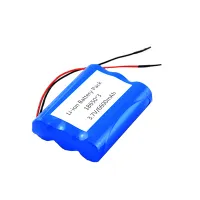
As electric bicycles continue to gain popularity for their eco-friendliness and convenience, the safety of their components, particularly the battery pack, has become a critical focus. A well-designed battery pack not only enhances performance but also ensures the safety of the rider. This article explores the essential aspects of safety design for electric bicycle battery packs, common hazards, and best practices to mitigate risks.
Key Elements of Safe Battery Pack Design
1. Structural Integrity
The physical design of the battery pack is paramount. It should be robust enough to withstand impacts and external pressures. This includes:
Shock Resistance: Utilizing materials and designs that can absorb shocks can protect the battery cells from damage during falls or collisions.
Waterproofing: Since electric bicycles are often used in various weather conditions, incorporating waterproof seals and materials is essential to prevent moisture ingress that could lead to short circuits.
2. Thermal Management
Overheating is one of the primary concerns with battery safety. Effective thermal management systems are crucial for:
Heat Dissipation: Designing the battery pack with built-in cooling systems or heat sinks can help manage excess heat generated during charging and discharging cycles.
Temperature Monitoring: Incorporating temperature sensors that can alert the rider to potential overheating issues can prevent accidents and prolong battery life.
3. Material Selection
The choice of materials used in the battery pack directly influences its safety. Considerations include:
Durability: High-quality materials that can withstand wear and tear contribute to the overall safety and longevity of the battery pack.
Fire Resistance: Utilizing flame-retardant materials helps mitigate the risk of fires caused by battery malfunctions.
Common Safety Hazards
Despite advancements in technology, several safety hazards persist in electric bicycle battery packs:
1. Short Circuits and Overcharging
One of the most prevalent issues is the risk of short circuits, which can result from manufacturing defects or improper handling. Overcharging can also lead to battery swelling and potential fires. To address these risks:
Implementing Battery Management Systems (BMS) can prevent overcharging and monitor cell voltage to maintain safe operating conditions.
2. Aging Batteries
As batteries age, their performance and safety can degrade. Old batteries may become less efficient, increasing the likelihood of overheating or failure. Regular maintenance and timely replacement of aging batteries are essential to ensure ongoing safety.
Optimizing Safety: Best Practices and Innovations
To enhance the safety design of electric bicycle battery packs, manufacturers and designers can adopt several best practices:
1. Leading Design Examples
Brands like Bosch and Panasonic have set benchmarks in battery safety with their innovative designs. For instance, Bosch's battery packs feature advanced thermal management and robust casings, setting industry standards for safety.
2. Technological Innovations
Emerging technologies, such as solid-state batteries, show promise for improving safety. These batteries are less prone to catching fire and can offer better performance and longevity compared to traditional lithium-ion batteries.
Reliability Testing of Battery Packs
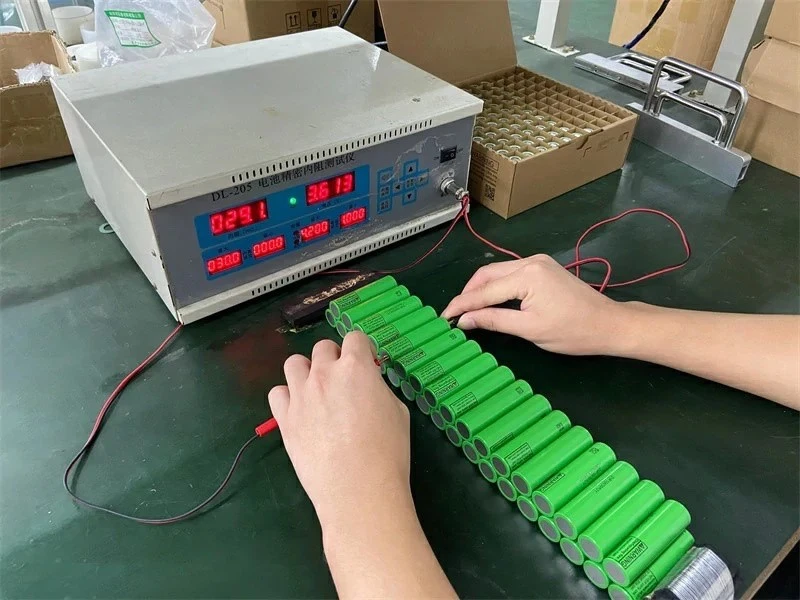
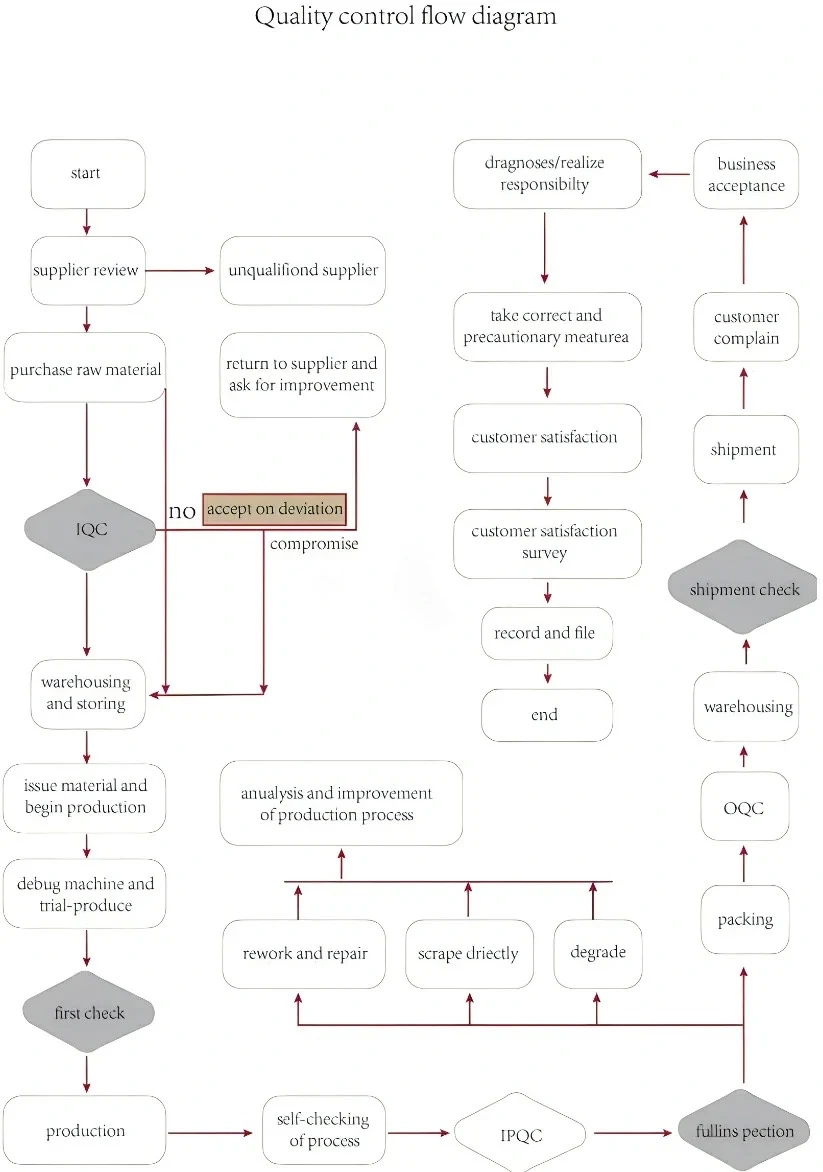
As a high-quality electric bicycle battery manufacturer, GEB adheres to a vision of excellence by conducting various reliability tests on all batteries to ensure safety and performance. Here are some key tests:
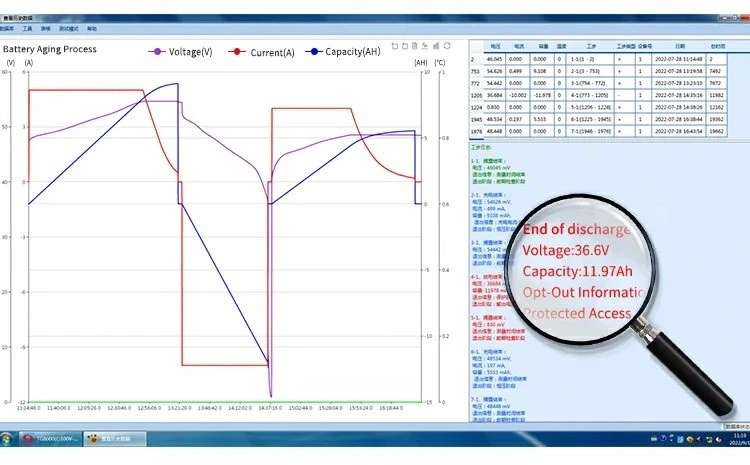
Cycle Life Testing: This test evaluates the battery's durability and performance degradation over repeated charge and discharge cycles. The battery undergoes hundreds to thousands of cycles, monitoring capacity changes throughout.
Overcharge Testing: This test assesses the safety of the battery under overcharging conditions. The battery is charged beyond its rated voltage, and its temperature and any swelling or leakage are observed.
Overdischarge Testing: This test examines whether the battery suffers damage from deep discharge. The battery is discharged below the recommended voltage, and its capacity and potential permanent damage are monitored.
Short Circuit Testing: This test ensures the battery's safety in the event of a short circuit. The battery terminals are intentionally shorted, and temperature and structural integrity are monitored.
Thermal Shock Testing: This test assesses the battery's stability under extreme temperature fluctuations. The battery is subjected to rapid shifts between high and low temperatures, observing any performance changes.
Puncture Testing: This test simulates the reaction of the battery when pierced by a sharp object. A tool is used to puncture the battery, monitoring for leaks and safety risks.
Pressure Testing: This test verifies the structural integrity of the battery under external pressure. Pressure is applied to the battery surface, observing for deformation or leakage.
1.2 Meter Drop Testing: This test assesses the battery's impact resistance during a fall. The battery is dropped from a height of 1.2 meters, observing any damage to appearance and performance.
Nail Penetration Testing: This test evaluates the battery's safety when encountering sharp objects like nails. The battery is penetrated with a nail, monitoring for short circuits or fire hazards.
High and Low-Temperature Discharge Testing: This test examines the battery's discharge performance under extreme temperatures. The battery is discharged in high and low-temperature environments, recording capacity changes.
Different C-Rate Discharge Testing: This test assesses battery performance at varying discharge rates. The battery is tested at different C-rates, observing capacity and voltage changes.
Constant Humidity and Temperature Testing: This test evaluates the battery's resistance to high humidity and temperature environments. The battery is placed in a controlled setting, monitoring for performance changes.
Self-Discharge Testing at Different Temperatures: This test measures the battery's self-discharge rate under various temperature conditions. The battery is stored at different temperatures, with periodic measurements of capacity changes.
If you would like to purchase a safety tested electric bicycle battery, please contact us by email (sales@gebattery.co)