Overview
Any electric bike's battery is its main component. It is the energy source that decides how far you can travel between charges and powers your rides. However, what precisely is contained in an electric bike battery, and how can its lifespan and performance be extended? Now let's get started.
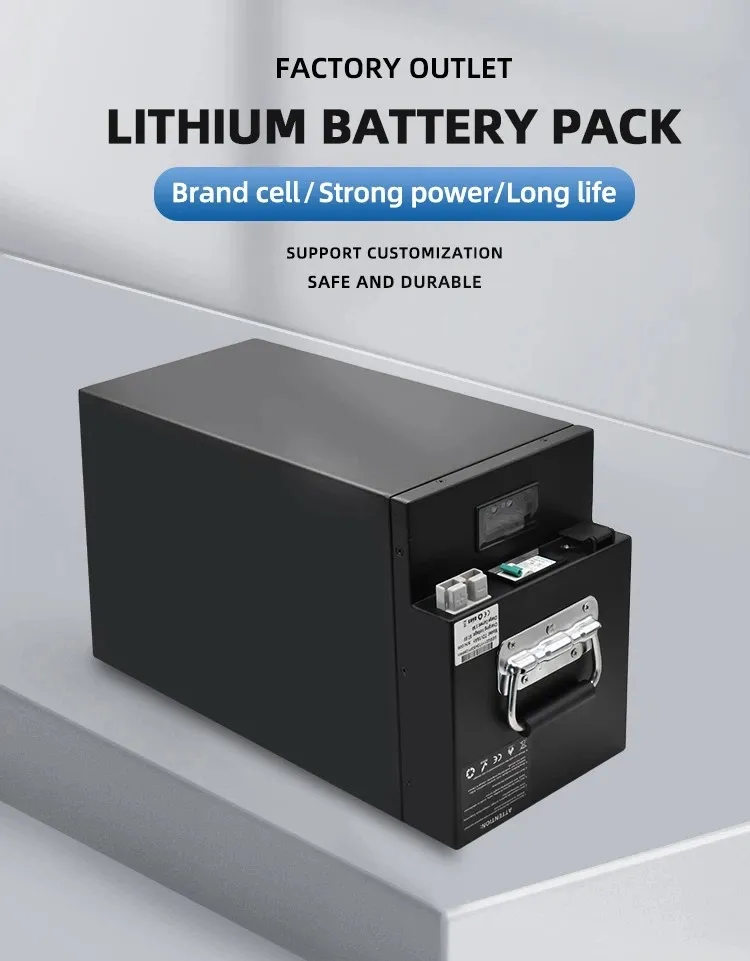
What's in the Battery of an Electric Bike?
Lithium-ion batteries are used in most electric motorcycles. These batteries are perfect for powering electric cars since they are strong, lightweight, and rechargeable. The following are the essential parts of a lithium-ion battery:
The negative electrode, or anode, is usually composed of graphite.
Cathode: A metal oxide, such as lithium cobalt oxide, is used as the positive electrode.
An porous membrane known as a separator keeps the anode and cathode apart.
A liquid or substance that permits ions to flow between the electrodes is called an electrolyte.
Range and Capacity of Batteries
Battery Capacity: A battery's ability to store energy is determined by its capacity, which is expressed in watt-hours (Wh). A longer range corresponds to a bigger capacity.
Range: A number of variables, including as battery capacity, rider weight, topography, and riding style, affect how far an electric bike can go on a single charge.
Variables that Impact Battery Life
Temperature: Batteries can be harmed by extremely high or low temps.
Charging Practices: Overcharging and frequent full discharges might reduce battery life.
Storage: You can extend the life of your battery by keeping it at the right temperature and charge level.
Ways to Increase Battery Life
Try to maintain your battery between 20% and 80% charged to prevent deep discharges.
Make Use of a Good Charger: Using a compatible charger will guarantee correct charging and guard against harm.
Store Correctly: When not in use, keep your battery in a cool, dry location.
Calibrate Frequently: To adjust the battery management system (BMS), periodically fully charge and discharge your battery.
Safety of Batteries
Prevent Overcharging: This increases the risk of fire and damages the battery.
Prevent physical damage to your battery by not dropping it or puncturing it.
Ventilation: When charging your battery, make sure there is enough ventilation.
Battery Upkeep
Check Connections Frequently: Make sure all connections are tight and corrosion-free.
Track Battery Health: You may monitor the health of your bike's battery by using the display or a special battery analyzer.
Recycling of Batteries
To protect the environment, it's critical to recycle your battery properly when its useful life is coming to an end. Numerous battery producers provide recycling initiatives.
In summary
To get the most out of your e-bike, it's important to understand your battery. You can prolong the life of your battery and get many kilometers of riding by paying attention to it and using these suggestions.