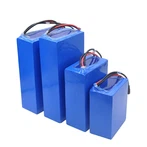
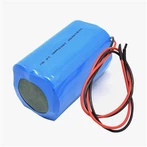
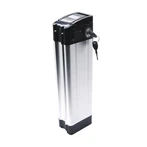
Electric bikes (e-bikes) have become a popular mode of transport, offering an eco-friendly and efficient way to travel. One of the most critical components of any e-bike is its battery, which powers the motor and ultimately determines how far and fast you can ride. When choosing between e-bike batteries, you'll often encounter two common battery capacities: 10Ah and 20Ah. But what do these numbers mean, and how do they affect your riding experience? This post will explain the key differences between a 10Ah and 20Ah e-bike battery and help you decide which one suits your needs.

Understanding E-Bike Battery Basics: What is Ah and Why Does it Matter?
When comparing electric bike batteries, you'll notice that their capacity is often measured in Ah (amp hours). This term refers to the amount of charge the battery can hold, which translates to how long it can power your e-bike before it needs to be recharged. The more amp hours a battery has, the longer the range you can expect.
For instance, a 10Ah battery can provide 10 amps of current for one hour, while a 20Ah battery can deliver 20 amps over the same duration. However, while amp hours give an indication of the battery's capacity, the overall performance of your e-bike also depends on other factors like the voltage and the type of battery used.

10Ah vs 20Ah: Technical Differences
Battery Capacity and Range
The most obvious difference between a 10Ah and 20Ah battery is their battery capacity. A 20Ah battery pack offers double the capacity of a 10Ah battery, which means it can store more energy and, therefore, provide a greater extended range. In practice, this means that a 20Ah battery can keep you riding for much longer than a 10Ah battery on a single charge.
For example, if a 10Ah battery provides a range of around 25 miles under normal conditions, a 20Ah battery can offer up to 50 miles or more, depending on your riding style, terrain, and e-bike motor efficiency.
Watt Hours (Wh) and Voltage
To better understand the energy storage of a battery, it's useful to convert amp hours into watt hours (Wh). This is done by multiplying the amp hours (Ah) by the voltage (V) of the battery. For instance, a 48V 10Ah battery has a capacity of 480Wh, while a 48V 20Ah battery provides 960Wh of energy. This helps you better understand how much energy is available to power your e-bike over longer distances.
Voltage also plays a key role in your e-bike's performance. A 48V battery will generally provide more power and speed compared to a 36V battery. In this case, the higher voltage of a 48V 20Ah battery ensures that the motor can perform more efficiently over longer distances, especially when climbing hills or maintaining higher speeds.
Battery Weight and Size
One of the trade-offs when choosing between a larger battery (20Ah) and a smaller battery (10Ah) is the difference in weight and battery size. Naturally, a 20Ah battery pack is physically larger and heavier than a 10Ah battery, which can affect the overall weight of your e-bike. A larger battery may also be bulkier, which could impact how you handle your bike, especially in tight spaces or when carrying it up stairs.
For riders who prioritize a lightweight, more nimble ride, a smaller battery like a 48V 10Ah battery might be more appealing. However, if you're looking for an extended range and don't mind the extra weight, a 48V 20Ah option would be a better fit.
Charging Time
The difference in battery capacity between 10Ah and 20Ah batteries also impacts how long they take to charge. A 10Ah battery typically takes around 4-5 hours to fully charge, while a 20Ah battery could take 8-10 hours, depending on the charger's output.
For those who use their e-bike frequently, the longer charging time of a larger battery might be a consideration. However, some advanced battery care practices, such as using a high-quality charger or charging your battery overnight, can help manage the longer recharge cycles.
Performance in Different Conditions: How Riding Style and Terrain Affect Battery Life
The actual performance of an e-bike battery varies depending on several factors, including your riding style and the terrain. For example:
- On flat terrain: A 10Ah battery might give you 25-30 miles at a moderate speed of 15-20 mph, whereas a 20Ah battery could offer up to 60 miles.
- On hilly terrain or at high speeds: A 10Ah battery may provide 15-20 miles, while a 20Ah battery can double that, offering 30-40 miles of range.
If you frequently ride in areas with steep hills or at higher speeds, a 20Ah battery with a mid-drive motor can be more advantageous, as it offers more power and longevity in challenging conditions.
Cost Comparison: Is a Larger Battery Worth the Investment?
When choosing between a 10Ah and 20Ah battery, cost is another important consideration. Generally, a 20Ah battery is more expensive due to its higher capacity and extended range capabilities. Prices can vary widely depending on the brand, battery chemistry, and configuration. For instance, lithium-ion batteries, which are the most common type used in e-bikes, tend to be more expensive but offer longer life and better performance compared to older technologies.
If you're a casual rider or only use your e-bike for short commutes, a 10Ah battery might provide enough range and value for your needs without the additional cost. However, if you're an avid rider who often takes long trips or rides in challenging conditions, investing in a 20Ah battery can provide a better long-term experience and fewer recharges.

Battery Care: Extending the Lifespan of Your E-Bike Battery
Whether you choose a 10Ah or 20Ah battery, maintaining your battery properly can help extend its lifespan and performance. Here are a few tips for battery care:
- Avoid full discharges: Try not to let your battery completely drain before recharging. Keeping it charged between 20-80% can improve its longevity.
- Charge at moderate temperatures: Extreme temperatures, whether too hot or too cold, can degrade the performance of lithium-ion batteries. Ideally, charge and store your battery at room temperature.
- Use the right charger: Always use a charger that is compatible with your specific battery pack to avoid overcharging or damaging the cells.
- Store properly: If you're not using your e-bike for an extended period, store the battery in a cool, dry place and recharge it every few months to keep the cells healthy.
Choosing the Right Battery for Your E-Bike
Selecting the right battery for your e-bike depends on your specific needs. Here's a quick guide to help you decide:
When to Choose a 10Ah Battery
- Short commutes or casual riding: If your rides are typically under 25 miles, a 10Ah battery will likely meet your needs.
- Lower cost: A 10Ah battery is more affordable, making it ideal for budget-conscious riders.
- Lightweight: If you prefer a more agile bike with a smaller battery, a 10Ah battery is a good option.
When to Choose a 20Ah Battery
- Long-distance or off-road riding: If you regularly ride more than 40 miles or need to tackle difficult terrain, the extended range of a 20Ah battery is essential.
- Higher power demands: For riders who need more torque, a mid-drive motor paired with a 48V 20Ah battery offers superior performance.
- Less frequent charging: With more capacity, you won't need to recharge as often, which is convenient for frequent riders.
Conclusion: 10Ah vs 20Ah - What's the Best Choice for You?
In summary, the difference between a 10Ah and 20Ah battery comes down to range, power, and your specific needs. A 10Ah battery is lightweight, affordable, and perfect for shorter rides. On the other hand, a 20Ah battery offers double the capacity, providing a longer range and better performance for those who frequently ride long distances or tackle challenging terrains.
By considering factors like battery size, voltage, amp hours, and your personal riding style, you can make an informed decision about which battery is the best fit for your e-bike.

Upgrade your electric travel experience with the GEB Hailong 48v/20ah battery. The purpose of this CE-certified battery is to provide electric bikes and scooters with consistent power. With a compact measurement of 378*110*90mm and a weight of round 4.5kg, it gives an excellent stability of overall performance and portability.

We present the GeB 48v 10ah Lithium Ion Battery For Electric Bike-a dependable and adaptable power source. This battery provides convenient performance and a long cycle life of 1000 cycles thanks to its small size and sturdy construction. With a one-year warranty, effective charging, and a broad operating temperature range, you may feel secure. An dependable and long-lasting power supply is what riders looking for is the GeB 48V 10Ah lithium-ion battery.