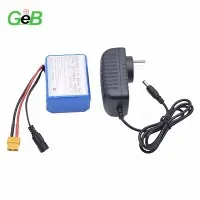
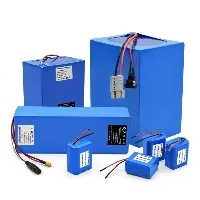
Electric bikes (e-bikes) have exploded in popularity over the past decade, providing people with a sustainable and efficient means of transportation. When consumers buy electric bicycles, they often fall into the dilemma of choice and do not know how to choose the right electric bicycle. As an excellent electric bicycle battery manufacturer, this article will help you understand the impact of batteries on electric bicycle performance from the differences between the common 12V and 24V electric bicycle batteries. Explore the features, advantages, and considerations of different voltages to help you make an informed choice.

Understanding E-bike Batteries
Before we dive into the specific differences between 12V and 24V batteries, it's important to grasp some fundamental concepts. E-bike batteries primarily provide power to the motor, determining how far and how fast you can ride. The two key specifications to consider are voltage and capacity, typically measured in amp hours (Ah).
Voltage indicates the electrical potential of the battery. Higher voltage often translates to increased power output, leading to better performance in terms of speed and hill-climbing ability.
Capacity, or amp hours, refers to the amount of energy the battery can store. A higher capacity means longer riding times before needing to recharge.
bike batteries are often categorized into different types based on their chemistry, with lithium batteries being the most common choice due to their lightweight and high energy density compared to lead-acid batteries.
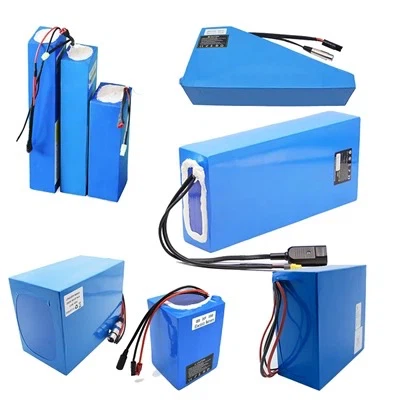
Basic Differences Between 12V and 24V E-bike Batteries
Voltage Impact on Performance
The most significant difference between 12V and 24V batteries is the voltage itself. A 12V battery generally has lower power output compared to a 24V battery. This difference can impact various performance aspects:
Speed: A 24V battery can deliver more power to the motor, allowing for higher speeds. E-bikes powered by 24V batteries often achieve faster acceleration and can maintain higher speeds on flat terrains and inclines.
Hill Climbing: If you live in a hilly area, a 24V battery will provide better torque, enabling you to tackle steep hills with greater ease.
Load Handling: A 24V battery can handle heavier loads better than a 12V battery, making it suitable for cargo e-bikes or those carrying additional equipment.
Charging and Discharging Cycles
Both battery types require appropriate charging cycles to maintain their health. A charging cycle refers to the process of charging a battery from a fully discharged state to a fully charged state.
12V Batteries: Generally, they may require more frequent charging, especially if used for longer rides or heavy loads. If fully discharged, they can be more prone to damage and reduced lifespan.
24V Batteries: These batteries can provide longer rides before needing a recharge, thanks to their higher capacity. However, they still need careful management to avoid deep discharging, which can shorten their service life.
Use Case Scenarios
12V E-bike Battery Use Cases
Casual Riding: If you're primarily using your e-bike for short, leisurely rides around town, a 12V battery may suffice. They are often lighter and less expensive, making them ideal for casual cyclists.
Light Loads: A 12V battery works well for lighter e-bikes or when the rider's weight is minimal, providing adequate power for basic commuting needs.
24V E-bike Battery Use Cases
Commuting and Long Distances: For those who rely on their e-bikes for daily commutes or long rides, a 24V battery is a better choice. It offers increased range and performance, allowing for faster trips without the constant need for recharging.
Cargo and Heavy Loads: If you plan to use your e-bike for transporting goods or riding with passengers, a 24V battery's enhanced power capabilities will better support heavier loads.
Choosing the Right Battery
When deciding between a 12V and a 24V battery for your e-bike, consider the following factors:
Riding Needs
Distance: How far do you plan to ride? If your trips exceed the range of a 12V battery, opting for a 24V model will provide peace of mind.
Terrain: Consider the type of terrain you'll be navigating. If you live in a hilly area or plan to ride off-road, a 24V battery is advisable for optimal performance.
Cost Considerations
Initial Investment: 12V batteries are typically less expensive upfront. However, consider the long-term investment; a 24V battery may offer better value due to its longer lifespan and performance.
Maintenance: Factor in the maintenance costs. While both battery types require care, higher voltage batteries may offer more efficiency and require less frequent replacements.
Upgrading Your E-bike Battery
If you already own an e-bike with a 12V battery but find it lacking in performance, upgrading to a 24V battery can be a game-changer. However, here are some points to consider before upgrading:
Compatibility
Ensure that your e-bike's motor can handle the higher voltage. Check with the manufacturer or consult your e-bike's specifications. Some motors are specifically designed for either 12V or 24V systems, and using an incompatible battery could damage the motor or reduce performance.
Battery Management System (BMS)
When upgrading, ensure that your new battery comes with a reliable Battery Management System (BMS). This system protects against overcharging, overheating, and short-circuiting, enhancing the battery's lifespan and reliability.
Maintenance Tips for E-bike Batteries
Regardless of whether you choose a 12V or 24V battery, proper maintenance is essential for maximizing battery life:
Regular Charging: Avoid fully discharging the battery; charge it regularly, ideally before it drops below 20% capacity.
Storage Conditions: Store your battery in a cool, dry place. Extreme temperatures can adversely affect battery performance and lifespan.
Monitor Performance: Keep an eye on how your battery performs over time. If you notice a significant drop in range or power, it may be time to assess its condition or consider a replacement.
Conclusion
In summary, the choice between a 12V and a 24V e-bike battery hinges on your specific riding needs, terrain, and budget. While 12V batteries may suit casual riders, those who require higher performance and longer ranges will benefit from the advantages of a 24V battery. Understanding these differences empowers you to make an informed decision, ensuring your e-bike meets your expectations and enhances your riding experience.
By carefully considering these aspects and maintaining your battery, you'll be well-equipped to enjoy many miles of exhilarating rides on your e-bike. Whether you opt for the lighter and cheaper 12V battery or the powerful 24V option, remember that your choice will significantly impact your e-biking adventures.
Get a free sample of high quality electric bike batteries
GEB, a brand of General Electronics Technology Co., LTD, is a professional manufacturer of electric bicycle lithium batteries, established in 2009 in Shenzhen. With over 180 employees and annual sales exceeding 30 million USD, we have become industry leaders. Our strong battery R&D and production team, coupled with a comprehensive quality control system and international certifications, has earned us high praise from customers worldwide.
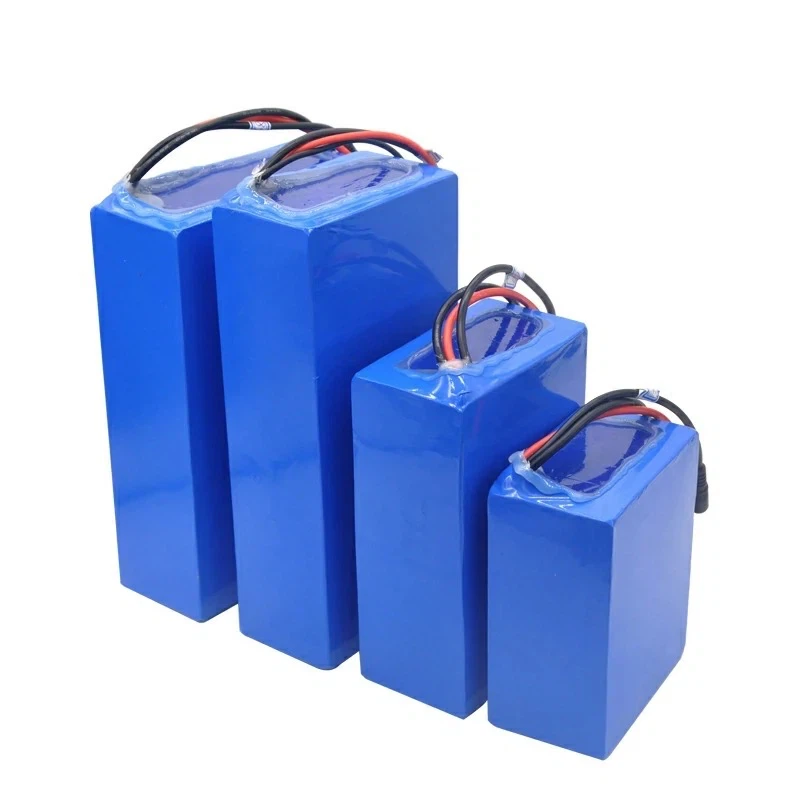
Electric Bike Battery 24v 20ah
our 24V 20Ah electric bike battery from GeB. This Grade A battery features an impressive cycle life of 1,000 cycles, operates between 0℃-45℃ for charging and -20℃ to 60℃ during use, and weighs only 2,600g. Its flat cap design and customizable size, along with MSDS certification, enhance versatility. With a charging time of 7-8 hours, it supports a continuous discharge current of 3C and a charging current of ≤3A. Designed for energy storage, this battery promises quality, reliability, and a shelf life of up to 1 year, transforming your e-bike experience.
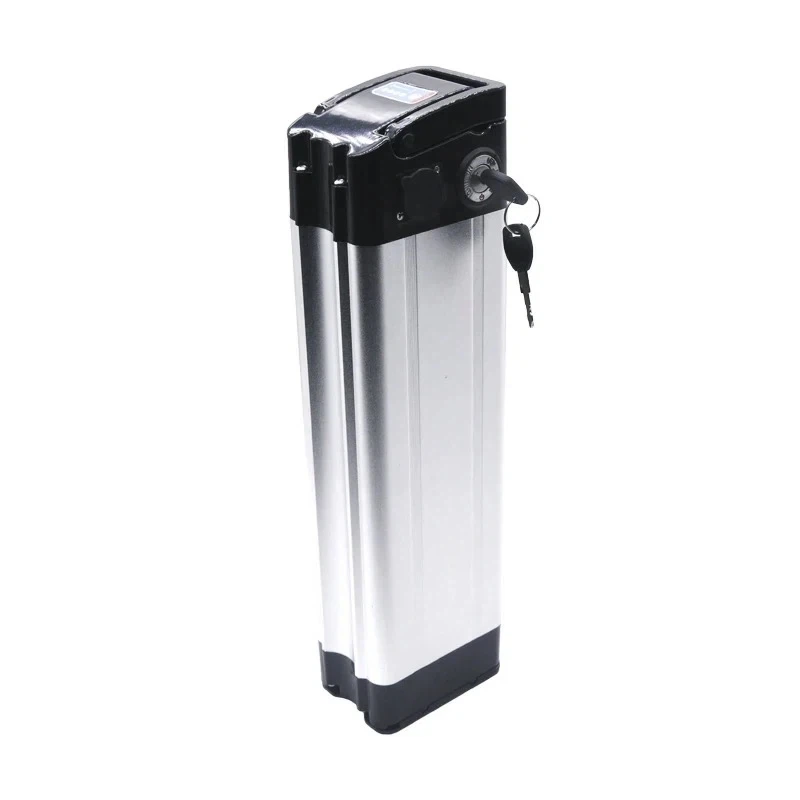
Introducing the Silverfish 36V battery from GeB. This Ternary Lithium-ion battery offers a remarkable cycle life of 1,000 cycles, weighing 3,000g with dimensions of 39011075mm for easy integration into e-bike frames. It ensures efficient charging at ≤3A and discharging at 1C, with a maximum continuous discharge of 5C and charging at 5A for optimal performance. Operating within a temperature range of -20°C to 60°C for discharging and 0°C to 45°C for charging, it's suitable for various riding conditions. Backed by a 1-year warranty and MSDS certification, the Silverfish 36V battery provides reliability for your e-biking adventures.