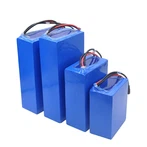
Due to the characteristics of the battery, its working principle relies on the reciprocating intercalation/deintercalation of lithium ions between the positive and negative electrodes to form an electric current. As the charging and discharging cycles are repeated, the battery of an electric bicycle may encounter problems such as the gradual deterioration of the positive and negative electrode materials, the decomposition of the electrolyte, and the increase in internal resistance, which will lead to a shortened battery life. However, in addition to this, the usage environment of electric bicycles also affects the battery life after each full charge.
As a professional manufacturer of electric bicycle batteries, in order to help you better identify the potential possible factors for the shortened battery life of electric bicycles, I will discuss with you in this article, "Why does my eBike battery drain faster than expected?"
Common Causes of Fast eBike Battery Drain
- Improper Charging Habits
Charging habits play a critical role in maintaining battery health. Overcharging, undercharging, or using incompatible chargers can contribute to capacity loss over time. It is important to follow the manufacturer's guidelines, ensuring the battery is charged within recommended limits and unplugged once fully charged to avoid unnecessary stress.
- Battery Aging and Condition
Like all lithium-ion batteries, eBike batteries degrade gradually. Aging reduces their ability to hold a full charge, leading to faster depletion during rides. In some cases, internal cell imbalance can occur, where certain cells deteriorate faster than others, causing inconsistent performance. Regular inspection and timely replacement are essential to maintaining optimal functionality.
- Riding Habits and Style
Riding behavior significantly influences battery consumption. Frequent rapid acceleration, high-speed riding, and constant stopping and starting place additional demands on the battery. Overreliance on the throttle instead of the pedal-assist system (PAS) also leads to quicker energy drain. A more moderate and consistent riding style can noticeably improve battery efficiency.
- Weight and Load Issues
The total weight carried by the eBike-including the rider and any cargo-directly affects energy consumption. Heavier loads require the motor to work harder, accelerating battery depletion. Distributing weight evenly and minimizing unnecessary load can contribute to longer battery life.
- Riding Conditions and Terrain
Terrain plays a vital role in energy usage. Riding on steep inclines, rough trails, or uneven surfaces requires more power compared to smooth, flat city streets. Riders who frequently navigate challenging terrains should anticipate higher battery consumption and plan accordingly.
- Environmental Factors
Temperature extremes can significantly affect battery performance. Cold weather reduces battery efficiency, causing faster drainage, while high temperatures can degrade internal components over time. Exposure to moisture can also lead to corrosion or short circuits. It is advisable to protect the battery from extreme conditions and ensure proper sealing to prevent moisture intrusion.
- Incorrect eBike Settings
Operating the eBike in high-power modes such as "Sport Mode" consumes substantially more energy. Underinflated tires increase rolling resistance, forcing the motor to expend additional power. Optimizing settings-choosing Eco or Normal modes when appropriate and maintaining correct tire pressure-can help conserve battery power effectively.
Practical Tips to Extend Your eBike Battery Life
- Follow Proper Charging Practices: Maintain battery levels between 20% and 80% when possible, avoiding deep discharges and overcharges.
- Adopt Efficient Riding Habits: Accelerate smoothly, maintain moderate speeds, and use PAS where feasible.
- Manage Load Carefully: Carry only necessary items and distribute weight evenly.
- Optimize eBike Settings: Utilize lower assistance levels on flat terrain and reserve higher settings for challenging areas.
- Monitor Tire Pressure: Check and adjust tire pressure regularly according to the manufacturer's recommendations.
- Protect Against Environmental Extremes: Store the battery in a cool, dry place and avoid prolonged exposure to sunlight or freezing temperatures.
- Regular Maintenance: Keep battery terminals clean and ensure firmware is updated to maintain optimal management systems.
When Should You Consider Replacing Your Battery?
Even with diligent care, eBike batteries have a finite lifespan. You should consider replacing your battery if:
The range has noticeably decreased despite optimized riding and charging practices.
Visible signs of damage, such as swelling, cracks, or leaks, are present.
The battery exhibits erratic charging behavior or frequent sudden power drops.
Replacing an aging battery not only restores ride performance but also ensures rider safety and system reliability.
Conclusion
As the service life of an electric bicycle increases, the performance of the battery will gradually decline. Some people may clearly feel that the battery life of their electric bicycle is getting shorter and shorter. By understanding the above influencing factors, I believe you can already understand the reasons and what actions should be taken. Of course, you can also choose to replace the battery of your electric bicycle with a new one to increase its battery life. If you are looking for an Ebike battery manufacturer, please contact us now for a cheaper quote. ( sales@gebattery.co )