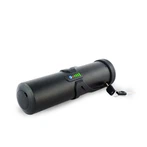
When selecting an electric bike (e-bike) battery, riders are often faced with a choice: 36V or 48V. These two battery types dominate the market, but which one is right for you? The battery's voltage has a direct impact on an e-bike's speed and torque, as well as its overall range and performance. In this detailed comparison, we'll explore the pros and cons of both 36V and 48V batteries, how they perform in different scenarios, and which is the best option depending on your specific needs.
Understanding E-Bike Batteries: Power, Voltage, and Capacity
E-bike batteries are the powerhouse behind your ride, storing energy to drive the motor and assist your pedaling. The two main factors to consider when choosing an e-bike battery are battery power (voltage) and capacity (measured in amp hours or watt hours). The voltage determines the battery's potential power output, while the amp hours indicate how long that power can be sustained.
- 36 volt and 48 volt are the two most common e-bike battery voltages.
- A 36v e-bike battery offers sufficient performance for casual riders, while a 48v e-bike battery provides more power for demanding users.
- Batteries with higher voltage tend to deliver better speed and torque, making them suitable for faster and more powerful rides.

What is a 36V E-Bike Battery?
A 36V e-bike battery is one of the most common choices for riders who primarily use their e-bikes for commuting or casual leisure rides. These batteries are typically paired with a 36V motor, which provides moderate performance, suitable for riding on flat roads or gentle hills.
Pros of 36V E-Bike Batteries:
Cost-Effective: A 36V battery is generally more affordable compared to 48V options. Riders on a budget will find the 36V battery to be a cost-effective solution, especially for shorter commutes and daily rides.
Lightweight: Thanks to their lower voltage, 36V batteries tend to be lighter than 48V e-bike batteries, making your bike easier to maneuver. This is particularly useful for riders who need to carry their bikes upstairs or load them into cars.
Adequate Power for Flat Roads: For riding on flat roads, a 36V battery provides sufficient power output and speed. You can achieve moderate speeds, usually in the range of 15 to 20 mph, depending on the motor and bike configuration.
Cons of 36V E-Bike Batteries:
Limited Power: The lower voltage means less power, which results in reduced speed and torque. If you need to accelerate quickly or climb steep hills, a 36V motor may struggle to provide the necessary power.
Shorter Range: A 36V battery typically offers fewer miles on a single charge compared to a 48V option. If you plan on longer rides, especially at higher speeds, the 36V battery might fall short in terms of range.
Weaker Climbing Ability: Riders who live in hilly areas or regularly need to climb steep inclines may find a 36V e-bike underpowered. While it works well on flat terrain, it may require more effort on challenging paths, even with pedal assist.

What is a 48V E-Bike Battery?
A 48V e-bike battery provides higher power output, making it an excellent choice for riders who demand more performance. Whether you want to reach higher speeds, handle more difficult terrain, or ride longer distances, a 48V battery is designed for these challenges.
Pros of 48V E-Bike Batteries:
- More Power and Speed: A 48 volt battery provides more power output, resulting in faster acceleration and higher top speeds. With a 48V system, you can easily achieve speeds of 25-28 mph or more, depending on your bike's motor.
- Better Climbing Ability: The increased power makes a 48V battery ideal for riders who frequently ride uphill or carry heavy loads, such as on cargo bikes. The extra power allows the motor to deliver more torque, making climbs more manageable without requiring excessive pedaling.
- Longer Range: If you're planning long-distance rides, a 48V e-bike battery will typically offer more miles on a single charge. The higher efficiency of a 48V system means you can cover more ground without needing to recharge as frequently, especially if the battery has a high amp hour rating.
- Extra Power for Heavy Loads: For riders who use their e-bikes for transporting goods or riding with extra weight, the extra power provided by a 48V battery is essential. Cargo bikes and bikes designed for towing trailers benefit greatly from the power boost that a 48V system provides.
Cons of 48V E-Bike Batteries:
- Higher Cost: The main drawback of a 48V battery is its price. These batteries are typically more expensive than their 36V counterparts, making them less accessible for budget-conscious riders.
- Heavier: A 48V e-bike battery is usually larger and heavier due to the additional power it contains. This can affect the overall weight of the bike, making it harder to maneuver or lift when not riding.
- Overkill for Casual Riders: If you mainly use your e-bike for short commutes or rides on flat terrain, you may not need the extra power a 48V system provides. In such cases, a 36 volt battery might be a more practical choice.
Performance Comparison: 36V vs 48V E-Bike Batteries
Speed and Torque
When comparing 36V vs 48V batteries, the difference in speed and torque is noticeable. A 48V e-bike battery allows for higher top speeds, especially on flat roads or when riding downhill. On the other hand, a 36V e-bike may have slower acceleration and a lower top speed, which could be limiting for riders looking for more thrilling rides.
Range
Range is influenced by both voltage and capacity. A 48V battery paired with higher amp hours will generally offer more range, covering more miles on a single charge than a 36V option. However, this depends on riding conditions such as terrain, rider weight, and pedal assist usage.
Climbing Ability
When it comes to climbing hills, the 48V battery shines due to its superior power output and torque. Riders using a 36V motor may find it harder to tackle steep inclines, especially if they are not using pedal assist. For regular urban commutes on flat terrain, a 36V e-bike may suffice, but if hills are part of your route, a 48V option will offer better performance.
Weight and Handling
A 36V battery is lighter and often more compact than a 48V e-bike battery, making it a better choice for riders who prioritize lightweight and easy handling. If you often carry your e-bike or need to store it in small spaces, the lighter weight of the 36V system is advantageous.
Price Comparison: Value for Money
When choosing between a 36V and 48V battery, price is a significant factor. 36V batteries are generally cheaper and more accessible, making them suitable for riders who prioritize affordability. However, if you're looking for better performance, range, and climbing power, the investment in a 48V e-bike battery could provide better long-term value, especially if you need the extra power for your riding conditions.
Which E-Bike Battery is Right for You?
The decision between 36V and 48V batteries depends on your specific needs:
Choose a 36V Battery If:
You ride mostly on flat roads and do not require high speeds or long range.
You prefer a lighter, more affordable option.
Your riding is casual, and you're not tackling steep hills or carrying heavy loads.
Choose a 48V Battery If:
You want more power output and need the ability to ride at higher speeds.
You frequently ride in hilly areas or need more torque for climbs.
You carry heavy loads or use a cargo bike.
You require longer range and more miles on a single charge for extended trips.
Conclusion
Both 36V and 48V e-bike batteries have their strengths and weaknesses, making them suitable for different types of riders. If you're after affordability, light weight, and moderate performance, a 36V e-bike might be the right choice. However, if you need more speed, torque, and power for longer rides or challenging terrain, a 48V e-bike battery will provide the extra power you need. Choose based on your riding style and terrain to get the most out of your e-bike experience.
Get Free Sample of E-Bike Batteries

|
Specification |
|
|
Brand Name |
GEB |
|
Model Number |
Sliver Fish 36V 10Ah,36V 20Ah |
|
Battery Size |
390mm*75mm*110mm |
|
Place of Origin |
China |
|
Weight |
5KG |
|
Warranty |
1 Year |
|
Anode Material |
NCM |
|
OEM/ODM |
Available |
|
Cycle Life |
800-1000 Times |
|
Model Number |
36V 10Ah,15Ah,20Ah |
|
Payment |
Paypal.TT.Western Union |

|
Type: |
Lithium Battery |
|
Model Number: |
hailong battery 48v 20ah |
|
Brand Name: |
GEB |
|
Certifications: |
CE |
|
Dimension: |
378*110*90mm |
|
Weight: |
Approx. 4.5KG |
|
Application: |
E-bike, E-scooter |