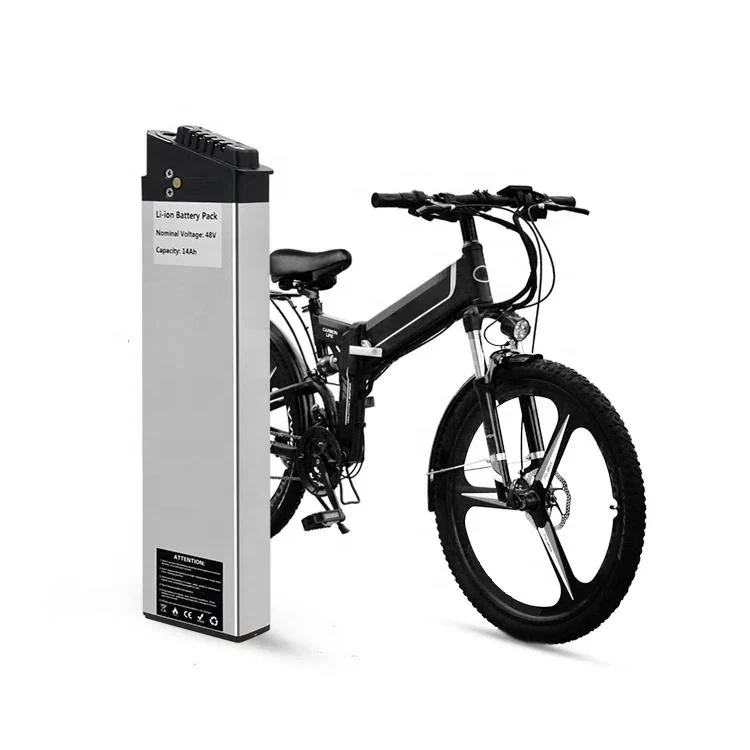
With the popularity of electric bicycles, the sales of electric bicycle batteries are also increasing, especially the conventional 48V electric bicycle batteries, which are the most balanced in use scenarios such as urban commuting. For most electric bicycle users, how to buy and replace electric bicycle batteries has become a problem. In order to help you better solve the problem of battery purchase, in this guide, we will delve into the characteristics of choosing the right 48V battery, and the 48v battery purchase guide near you.
Why Choosing the Right 48V Battery Matters
A 48V battery system provides a sweet spot between torque, speed, and energy efficiency. It delivers stronger hill-climbing power than 36V systems and does so without the increased complexity and cost of higher-voltage systems like 60V or 72V.
But voltage is only one part of the equation. Discharge rate, cell configuration, battery management system (BMS), and motor-controller compatibility are equally important. A mismatch in any of these areas can result in degraded performance, overheating, or even premature battery failure.
The right 48V battery ensures not just sufficient output but sustained stability-something especially critical for riders using their bikes daily or under varied conditions. Advanced BMS features like thermal protection, short-circuit resistance, and real-time cell balancing dramatically reduce the risk of malfunction and improve system reliability.
Where to Find a 48V Ebike Battery Near You
When looking for a replacement or upgrade, purchasing your 48V ebike battery from a reliable, local source adds layers of convenience and technical assurance. Here are the most trusted channels:
1. Local Ebike Dealers and Repair Shops
These are often your most valuable resource. Technicians can evaluate your existing motor system and recommend batteries that match both in form and function. Many offer same-day installation and diagnostic testing, ensuring proper integration with your bike's controller.
2. Authorized Brand Retailers
If your ebike is from a major brand, visiting an authorized service center guarantees you're getting an original or certified compatible battery. These batteries are optimized for your frame's dimensions, connector type, and smart communication protocols.
3. Online Marketplaces (Use With Caution)
While online platforms offer a wide range of options, the quality can vary. Stick to official brand stores or certified sellers. Always check for certifications like UN38.3, CE, or UL, and confirm return and warranty policies in case of issues post-installation.
We often receive support requests from customers who bought low-cost batteries online only to find mismatched connectors or BMS issues. So even when looking for something "nearby," prioritize serviceability and technical validation over proximity alone.
Why High-Quality Batteries Are Worth the Investment
A high-quality battery is not just about energy storage-it's an integrated system built for longevity, safety, and consistent performance. Here's what sets premium batteries apart:
1. Cell Consistency and Performance Stability
Top-tier batteries use high-grade cells, which exhibit low internal resistance, minimal self-discharge, and superior cycle life. These qualities ensure reliable performance, even under high discharge loads or extreme temperatures.
2. Intelligent Battery Management System (BMS)
Advanced BMS units monitor and regulate temperature, charge/discharge current, cell balancing, and fault detection. This system-level intelligence reduces the chance of thermal runaway, overcharging, and voltage irregularities.
3. Manufacturing Precision
Batteries assembled in certified facilities undergo rigorous QC inspections, including vibration, drop, and thermal cycling tests. This guarantees resilience under real-world riding conditions-an often-overlooked but critical factor for riders on rough terrain or urban routes.
4. Warranty and After-Sales Support
Legitimate manufacturers offer transparent warranty terms-typically covering 12 to 24 months-for cell degradation, BMS malfunctions, and other defects. This not only protects your investment but also ensures a reliable support pipeline should issues arise.
Key Factors to Consider Before Purchasing
Before buying, go beyond the basic specs and take a system-wide view. Consider the following:
- Controller Compatibility: Confirm voltage, current, and communication protocol compatibility between the battery and controller (UART, CAN, analog).
- Charger Matching: Ensure voltage and amperage are aligned, and the charger includes safety features like overvoltage and thermal cutoff.
- Daily Mileage Needs: For high-frequency users like delivery riders, choose high-capacity packs (15Ah and above) to reduce charge cycles.
- Water and Vibration Resistance: Opt for batteries with IP ratings (IP54 or higher) and reinforced casing if you frequently ride in wet or off-road environments.
- Mounting Design: Internal, rack-mounted, or frame-integrated-choose based on your bike's configuration and desired ease of battery removal.
A common mistake is selecting a battery based solely on capacity or price. In reality, compatibility and long-term reliability should always take precedence.
48V vs. Other Ebike Battery Voltages: A Practical Comparison
Different voltages offer different riding dynamics. Below is a comparison based on common use cases:
|
Voltage |
Characteristics |
Ideal For |
Limitations |
|
36V |
Low power draw, lower cost |
Light city commuting, student bikes |
Limited torque and hill performance |
|
48V |
Balanced power and efficiency |
Versatile urban riding, mid-range trips |
Slightly higher price; requires matched components |
|
60V+ |
High torque, fast acceleration |
Cargo bikes, high-speed models, hilly terrain |
More complex system, costlier, heavier components |
The 48V system offers the best compromise. It delivers meaningful power for moderate inclines and full-day usage, while remaining cost-effective and easy to maintain. For most urban or suburban riders, 48V hits the ideal performance zone without overcomplicating the system architecture.
Conclusion
48V ebike battery is more than a component-it's the linchpin of your riding experience. Whether you're replacing an old pack or upgrading for better performance, it pays to look beyond voltage and capacity alone. Consider system compatibility, build quality, safety features, and after-sales support when evaluating your options.
As a battery manufacturer, we encourage riders to work with certified dealers and service providers who understand both the electrical and mechanical nuances of ebike systems. A properly selected and maintained 48V battery will offer not just distance-but confidence and durability for the journey ahead.
If you're in search of a reliable 48V ebike battery near you, feel free to consult with us for tailored recommendations, professional installation, or OEM-grade packs that meet the demands of real-world riding. ( sales@gebattery.co )