


Technically, yes - you can use a 72V battery on a 60V motor, but it's not recommended. The reason is that incompatible motor operating voltages and battery voltages can cause motor controller failure, motor overheating, and even battery damage or fire. This is not just to replace a battery for the motor, but also involves the operation of the entire electric bicycle power system. Usually you need to understand the working voltage range defined by the motor manufacturer, and there may be dangers beyond this range.
To this end, as a professional manufacturer of electric bicycle batteries, we will explain the importance of voltage compatibility, what happens when you do not match the Settings, and what are the safer alternatives. Whether you're looking for a do-it-yourself upgrade or a boost to your e-bike's performance, a thorough understanding of the situation will help you avoid costly mistakes and choose the best way forward.
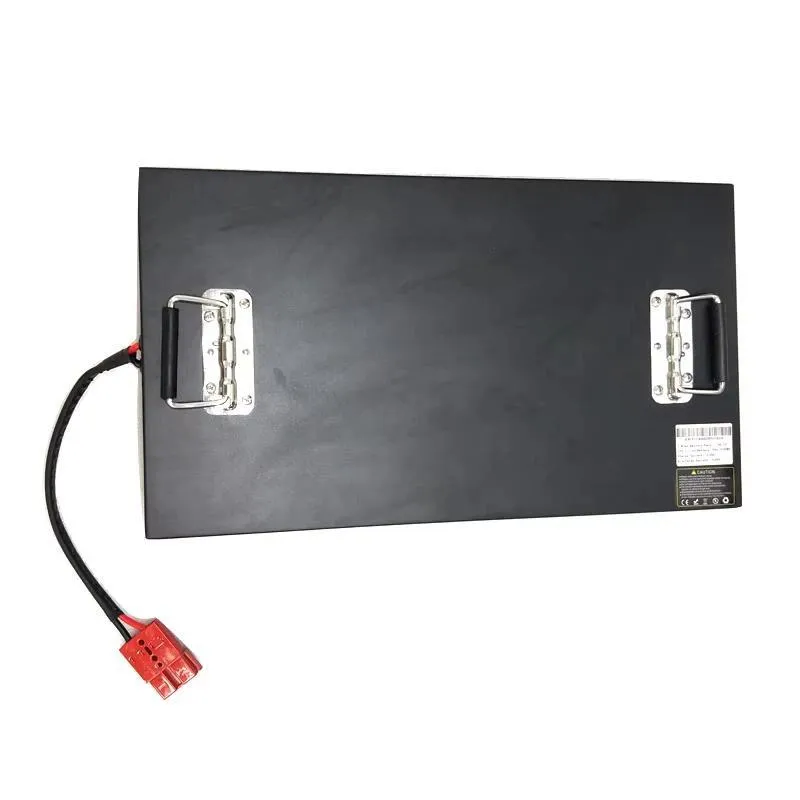
Understanding System Voltage Compatibility
To fully grasp the implications of mismatching voltages, it's important to understand how electric drive systems are built.
The Role of Rated Voltage
A motor's rated voltage (e.g., 60V) is not a suggestion-it's the optimal electrical input it was engineered to handle. This value defines the motor's expected performance parameters, including operating speed, torque efficiency, and thermal limits.
When you supply more voltage than intended, you force the system to operate beyond its designed tolerance, which can yield temporary gains but introduces significant risks.
The Power Equation: Voltage, Current, and Load
The relationship between voltage, current, and power can be expressed by the basic equation:
P = V × I
(Power = Voltage × Current)
By increasing the voltage (V) while the load remains the same, the power output rises-potentially pushing the system beyond its capacity. If the components-especially the controller and motor windings-aren't designed for the increased thermal and electrical stress, failure is a matter of time, not chance.
System Coordination: Battery, Controller, Motor
Think of the system as a three-part chain:
- The battery delivers power;
- The controller regulates voltage and current flow;
- The motor converts electrical energy into motion.
Each part must be compatible not just by voltage labels, but by real-world voltage behavior, such as spike tolerance, thermal dissipation, and control feedback.
A mismatch in just one of these components-especially when operating under stress-can destabilize the entire system.
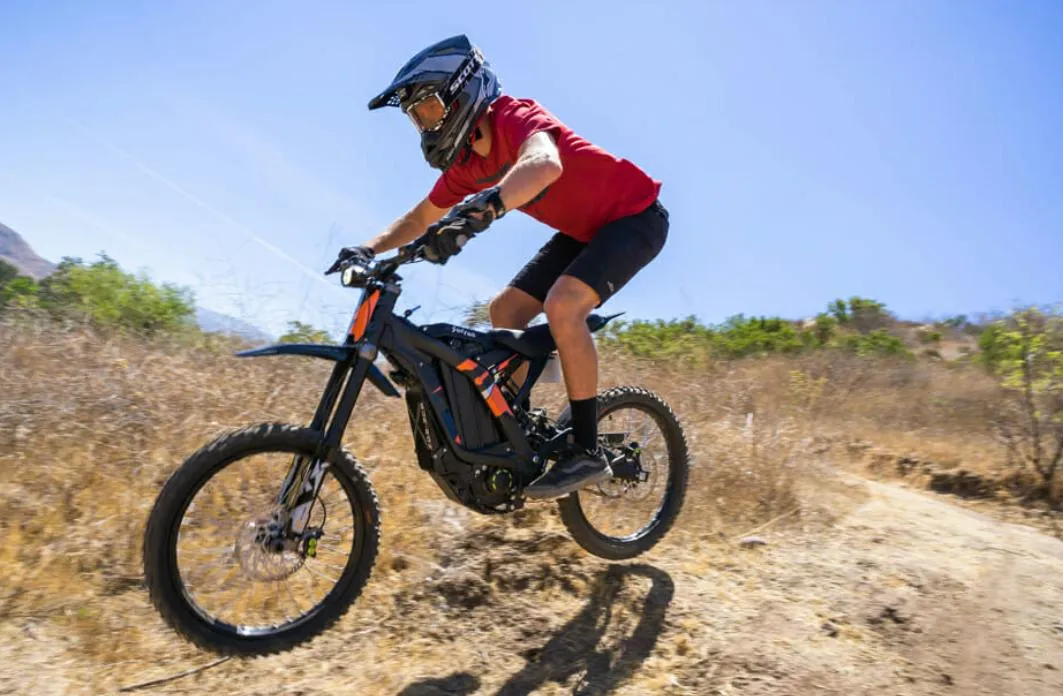
What Happens If You Use a 72V Battery on a 60V Motor?
The appeal of adding a 72V battery is understandable. Technically, it can increase the motor's rotational speed and output torque, since the motor will spin faster when driven by a higher voltage. However, that same benefit comes with steep engineering costs.
Increased Performance, Reduced Control
With a 72V battery, the motor may:
- Deliver higher speeds due to increased RPM;
- Generate more torque (briefly), depending on controller limits;
- Respond more aggressively to throttle input.
But the gains are often short-lived and come at the expense of system longevity. The components begin to operate in a zone where heat builds faster than it can be dissipated, especially in motors not designed for continuous high-voltage use.
Controller Overload and Voltage Protection Triggering
Most 60V controllers have built-in voltage protection thresholds. These are designed to shut down or restrict operation if the voltage is too high, a critical safety measure to prevent damage. A 72V battery will typically exceed this threshold.
In systems where protection is not immediate or absent altogether (common in low-end or modified setups), the controller can overheat, triggering thermal shutdown-or in worst cases, causing MOSFET failure or full electrical burnout.
Battery Management System (BMS) Issues
High-end lithium battery packs include a Battery Management System that monitors voltage, current, and temperature. Introducing a mismatched load can confuse or overburden the BMS, leading to:
- Over-discharge or overcharge protections falsely triggering;
- Forced cutoff during operation;
- Permanent cell damage due to uncontrolled discharge rates.
The risk increases when users swap out lead-acid batteries for lithium packs without recalibrating the controller settings.
The main risks of using a 72V battery on a 60V motor
Understanding the performance implications is only part of the picture. Below are the most critical risks involved in mismatching a 72V battery with a 60V motor system.
1. Motor Damage: Overheating and Insulation Breakdown
Motor windings are coated with insulating varnish that begins to degrade when internal temperatures exceed safe operating limits. Using a 72V battery pushes more current through the motor, accelerating this degradation. Long-term effects include:
- Decreased torque efficiency;
- Irreversible thermal damage;
- Shortened motor lifespan.
2. Controller Failure: Component-Level Overload
The controller's internal components-especially MOSFETs and capacitors-have specific voltage and thermal ratings. Over-volting the controller can result in:
- Immediate shutdown from overvoltage protection;
- Component blowouts if protections are bypassed;
- Loss of throttle control or brake functionality.
Numerous users on Reddit and Endless Sphere forums have reported controllers smoking or failing after attempting a direct 72V battery swap.
3. Battery Hazards: High Voltage Discharge and Fire Risk
Improper use of a 72V battery can trigger:
- Overcurrent events damaging the BMS;
- Overheating due to continuous high discharge;
- Worst-case scenarios like thermal runaway or electrical fires.
These risks are compounded when DIY modifications (e.g., removing limiters, bypassing BMS protections) are involved without adequate safeguards.
Can It Work Temporarily or with Modifications?
From a purely electrical standpoint, yes-it is possible to power a 60V motor using a 72V battery under controlled conditions. However, this typically involves deliberate modification of system parameters and careful engineering precautions. Let's break down the main technical adjustments used by advanced users or hobbyists.
Adjusting Controller Parameters (Voltage Divider Resistors)
Many controllers read battery voltage through a voltage divider circuit. Modifying this circuit-often by replacing one of the voltage-sampling resistors-can trick the controller into "believing" the input voltage remains within its expected range.
This method is not without consequence. While it may delay the triggering of overvoltage protection, it doesn't increase the actual tolerance of internal components like capacitors or transistors. The result is an aesthetic workaround, not a true solution-similar to hiding warning lights on a dashboard while the engine continues to overheat.
Current Limiting and Power Capping
Another workaround is to limit current output to the motor, either through firmware settings or physical current-limiting components. Reducing peak current can:
- Lower thermal stress on the motor windings;
- Reduce the risk of controller overload;
- Create a safety buffer against component failure.
However, this also negates most of the benefits of upgrading to 72V in the first place-particularly the expected torque and acceleration increases.
Replacing the Controller with a Higher-Rated Model
A more robust solution is to upgrade the controller to one explicitly rated for 72V systems. Many high-performance controllers support wide voltage inputs (e.g., 48V to 84V) and include programmable soft start, regenerative braking, and current ramping to protect connected components.
If you're serious about long-term use of a 72V battery, controller replacement is a non-negotiable step. Pairing a high-voltage battery with a controller not designed to manage that energy is a shortcut to failure.
Rewinding the Motor Coils (Advanced Users Only)
In theory, a skilled technician could rewind the stator coils of a 60V motor to accommodate higher voltages. This changes the motor's internal resistance and magnetic characteristics, potentially allowing it to operate safely under 72V conditions.
However, this is highly specialized work. Even small miscalculations in winding turns, gauge, or insulation quality can result in catastrophic failure. It is not recommended for casual users, and rarely justified when commercial 72V motors are readily available.
Summary & Expert Recommendation
So, can you use a 72V battery on a 60V motor? Technically yes-but practically and safely, it's not recommended. The temporary performance boost is often overshadowed by increased wear, thermal overload, and system failure risk.
If you are determined to explore this configuration:
- Only proceed after replacing the controller with one rated for 72V input;
- Ensure the motor has sufficient thermal margin;
- Add protective devices and real-time monitoring tools;
However, for most users-particularly those without advanced electrical experience-the safest and most effective path is to upgrade the entire system to 72V, ensuring all components work in harmony. Long-term durability, charging stability, and user safety will far outweigh the cost and complexity of proper integration.
FAQs
Can a 60V motor run on 72V without damage?
Only if the motor is overbuilt and cooled adequately-but risks remain high without proper system alignment.
What will happen if I connect a higher voltage battery to a lower-rated motor?
You may see temporary performance gains, but long-term use will likely damage the motor, controller, or battery.
Do I need to change my controller for a 72V battery?
Yes. A 60V controller is not designed to handle 72V safely. Overvoltage protection will likely shut it down-or it may fail.
How can I tell if my motor supports 72V?
Check the manufacturer's datasheet. If not available, consult a technician to inspect coil ratings, insulation, and RPM limits.
Is upgrading to 72V worth it?
Yes, but only when done as a complete system upgrade. Partial conversions carry too much risk for minimal gain.
About the Author

We are GEB, a professional lithium battery manufacturer dedicated to the electric bike industry. As the brand of General Electronics Technology Co., LTD., we've been producing high-quality ebike batteries-especially 72V ebike battery solutions-since 2009. Based in Shenzhen, our factory has grown to over 180 employees, with annual sales exceeding $30 million.
As a source battery manufacturer, we eliminate unnecessary middlemen, offering you direct access to factory pricing and guaranteed product quality. Whether you're looking for high-performance 72V lithium battery packs or custom turnkey solutions, we offer complete PACK design, assembly, and supply chain integration to support your project from start to finish. Partner with us to get reliable, cost-effective, and high-efficiency power solutions tailored for your electric mobility needs.


