As a battery specialist who has worked with ebike builders across the US and Europe for more than a decade, I hear the same question every week. Riders want to know if stepping up from a 750W motor to a 1000W motor actually makes the bike faster in real life. The short answer is yes in some ways and not as much as you might expect in others.
Power rating tells you how much electricity the motor can pull. Higher wattage usually means more torque and quicker response, but top speed depends heavily on controller limits, battery voltage, and local rules. We see this every day when we match our GEB batteries to different motor setups. Today I'll walk you through the real differences so
you can decide which one fits your riding.
750W vs 1000W Ebike Motor: Specs at a Glance
Before we talk performance, let's look at the numbers side by side. These come from real motor kits we test with our batteries.
|
Item |
750W Motor |
1000W Motor |
|
Torque |
60–90 Nm |
100–120 Nm |
|
Flat-road top speed |
20–28 mph (Class 3 limit 28) |
28–35+ mph (unrestricted) |
|
0–20 mph acceleration |
12–15 seconds |
8–10 seconds |
|
Weight added |
Lighter frame |
+0.5–1 kg |
|
Range impact |
More efficient baseline |
15–40% shorter |
|
Best terrain |
City streets, moderate hills |
Steep climbs, heavy loads |
|
US street legality |
Class 3 legal in most states |
Often off-road only |
The wattage difference shows up most in torque. That extra pull is what riders feel first when they twist the throttle.
Which One Is Actually Faster? Real-World Speed Test
On flat pavement a 1000W motor pulls ahead. It reaches 28 mph faster and keeps that speed with less effort. In our tests, it hits 20 mph in 8–10 seconds while the 750W needs 12–15 seconds. That gap matters when you stop at every light or pull away from traffic.
Hill climbing tells a clearer story. A 15% grade slows the 750W noticeably. The 1000W holds speed better and climbs without dropping below 12 mph even with a heavier rider. The extra torque simply keeps the wheel turning.
Top speed claims can mislead. Many 750W kits are limited to 28 mph for Class 3 rules. A 1000W kit can go higher on private land or off-road, but once you hit the legal cap the difference shrinks. In daily riding the 1000W still feels quicker because of that stronger acceleration and hill response.
What Really Affects Your Ebike Speed?
Several things decide how fast you actually go. Battery voltage comes first. Both motors often run on 48V or 52V packs. Our GEB high-discharge cells let the 1000W pull full power without voltage sag, so you keep the strong acceleration longer.
Controller programming matters too. Many builders cap top speed to stay legal or save battery. A well-tuned controller with our batteries unlocks more of the 1000W potential.
Weight and heat play a role. The 1000W motor is heavier and runs warmer at full throttle. That extra mass slows initial takeoff a little, but the added torque usually cancels it out. Heat can cut power after long climbs unless you use a battery that handles sustained high current.
Rider effort and terrain finish the picture. On flat city routes the difference is small. On steep trails or with cargo the 1000W pulls ahead clearly.
750W vs 1000W: Battery Drain & Range Impact
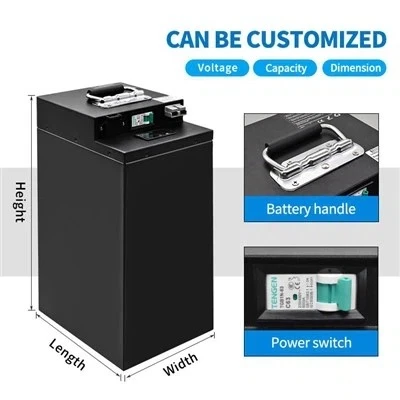
Higher power always costs more energy. With the same battery capacity a 1000W motor drains 15–40% faster than a 750W. You notice it most on long rides or repeated hills.
The 750W gives longer range because it works at lower current. That efficiency matters for commuters who want one charge all day. The 1000W uses more amps for its extra performance, so range drops unless you step up battery size or quality.
This is exactly where our GEB batteries shine. Their high energy density and strong discharge rate let a 1000W setup keep strong output longer without overheating or sudden cutoff. Riders who pair our packs with 1000W motors often recover most of the range they expect to lose.
750W vs 1000W: Legal in US & Europe?
Rules decide where you can actually use the power. In the United States most states follow the three-class system. A 750W motor fits Class 3 and stays street-legal up to 28 mph with pedal assist. A 1000W motor often moves into off-road or moped territory and needs private land or special states.
Europe is stricter. The EN15194 standard limits street-legal bikes to 250W continuous. Both 750W and 1000W setups count as mopeds there. You need registration, insurance, and sometimes a license.
Many motors let you dial back the limit in the controller. Check your local rules before you buy. A quick search for your state or country saves headaches later.
Pros, Cons, and Who Should Choose Which
Here's the practical breakdown.
750W advantages
- Longer range
- Lighter and easier to carry
- Street-legal in most places
- Lower cost
1000W advantages
- Stronger acceleration
- Better hill climbing
- Handles heavy loads
- Feels quicker off the line
Choose the 750W if you ride paved roads, commute daily, and want to stay legal without extra paperwork. It gives enough power for most city and moderate hill use while keeping the battery happy.
Go with the 1000W if you face steep trails, carry cargo, or simply enjoy the thrill of quick starts. Just plan on a stronger battery and check the rules for your riding spots.
Safety and Buying Tips
Match your brakes to the motor. A 1000W setup needs strong hydraulic discs and good pads. Overheating protection in the controller matters too. Our batteries include BMS that cut power safely before damage occurs.
Test ride both if you can. Feel the acceleration and hill response yourself. Then look at battery compatibility. A mismatched pack kills performance fast.
Final Thoughts
The 1000W motor delivers faster acceleration and stronger hill performance. The 750W offers better efficiency and easier legal compliance. Neither is universally "faster" - it depends on where and how you ride.
At GEB we see the same pattern every week. Riders who pick the right motor and pair it with the right Ebike battery get the experience they want. If you tell us your typical routes, load, and local rules, we can recommend the exact battery pack that makes either motor perform at its best.