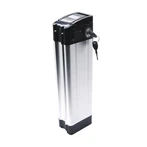
A 72V 2000W electric scooter sits in the high-performance category for adult riders. The setup delivers strong torque and decent top-end potential.
From years of supplying batteries to builders and OEMs in the US and Europe, we see consistent patterns.
Advertised figures often push 50–60 mph. But In practice, most riders land between 35–55 mph. Light riders on flat roads with good setups sometimes touch 50–58 mph. Heavier loads, wind, or hills pull it back to 30–45 mph.
These numbers come from community GPS tests, YouTube runs, and forum reports.

Real-World Top Speed Range
Manufacturers like to list peak speeds under perfect conditions-zero wind, light rider, full charge, flat pavement.
Real riding rarely matches that.
Here is a breakdown based on recent user tests and our own observations with similar powertrains:
|
Rider/Setup Condition |
Typical Top Speed (mph) |
Typical Top Speed (km/h) |
Notes & Examples |
|
Standard rider (~75–90 kg / 165–200 lbs), flat road, no wind |
40–50 |
65–80 |
Most common real-world report; Reddit threads, YouTube GPS clips |
|
Light rider (<75 kg), optimized (low drag, high-amp controller) |
50–58 |
80–93 |
Seen in Copow-style tests at 58 mph; TikTok/YouTube single-rider runs at 52 mph |
|
Heavy rider (>100 kg) or mild incline/ headwind |
30–45 |
48–72 |
Power gets eaten by load and resistance; frequent in community feedback |
|
Extreme setups (upgraded controller, aero tweaks) |
55–60+ |
88–96+ |
Rare for strict 2000W rated; heat and stability become issues fast |
These ranges hold for lithium-powered units.
Lead-acid versions usually sit 10–15% lower due to voltage drop under load.
Key Factors That Actually Set the Speed
Speed is not just about the motor label.
Several pieces have to line up.
Battery voltage stability
A 72V pack starts around 84V when full.
As you draw heavy current, voltage sags.
Good cells with low internal resistance keep sag small-maybe 3–5V under sustained pull.
Cheap packs drop 8–12V quickly, and motor RPM falls with it.
High-discharge lithium packs (like the ones we build at GEB) hold the voltage platform better, so you stay closer to peak speed longer.
Controller and current limit
The controller decides how many amps the motor sees.
A 35–40A limit keeps things safe but caps speed around 45–50 mph.
Push to 50–60A (with proper cooling), and you unlock another 5–10 mph.
Many builders upgrade here.
Rider weight and total load
Add 20–30 kg, and speed drops 5–10 mph in most cases.
A 68 kg rider might hit 50 mph flat out.
At 113 kg, the same scooter often settles around 40 mph.
Aerodynamics and tires
Above 45 mph, wind resistance grows fast-drag force squares with speed.
Boxy off-road frames fight more air than slim designs.
Tire pressure matters too.
Under-inflated or high-rolling-resistance tires steal speed and range.
Terrain, wind, and battery state
Flat, no wind is best.
Any incline or headwind eats power fast.
Low SOC (below 30%) also reduces available voltage and current.
In short, the motor has potential, but the system as a whole decides what you get.

What Real Tests Show
Community data tells the story better than brochures.
Recent 2025–2026 clips and posts show:
- Multiple YouTube GPS runs hit 52 mph on 72V 2000W setups with average riders.
- One test with 75 kg load reached 58 mph on flat ground before wind and heat limited it.
- Heavy rider versions often stabilize at 51 mph.
- Reddit threads report 40–55 mph as the everyday range; anything over 55 usually needs tweaks or risks overheating.
These are not cherry-picked lab numbers.
They come from riders using GPS apps on public or closed roads.
Safety and Legal Reality in the US & Europe (2026)
High speed sounds great until you hit regulations or physics.
US rules
Most states classify electric scooters as low-speed vehicles if capped at 15–20 mph.
Above that, many places treat them as mopeds-requiring registration, license, insurance.
California, for example, sticks to 15 mph on paths; faster operation often needs streets with 25–35 mph limits and right-lane rules.
Riding 50+ mph on public roads can get the scooter impounded or worse.
Europe rules
EU standard caps personal mobility vehicles at 25 km/h (15.5 mph) for road use without extra certification.
Some countries push proposals for 20 km/h factory limits.
Anything faster usually needs moped classification-insurance, plates, helmet laws.
Public roads see strict enforcement on sidewalks and bike lanes.
Practical risks
At 50+ mph, braking distance stretches.
Disc brakes help, but wobble, tire grip, and suspension limits show up quick.
Motor and battery heat buildup can trigger cutoffs or damage.
Gear up-helmet, gloves, pads-and match speed to the road.
How to Get Closer to the Upper End
If you want reliable performance near the top of the range:
- Choose a high-discharge lithium pack with strong voltage hold.
- Match the controller to 50A+ continuous rating.
- Keep tires at proper pressure and use low-drag compounds.
- Avoid constant max throttle-heat kills components fast.
At GEB, we focus on exactly this.
Our 72V high-performance cells deliver consistent discharge without deep sag.
That means the motor gets steady power, speed holds longer, and you avoid the sharp drop-off many builders complain about.
If you are assembling or upgrading a 72V 2000W scooter for US or European riders, reach out.
We can spec a pack that matches your target use.
Final Thoughts
A 72V 2000W electric scooter can deliver real speed-most often 40–50 mph in everyday riding, up to 55–58 mph when everything aligns.
Battery quality sits at the center of reliable performance.
Weak voltage stability turns a fast scooter into an average one halfway through a pull.
If you need a scooter battery that actually supports the power claims instead of undermining them, let's talk. GEB builds for these exact high-discharge applications.