Electric bicycles (e-bikes) have quickly become a popular mode of transportation for many, offering an efficient, eco-friendly, and cost-effective alternative to cars and motorcycles. However, as with any battery-powered device, proper maintenance and storage of the e-bike's lithium battery is crucial to ensuring its longevity and optimal performance. One key factor that directly impacts the lifespan and functionality of an e-bike battery is its storage percentage.
The storage percentage refers to the level of charge that the battery is kept at when not in use. Whether your battery is at full charge, partially charged, or near depletion, each level has distinct effects on the internal chemistry of the battery and can influence its performance over time. By storing your battery within an optimal charge range, you can significantly extend its lifespan, maintain its efficiency, and avoid common issues such as reduced range or premature battery degradation.
As an e-bike owner, it is vital to understand the importance of proper battery storage. Read on to learn the ideal storage percentage, temperature conditions to help you get the most out of your e-bike battery.
Ebike Battery Storage Percentage: Definition and Basics
When discussing the storage percentage of an e-bike battery, we are referring to the amount of charge remaining in the battery when it is not being actively used. Understanding the optimal charge levels for storage is essential in preventing long-term damage to the battery and ensuring it performs at its best when needed.
Ideal Storage Range: 40% to 80%
The general consensus among battery experts is that e-bike batteries should be stored with a charge level between 40% and 80%. This range is considered the most suitable for maintaining the battery's health and ensuring it doesn't degrade prematurely. Charging to 100% or letting the battery discharge fully can create unnecessary stress on the battery's internal components, which may shorten its lifespan over time.
Why Overcharging or Deep Discharging Can Be Harmful
Storing a battery at 100% charge may seem like a good idea for a bike that won't be used for a while, but keeping a battery at full charge for extended periods can lead to chemical instability and increase the risk of overheat or capacity loss. Similarly, allowing the battery to discharge to 0% can lead to an irreversible chemical reaction that reduces its ability to hold charge in the future. Both of these extremes can result in diminished battery performance and a reduced overall lifespan.
Impact on Battery Life: Comparison of Different Storage Percentages
To put things into perspective, let's compare the effects of various storage percentages on a battery's lifespan:
- 100% Charge: Keeping the battery at full charge puts additional strain on its internal components, accelerating wear and tear. Over time, this can lead to a reduced overall cycle life of the battery.
- 40% to 80% Charge (Ideal Range): Storing the battery within this range is optimal, as it balances charge retention and chemical stability, allowing the battery to maintain its capacity over a longer period.
- Below 20% Charge: While storing the battery partially discharged may seem less risky, leaving it too low for long periods can lead to capacity loss and diminished performance.
By adhering to the 40% to 80% storage range, you can ensure that your battery remains in good condition, reducing the likelihood of premature degradation and enhancing its ability to hold a charge when you're ready to ride.
Best Temperature and Environmental Conditions for Battery Storage
When it comes to storing an e-bike battery, temperature plays a critical role in maintaining its efficiency and lifespan. Both extreme heat and extreme cold can have detrimental effects on the battery, potentially reducing its overall performance and even causing permanent damage if not managed properly.
Temperature's Impact on Battery Performance
Lithium-ion batteries, like those used in e-bikes, perform best when stored in moderate temperature conditions. When exposed to extremely cold temperatures (typically below 32°F or 0°C), the battery's ability to retain charge is significantly diminished. In colder conditions, the battery's internal resistance increases, which can reduce the overall range and cause the battery to deplete faster. Additionally, prolonged exposure to freezing temperatures can result in irreversible damage to the battery's internal components, ultimately shortening its lifespan.
On the other hand, extremely hot temperatures (above 86°F or 30°C) can cause the battery to overheat, which may lead to chemical instability and potential leakage or swelling. High temperatures can also accelerate the degradation of the battery's internal structure, decreasing its capacity and affecting overall performance.
Recommended Storage Temperature
The ideal temperature range for storing your e-bike battery is between 50°F (10°C) and 77°F (25°C). This range helps preserve the battery's health by preventing it from experiencing extreme thermal stress, whether from excessive heat or cold. Storing your battery in a climate-controlled indoor area, such as a cool, dry room, is one of the best ways to ensure it remains in optimal condition.
Avoid Storing in Extreme Conditions
If you live in a climate where temperatures fluctuate significantly, it's crucial to store the battery in a temperature-controlled environment. For instance, if you need to store your e-bike during winter, try to avoid leaving it in an unheated garage or shed. Instead, bring the battery inside to store it at room temperature, which will help preserve its charge retention.
Additionally, avoid placing the battery in direct sunlight or near heat sources such as radiators or ovens, as these can lead to overheating, damaging the battery over time. Proper temperature management is crucial for ensuring your battery's longevity and keeping your e-bike in peak condition for as long as possible.
Battery Maintenance for Long-Term Storage
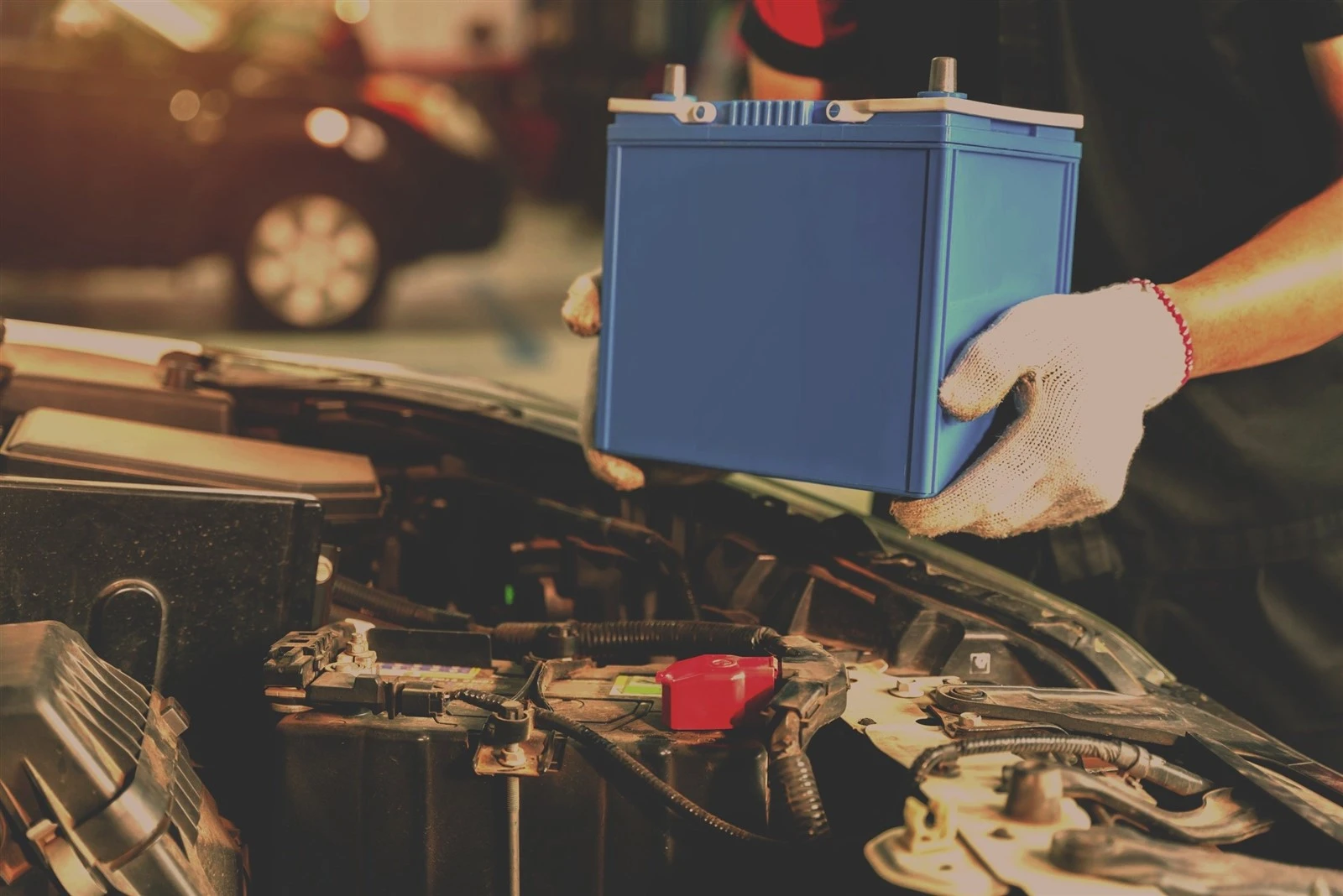
When your e-bike is not in use for an extended period, proper battery maintenance becomes even more crucial to ensure its long-term performance. Storing the battery correctly can prevent unnecessary wear, keep it functional, and maintain its charge capacity when you're ready to use it again.
How to Store Your Ebike Battery During Long-Term Inactivity
If you're planning not to use your e-bike for several weeks or even months, the first step is to avoid leaving the battery at a 100% charge or completely drained. Both extremes can cause irreversible damage. Here's how to handle the battery for long-term storage:
Don't store at full charge: If you plan to store the battery for a long period, aim to keep it at about 50% to 60% of its capacity. Storing the battery at full charge can cause stress on the cells, while discharging it completely can cause permanent damage.
Avoid deep discharge: Never store a battery that is fully discharged or near empty. This could lead to a chemical reaction inside the cells, making the battery incapable of charging properly once used again.
How to Check the Battery's Status and Maintain Optimal Storage Level
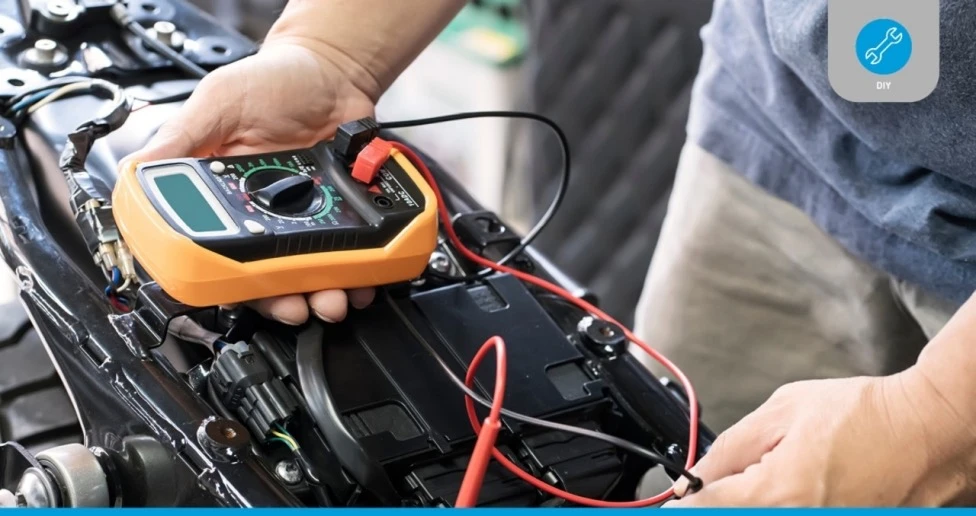
While in storage, it's important to periodically check the battery's charge level. If the battery is left unused for a long time, it may gradually lose charge even if stored correctly. Therefore, check its status every 2-3 months to ensure it remains within the 40%-60% charge range. If it has fallen below 40%, you may need to top it up to prevent the battery from going into a deep discharge state, which could make it unusable.
Maintaining Battery Activity
For batteries that will remain unused for months, it's a good idea to perform a partial charge every few months to keep the internal chemical reactions active. This simple maintenance routine helps prevent the battery from "going dormant," ensuring that when you're ready to use it again, it will perform optimally.
Common Mistakes to Avoid When Storing Your Ebike Battery
Storing your e-bike battery might seem like a straightforward task, but there are common mistakes that many people make. These errors can negatively impact the battery's lifespan and performance. Let's highlight some of the most frequent mistakes and how to avoid them.
Mistake #1: Storing the Battery at Full Charge
As mentioned earlier, keeping your battery at full charge for long periods puts unnecessary strain on the internal cells. This is a common mistake, especially when people think a full charge will be better for long-term storage. However, this practice accelerates chemical aging inside the battery and reduces its overall lifespan.
How to Avoid It:
Ensure that your battery is kept within the recommended 40% to 80% charge range for storage, and avoid charging it fully before putting it away for extended periods.
Mistake #2: Storing the Battery in Extreme Temperatures
Both extreme cold and extreme heat are detrimental to your battery. Cold temperatures can reduce your battery's capacity, while heat accelerates degradation. This mistake often happens when e-bike owners store their batteries in garages or sheds without considering the temperature fluctuations that might occur.
How to Avoid It:
Store your battery in a cool, dry place, ideally in the range of 50°F (10°C) to 77°F (25°C). If you live in an area with freezing winters, it's especially important to bring the battery inside and store it at room temperature to prevent damage from the cold.
Mistake #3: Overcharging
Leaving your battery plugged in long after it's reached 100% can cause overheating and may even shorten the battery's lifespan. This happens most often when users leave their bikes plugged in overnight or during long periods of inactivity.
How to Avoid It:
Unplug the battery once it's fully charged. Many modern e-bike batteries have built-in protection circuits, but it's still best practice to disconnect the charger when not in use to avoid any unnecessary wear.
Battery Maintenance Tips
Maintaining the health of your e-bike battery doesn't have to be complicated. There are simple steps and strategies that can help keep your battery in good condition, even when the weather is cold or when the bike isn't in regular use.
Tip #1: How to Store Your Battery in Cold Weather
Storing batteries in colder climates can be tricky. Cold temperatures can cause internal resistance to increase, which leads to poor performance and reduced range. If you live in a region where the winters are harsh, there are a few precautions to take:
Store the battery indoors: Always remove the battery from the bike and bring it indoors. Store it in a dry, temperature-controlled area such as a basement, storage closet, or heated room.
Warm up the battery before use: If your battery has been stored in a cold area, let it warm up to room temperature before using it. This helps to prevent a sudden spike in internal resistance and ensures better performance.
Tip #2: How to Avoid Overcharging
Overcharging is one of the most damaging habits when it comes to battery longevity. While most modern e-bike batteries have built-in overcharge protection, it's still a good idea to unplug the charger once the battery is fully charged.
Tip #3: Keeping the Battery Active During Long Breaks
If you plan not to use the e-bike for several months, perform a "battery health check" every couple of months. If necessary, top off the charge to keep it within the optimal 50%-60% range. This will prevent the battery from degrading due to deep discharge or lack of activity.

How to Choose a High-Quality Ebike Battery
When selecting an e-bike battery, it's essential to consider several factors to ensure you choose a reliable and high-performance product. A good-quality battery can significantly impact your bike's overall performance, longevity, and efficiency.
Key Considerations When Buying an Ebike Battery:
Brand Reputation
Choosing a reputable brand is one of the best ways to ensure that you are investing in a reliable battery. A strong brand typically guarantees quality materials, advanced technology, and consistent performance. Well-known brands often provide clear information on battery specifications, including capacity, charging cycles, and warranties.
Battery Performance
Look for batteries with optimal capacity (measured in watt-hours, or Wh) to ensure that your e-bike can cover your required range without frequent recharging. High-performance batteries will also maintain their power over time, ensuring consistent power delivery throughout their lifespan. Pay attention to the voltage (V) and amp-hour (Ah) rating as well; higher values generally correspond to better overall performance.
Warranty and After-Sales Support
A good warranty is essential. It provides peace of mind that, if any defects or issues arise, you can get a replacement or repair without additional cost. Typically, quality batteries come with warranties ranging from 1 to 5 years, depending on the brand and capacity. Additionally, reliable after-sales support can help solve potential problems that arise during the battery's lifetime.
Compatibility
Ensure that the battery you choose is compatible with your specific e-bike model. Check the size, voltage, and connector type to ensure proper installation and optimal performance.
How to Determine Battery Quality:
You can judge a battery's quality by examining the above factors. A reputable manufacturer will provide detailed technical specifications and a warranty period that ensures the battery is designed for long-term use. High-quality batteries will also undergo rigorous testing for safety standards, such as overcharging protection, short-circuit prevention, and temperature regulation.
Final Thoughts
In conclusion, proper storage and maintenance of your e-bike battery are key to ensuring its long lifespan and maintaining optimal performance. Here are the key takeaways from this article:
Ideal Storage Charge: Maintain the battery at a 40%-60% charge level for long-term storage. Avoid fully charging or completely discharging the battery.
Temperature Considerations: Store the battery in a cool, dry environment with temperatures between 50°F (10°C) and 77°F (25°C) to prevent damage from extreme temperatures.
Avoid Overcharging: Disconnect the charger once the battery is fully charged to prevent unnecessary stress on the battery.
Regular Check-ups: If you plan not to use the bike for an extended period, periodically check the battery's charge level and top it up as needed.
By following these best practices, you can extend the lifespan of your e-bike battery and ensure reliable performance when you're ready to hit the road.
Why Choose GEB Ebike Batteries: A Reliable, Long-Term Solution
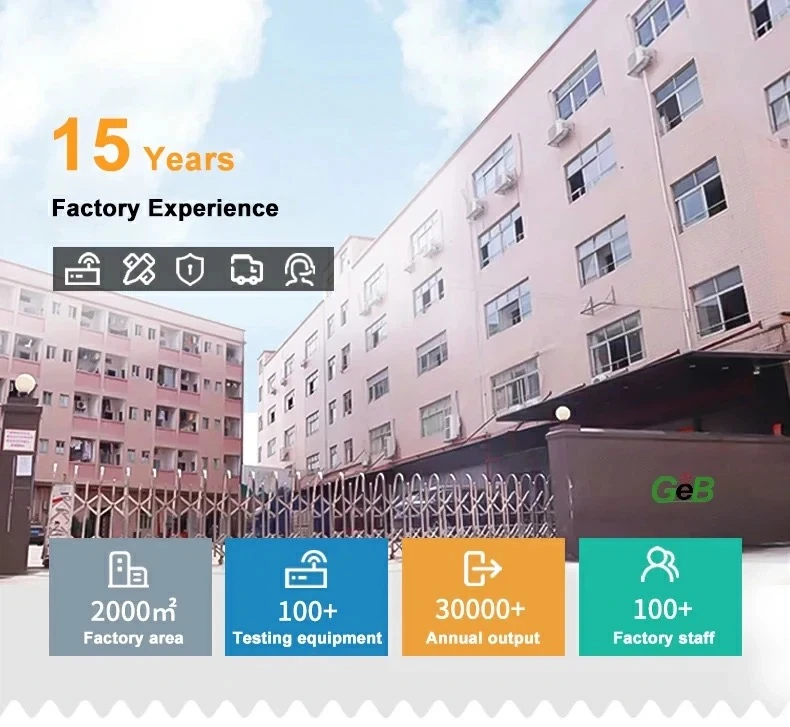
As an industry leader in electric bicycle lithium batteries, GEB has been at the forefront of delivering high-performance, long-lasting battery solutions for over a decade. Here are a few reasons why GEB batteries stand out:
- Quality Assurance: GEB batteries are built with the highest quality materials, ensuring maximum efficiency and longevity. Our advanced battery management systems (BMS) optimize the battery's performance, providing a stable power supply throughout the life of the battery.
- Complete Battery Solutions: We provide a full range of battery solutions, from cells to final assembly, offering customized packs to suit your e-bike's specifications. GEB is committed to offering turnkey solutions that meet the specific needs of our customers, simplifying the entire supply chain and ensuring consistency.
- Stable Supply & After-Sales Service: As a direct-source manufacturer, GEB bypasses middlemen, offering competitive prices while maintaining high-quality standards. Our strong after-sales service ensures that our customers receive continuous support and maintenance for their battery needs.
Whether you are looking to replace an old battery or seeking a complete battery solution for your e-bike project, choosing GEB guarantees a reliable, durable, and high-performance product. ( sales@gebattery.co )