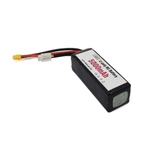
In the ever - evolving world of e - bikes, the battery technology is at the forefront of innovation, playing a crucial role in enhancing the overall performance, range, and user experience. As more and more people around the globe turn to e - bikes for eco - friendly, efficient, and convenient transportation, staying updated on the latest trends in e - bike battery technology is essential for both manufacturers and consumers.
1. Lithium - Ion Battery Advancements
Lithium - ion batteries have long been the standard for e - bikes, but recent developments are taking them to new heights. One of the significant trends is the use of advanced cathode materials. For example, the development of nickel - rich cathodes in lithium - ion batteries, such as NMC (Nickel - Manganese - Cobalt) with a high nickel content, has increased the energy density. This means that e - bike batteries can store more energy in a smaller and lighter package, resulting in longer ranges for e - bike riders.
Moreover, improvements in anode materials are also being made. Silicon - based anodes are showing great potential. Silicon has a much higher theoretical capacity than traditional graphite anodes, which could lead to a substantial increase in battery capacity. However, challenges such as volume expansion during charging and discharging need to be overcome. Manufacturers are actively researching and developing new methods to address these issues, and some promising solutions are emerging.
2. Fast - Charging Technology
Time is of the essence for modern consumers, and the same applies to e - bike charging. Fast - charging technology is becoming a game - changer in the e - bike battery landscape. New charging systems are being developed that can significantly reduce the charging time of e - bike batteries.
Some e - bike batteries now support fast - charging rates of up to 80% in just an hour or so. This is made possible through the optimization of battery chemistry and the development of more efficient chargers. Fast - charging not only provides convenience for daily commuters who may be short on time but also opens up new possibilities for long - distance e - bike travel. Riders can stop at charging stations during breaks and quickly top up their batteries, making multi - day e - bike trips more feasible.
3. Battery Management Systems (BMS)
An intelligent Battery Management System (BMS) is another key trend in e - bike battery technology. A BMS is responsible for monitoring and controlling the battery's performance, ensuring its safety, and maximizing its lifespan.
Modern BMSs are becoming more sophisticated, with features such as real - time monitoring of battery voltage, current, and temperature. They can also balance the charge among individual battery cells, preventing over - charging and under - charging, which are common causes of battery degradation. Additionally, some advanced BMSs are equipped with wireless connectivity, allowing riders to monitor their battery status through a mobile app. This not only provides convenience but also helps riders plan their trips more effectively based on the battery's remaining capacity.
4. Solid - State Batteries on the Horizon
Solid - state batteries are generating a lot of buzz in the battery industry, and they are also expected to make an impact on the e - bike market in the near future. Unlike traditional lithium - ion batteries that use liquid electrolytes, solid - state batteries use solid electrolytes.
This design offers several advantages, including higher energy density, improved safety (since solid electrolytes are less flammable than liquid ones), and potentially longer lifespan. Although solid - state battery technology is still in the development and high - cost phase, continuous research and development efforts are being made to bring down the production cost and make them more accessible for e - bike applications. Once they become more commercially viable, solid - state batteries could revolutionize the e - bike industry, offering even longer ranges and enhanced safety features.
5. Second - Life Applications
As the number of e - bikes on the road continues to grow, so does the need to manage used batteries effectively. Second - life applications for e - bike batteries are emerging as an important trend.
Even when an e - bike battery can no longer provide the required performance for e - bike use, it may still have a significant amount of remaining capacity. These used batteries can be repurposed for other applications, such as energy storage systems for homes or small - scale industrial use. This not only extends the useful life of the batteries but also reduces the environmental impact associated with battery disposal. Some companies are already exploring business models centered around collecting, refurbishing, and repurposing used e - bike batteries, creating a circular economy for battery use.
In conclusion, the e - bike battery technology landscape is full of exciting developments. From advancements in lithium - ion batteries to the emergence of fast - charging, intelligent BMSs, the promise of solid - state batteries, and the growth of second - life applications, staying informed about these trends is crucial for anyone involved in the e - bike industry. Whether you are a manufacturer looking to develop the next - generation e - bikes or a consumer in search of the best - performing e - bike, keeping up with these technological advancements will help you make informed decisions and stay ahead of the curve.