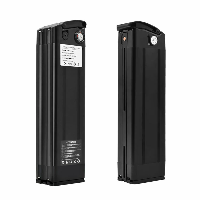
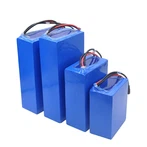
Electric bikes have become increasingly popular due to their convenience, eco-friendliness, and ability to make long commutes easier. A key component of any electric bike is its battery, and one of the most commonly used specifications is the 36V 10Ah electric bike battery. For many riders, understanding the runtime and lifespan of such a battery is essential when choosing the right one for their needs. This guide will cover how long a 36V 10Ah battery can last, the factors affecting its longevity, and tips for extending its life.

What is a 36V 10Ah Electric Bike Battery?
A 36V 10Ah electric bike battery is a type of rechargeable battery used to power electric bicycles. Most of these batteries are lithium-ion batteries, which are favored for their high energy density and lightweight nature compared to lead-acid alternatives. The "36V" refers to the battery's voltage, which indicates the amount of power the battery can deliver, while "10Ah" refers to its capacity, measured in amp hours (Ah), indicating the amount of electric charge it can store.
- Voltage (36V): The 36V rating signifies that the battery can deliver a constant 36 volts of power to the bike's motor. Higher voltage often means better acceleration and the ability to tackle steeper hills. In comparison, a 48V battery may provide even more power, though it is typically heavier and more expensive.
- Capacity (10Ah): The 10Ah rating indicates that the battery can deliver a current of 10 amperes for one hour before being fully discharged. The capacity affects how long the battery can power the bike during use.
Most electric bike batteries today use lithium-ion battery technology due to their higher energy efficiency and longer lifespan compared to lead-acid batteries. Additionally, lithium batteries tend to offer better performance in terms of power output, making them ideal for both urban and off-road riders.

Average Range of a 36V 10Ah Electric Bike Battery
The range of a 36V 10Ah battery-how far it can take you on a single charge-depends on several factors, including the bike's power consumption, riding conditions, and the rider's habits. On average, such a battery can provide a range of 20-40 miles (32-64 km) on a full charge.
Light Riding Conditions: When riding on flat terrain with minimal wind and at moderate speeds (10-15 mph), a 36V 10Ah battery can last up to 40 miles. These conditions allow the motor to work efficiently without drawing excessive power. The watt hours (Wh), calculated by multiplying voltage and amp hours (36V x 10Ah = 360Wh), give an estimate of the total energy capacity of the battery.
Hilly Terrain or Off-road Riding: When riding on steep hills or rough terrain, the motor requires more power, reducing the range to around 20-25 miles. Uphill climbs or uneven surfaces force the battery to deliver more power to maintain speed, leading to faster energy depletion.
Speed and Throttle Use: Higher speeds and continuous use of the throttle significantly reduce the range. For instance, if a rider frequently rides at 20 mph or more, the range may decrease to 25 miles.
It is crucial to remember that these estimates are averages, and actual range may vary. Factors such as battery health, temperature, and the weight carried on the bike also play a role.
Factors Affecting the Battery Life of a 36V 10Ah Electric Bike Battery
To accurately understand how long a 36V 10Ah electric bike battery can last, it's essential to explore the factors that impact its performance and longevity:
1. Battery Type: Lithium-Ion vs. Lead Acid
Lithium-ion batteries dominate the electric bike batteries market due to their high energy density and ability to maintain a consistent output. A lithium battery like a 36V 10Ah generally provides a better range and a longer life cycle than a lead-acid battery of similar size.
While lead-acid batteries are less expensive, they are heavier and have a shorter lifespan, making them less suitable for daily commutes or long-distance rides.
2. Rider Weight and Load
The weight of the rider, along with any additional load such as cargo or accessories, affects the power demand on the motor and, consequently, the battery. A heavier rider or carrying extra weight requires the motor to work harder, drawing more power from the battery and reducing the overall range.
3. Terrain Type
Flat Terrain: Riding on flat surfaces requires less energy from the motor, extending the battery life.
Hilly Terrain: Steeper inclines demand more power to maintain speed, leading to faster battery drain.
4. Riding Speed
The speed at which you ride has a significant impact on the battery's discharge rate. Higher speeds increase aerodynamic drag, making the motor work harder and depleting the battery faster. A 36V 10Ah battery will last longer when riding at 10-15 mph compared to riding at 20-25 mph.
5. Temperature and Weather
Batteries perform optimally at moderate temperatures (around 20-25°C). Extreme cold or heat can reduce a battery's capacity temporarily, resulting in shorter rides. In winter, the battery's chemical reactions slow down, which can reduce its range by up to 30%.
6. Battery Age and Maintenance
Over time, all batteries degrade, losing some of their capacity. A 36V 10Ah battery that has been well-maintained may only lose 10-20% of its capacity over a couple of years. However, poor maintenance, such as frequent fully discharges or improper storage, can accelerate this degradation.
Understanding these factors helps riders manage their expectations and plan their rides more effectively, ensuring they get the best performance out of their 36V 10Ah battery.
Tips to Extend the Life of a 36V 10Ah Battery
Proper care and maintenance can significantly extend the lifespan of a 36V 10Ah electric bike battery. Here are some tips to keep your battery in optimal condition:
1. Avoid Deep Discharges
Try not to let the battery drop below 20-30% charge before recharging. Frequent fully discharges can strain the battery and reduce its overall lifespan. It's better to recharge after shorter rides rather than waiting for the battery to be completely empty.
2. Store in a Cool, Dry Place
When not using your electric bike for an extended period, store the battery in a cool and dry environment, ideally between 10-20°C. Extreme temperatures can damage the battery cells, even when the battery is fully charged.
3. Use the Right Charger
Always use the manufacturer-provided charger or one that matches the battery's specifications. A mismatched charger can overcharge or undercharge the battery, leading to reduced capacity over time.
4. Regularly Clean Battery Contacts
Dust and grime can accumulate on battery contacts, causing inefficiency in power transfer. Clean the contacts with a dry cloth regularly to ensure optimal performance.
5. Avoid Overcharging
While modern chargers often have protection circuits, it's good practice to unplug the battery once it's fully charged. Overcharging can generate heat, which is detrimental to battery health.
Following these steps can help extend the life of your 36V 10Ah electric bike battery, ensuring you get the best return on your investment and reducing the frequency of battery replacements.
FAQs
1. How long does it take to charge a 36V 10Ah battery?
Typically, it takes about 4-6 hours to fully charge a 36V 10Ah battery using a standard 2A charger. Faster chargers are available, but they may reduce battery lifespan if used frequently.
2. Can I use a 36V 10Ah battery on any electric bike?
Most electric bikes with a 36V motor will be compatible with a 36V 10Ah battery. However, always check the manufacturer's specifications to ensure compatibility.
3. How many charging cycles does a 36V 10Ah battery last?
A well-maintained 36V 10Ah battery can last for about 500-800 charging cycles before its capacity significantly decreases. This can translate to 2-4 years of usage depending on how often you ride.
4. What is the difference between a 10Ah and 15Ah battery?
A 15Ah battery has a higher capacity than a 10Ah battery, which means it can provide more range on a single charge. For instance, if a 10Ah battery offers 30 miles of range, a 15Ah battery could potentially provide 45 miles under similar conditions.

Conclusion
In general, a 36V 10Ah electric bike battery can last anywhere from 20 to 40 miles on a single charge, depending on various factors such as terrain, rider weight, and riding speed. Under ideal conditions-such as flat terrain, moderate speeds (10-15 mph), and mild temperatures-you can expect closer to 40 miles. In more demanding scenarios, like riding on hilly terrain or using the throttle heavily, the range may drop to around 20-25 miles per charge.
By understanding these factors and following proper care tips, you can maximize the lifespan and performance of your lithium-ion battery, ensuring you get the best out of your investment. For most daily commutes and casual rides, a 36V 10Ah battery provides a balanced option, offering both sufficient range and power.
If you want a long-lasting 36v 10ah electric bike battery, General Electronics Battery is a good choice for you. Please email us to get a free sample.(sales@gebattery.co)