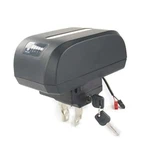
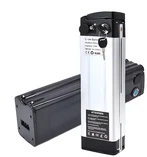
n the field of electric bicycles, the performance and reliability of the battery pack is the key to determining the overall performance of the electric bicycle. The 48V 20Ah electric bicycle battery pack is a more common design at present. As a leading battery manufacturer, this comprehensive guide will explain what a 48V 20Ah battery pack is and explain the entire process of how to make a 48V 20Ah battery pack.

Understanding Battery Basics
Before diving into the specifics of building a battery pack, it's essential to grasp some foundational concepts related to batteries.
Voltage and Capacity
Voltage (V): This is the measure of electrical potential. A higher voltage indicates more power available to drive the motor of your eBike. A 48V battery pack is common for eBikes, offering a good balance of power and efficiency.
Capacity (Ah): Measured in amp-hours (Ah), this figure represents how much energy the battery can store. A 20Ah battery can theoretically supply 20 amps for one hour or 1 amp for 20 hours. The larger the capacity, the longer you can ride your eBike without recharging.
Watt-Hours (Wh)
To better understand the energy capacity of your battery, you can calculate watt-hours (Wh) using the formula:
Wh=V×Ah
For a 48V 20Ah battery pack, the energy capacity would be:
48V×20Ah=960Wh
This means your battery can deliver 960 watts for one hour, or 480 watts for two hours, making it suitable for long-distance rides.
Types of Batteries
The choice of battery chemistry is crucial. While lead-acid batteries are commonly used, they are heavier and less efficient than lithium batteries. Lithium-ion batteries, particularly lithium polymer (LiPo) and lithium iron phosphate (LiFePO4), offer higher energy density, lighter weight, and longer life cycles, making them ideal for eBike applications.
Series and Parallel Connections
When designing your battery pack, understanding how to connect batteries is vital. You will typically use a combination of series and parallel connections.
Series Connection
In a series connection, the positive terminal of one battery is connected to the negative terminal of the next. The voltages add up while the capacity remains the same.
Example: To create a 48V battery pack, you would need to connect 13 cells of a 3.7V lithium-ion battery in series (3.7V x 13 = 48.1V).
Parallel Connection
In a parallel connection, all positive terminals are connected together, and all negative terminals are connected together. The voltage remains the same while the capacity adds up.
Example: To achieve a 20Ah capacity, you could connect two 10Ah cells in parallel.
Choosing Your Configuration
Combining series and parallel connections allows you to customize your battery pack. For instance, you might have 13 cells in series, each 20Ah, to create a powerful and reliable 48V 20Ah battery pack.
Preparing Your Materials
Before you start building, gather the necessary materials and tools:
Materials
- Battery Cells: Choose high-quality lithium-ion cells, ensuring they are rated for your required voltage and capacity.
- Battery Management System (BMS): This component protects the battery from overcharging, deep discharging, and short circuits, ensuring safety and longevity.
- Connectors and Wiring: Use appropriate gauge wire and connectors to handle the current without overheating.
- Heat Shrink Tubing: For insulation and protection.
- Battery Enclosure: To house and protect your battery pack.
- Fuse: For additional safety, prevent excessive current flow.
Tools
- Soldering Iron: For making secure connections.
- Multimeter: To test voltage and continuity.
- Wire Strippers: To prepare your wires.
- Heat Gun: For applying heat shrink tubing.
Designing Your Battery Pack
Now that you have your materials, it's time to design your battery pack. Here are some key considerations:
Layout
Plan the layout of your battery cells. Ensure they fit securely within the enclosure, allowing for airflow to prevent overheating.
Connection Strategy
Decide on your series and parallel configuration. For example, if using 18650 cells, you might arrange them in 13s2p (13 in series, 2 in parallel) for a robust 48V 20Ah setup.
Safety Features
Incorporate safety features into your design. The BMS should be easily accessible for maintenance. Ensure proper fusing to prevent potential overloads.
Step-by-Step Instructions
Step 1: Cell Preparation
Inspect each cell for damage or defects.
Use a multimeter to test the voltage of each cell. Ensure they are closely matched in voltage.
Step 2: Connecting Cells
- Series Connection:
Solder the first cell's positive terminal to the next cell's negative terminal.
Repeat until all cells are connected in series.
- Parallel Connection (if applicable):
Connect all positive terminals together and all negative terminals together for cells in parallel.
Step 3: Installing the BMS
Connect the BMS according to the manufacturer's instructions. Typically, this involves connecting each series cell to the corresponding BMS terminals.
Step 4: Enclosing the Battery Pack
Place the assembled battery pack into the enclosure.
Use heat shrink tubing to cover exposed connections and ensure insulation.
Step 5: Final Testing
Before sealing the enclosure, use a multimeter to check the total voltage of the pack. It should read around 48V.
Test the BMS functionality by simulating a charge and discharge cycle.
Charging and Maintenance
Charging
- Use a charger compatible with your battery's voltage and chemistry. A 48V lithium battery charger should be used to ensure safe charging.
- Monitor the charging process to avoid overcharging. The BMS will help manage this, but it's good practice to keep an eye on it.
Maintenance Tips
- Regular Checks: Periodically check the voltage of individual cells to ensure they remain balanced.
- Temperature Monitoring: Ensure the battery pack does not overheat during operation or charging.
- Cleaning: Keep terminals clean and free of corrosion.
Frequently Asked Questions (FAQ)
1. How long will my 48V 20Ah battery last?
The lifespan of a battery depends on usage, charging habits, and maintenance. Generally, lithium batteries can last 500 to 1000 charge cycles.
2. Is it safe to make my own battery pack?
If done correctly and safely, making your own battery pack can be safe. Always use high-quality components and follow safety guidelines.
3. What if I don't have soldering experience?
Consider practicing soldering on scrap materials or seek help from someone experienced. Proper connections are crucial for safety and performance.
4. Can I use lead-acid batteries instead?
While you can use lead-acid batteries, they are heavier and have lower efficiency compared to lithium batteries, which may affect your eBike's performance.
Conclusion
Creating a 48V 20Ah battery pack is a rewarding project that can significantly enhance your eBike experience. By understanding the fundamental principles, gathering the right materials, and following a systematic approach, you can build a reliable and efficient battery pack tailored to your needs. Always prioritize safety and maintenance to ensure your battery pack serves you well for years to come. Happy riding!

Get 48V 20Ah Electric Bike Battery Pack Free Samples Directly
GEB, a brand under General Electronics Technology Co., LTD, is a leading manufacturer of electric bicycle lithium batteries based in Shenzhen. Established in 2009, our factory employs over 180 people and achieves annual sales exceeding 30 million USD. We specialize in high-end lithium batteries, focusing on lithium iron phosphate technology to ensure safety and performance. Our unique plastic casing enhances insulation and chemical resistance, providing greater safety and improved low-temperature charging capabilities. With a track record of zero safety incidents, GEB has earned a strong reputation among domestic and international clients, making us the reliable choice for safe lithium batteries. Contact us now by email to get free samples(sales@gebattery.co)