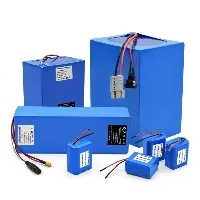
In high-power applications such as electric motorcycles, e-bikes, industrial tools, and renewable energy systems, a 72V battery setup is often preferred for its ability to deliver higher torque, increased efficiency, and reduced transmission losses. Building a 72V system requires not only the right number of batteries but also a precise understanding of how battery configurations affect voltage, capacity, and safety.
Many users assume that achieving 72V is simply a matter of stacking batteries. However, without correct knowledge of series and parallel connections-and the impact of battery specifications such as current rating, internal resistance, and chemistry-the system may underperform or degrade prematurely. Proper voltage and current configuration directly determine performance, longevity, and reliability.
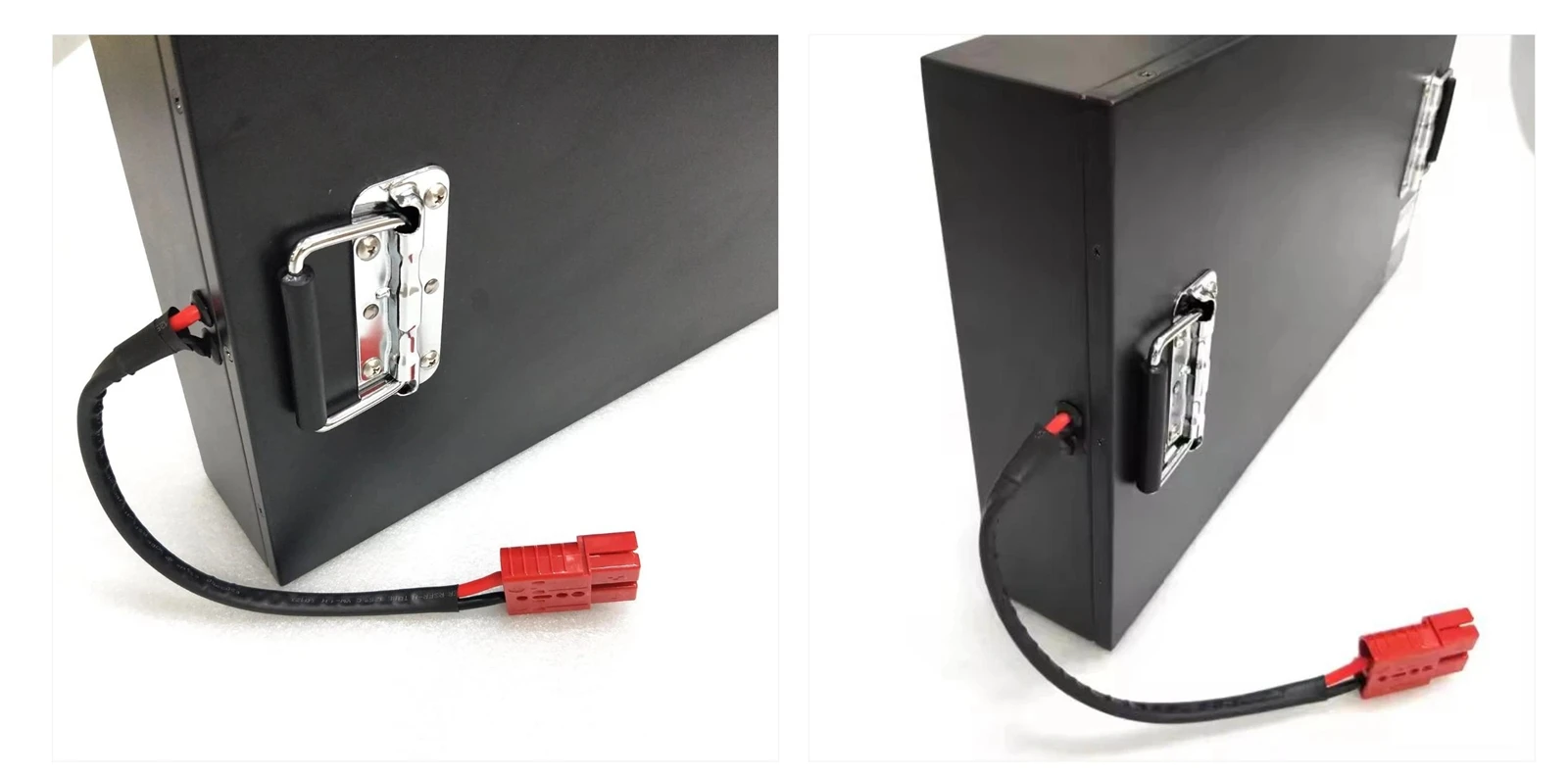
Battery Configuration Fundamentals: Series vs. Parallel
To design a 72V battery pack, one must first understand two fundamental connection methods: series and parallel.
- Series Connection: Connecting the positive terminal of one battery to the negative terminal of the next. In a series, voltages add up, but the amp-hour (Ah) capacity remains the same. This is the method used to increase total system voltage.
- Parallel Connection: Connecting all positive terminals together and all negative terminals together. In this case, voltage stays constant, but capacity (Ah) increases. This method is used when longer run-time or higher current output is required.
Since the goal is to reach 72V, the batteries must be connected in series.
Voltage Options: Comparing 6V and 12V Battery Configurations
There are generally two approaches to assembling a 72V system using off-the-shelf batteries: with 6V or 12V units.
- Using 6V Batteries:
Achieving 72V requires 12 batteries in series (6V × 12 = 72V).
- Using 12V Batteries:
Only 6 batteries in series are required (12V × 6 = 72V).
Practical Comparison
12V Batteries:
- Require fewer units and fewer connections, which reduces complexity and the potential for wiring faults.
- Typically offer higher current discharge capacity, making them more suitable for high-power loads such as motors or inverters.
6V Batteries:
- Often less expensive, especially in deep-cycle lead-acid formats.
- Offer a wider range of options in terms of form factor and replacement flexibility.
- May be better suited for users with access to low-cost or surplus inventory.
The choice between 6V and 12V batteries depends on space constraints, system current requirements, and maintenance preferences. However, for most DIY 72V battery builds, 12V batteries are more common due to their simplicity and better compatibility with electric vehicle systems.
Core Calculation: How Many 12V Batteries to Reach 72V?
The formula is straightforward:
Number of Batteries = Target Voltage ÷ Battery Voltage
For 12V batteries:
72V ÷ 12V = 6 batteries (in series)
Each battery contributes 12 volts, and when connected in series, the total system voltage is the sum of all individual voltages. The overall capacity, however, remains the same as that of a single battery in the chain.
For example, if each 12V battery has a capacity of 20Ah, then the complete 72V pack will be 72V 20Ah-not 72V 120Ah.
This distinction is crucial when estimating system runtime and current delivery. If higher capacity is needed, additional 72V series strings can be connected in parallel to scale up the Ah.
Step-by-Step: How to Connect 6x 12V Batteries in Series
To safely wire six 12V batteries in series for a 72V system, follow these steps:
1. Preparation:
- Ensure all batteries are of the same brand, model, voltage, and capacity.
- Ideally, they should be from the same manufacturing batch to ensure balanced performance and charging behavior.
2. Wiring Sequence:
- Connect the negative (-) terminal of Battery 1 to the positive (+) terminal of Battery 2
- Connect the negative (-) of Battery 2 to the positive (+) of Battery 3
- Continue this process until Battery 6, whose negative (-) terminal will serve as the system negative output
- Battery 1's positive (+) will be the system positive output
3. Final Output:
The voltage measured between the first battery's positive and the last battery's negative should be approximately 72V (or higher if fully charged).
4. Double Check:
- Verify all connections are tight and corrosion-free.
- Use insulated cables of appropriate gauge to handle the expected current load.
Key Considerations When Building a 72V Battery System
While connecting six 12V batteries in series is technically simple, there are several critical precautions to ensure safety, reliability, and long-term performance.
Use Identical Batteries
All six batteries must match in voltage, capacity (Ah), chemistry, brand, and preferably production batch. Variations in internal resistance or state-of-health can lead to imbalanced charging and discharging, which may result in:
- Reduced system lifespan
- Premature degradation of weaker cells
- Risk of thermal runaway in lithium-based systems
Safe Handling Practices
Battery assembly involves significant risk if not performed correctly. Always adhere to the following safety protocols:
- Wear insulated gloves and safety goggles to protect against electric shock and acid exposure (especially for lead-acid batteries)
- Avoid sparks and open flame near the battery setup
- Use proper gauge cables and secure connectors to handle peak current safely
- Ensure terminals are clean, tight, and corrosion-free
Charger Compatibility
A 72V-rated charger is required to charge the battery system efficiently and safely. Moreover:
- Lead-acid batteries require constant current/constant voltage (CC/CV) profiles and temperature compensation
- Lithium-ion or LiFePO₄ batteries require lithium-specific charge algorithms with strict voltage cutoffs and current limitations
BMS for Lithium Systems
If using lithium batteries, integrating a Battery Management System (BMS) is mandatory. A quality BMS ensures:
- Overcharge, over-discharge, and overcurrent protection
- Cell balancing during charge cycles
- Temperature monitoring and fault isolation
Skipping BMS in lithium setups is not only risky but can lead to irreversible damage or safety hazards.
Real-World Applications of 72V Battery Systems
The 72V configuration is widely adopted across several industries due to its optimal balance between voltage level and system complexity.
- Electric Vehicles (Ebike, Scooter, Motorcycle)
Most high-performance e-bikes and electric scooters use 72V 20Ah or 72V 32Ah packs, providing enough voltage to power motors between 2000W and 5000W. This setup ensures fast acceleration, longer range, and better efficiency on inclines.
- Golf Carts
Some golf carts use 4 × 12V batteries and compensate with boost converters to reach 72V, but this introduces additional complexity and power loss. A 6 × 12V direct series connection is generally safer, simpler, and more robust.
- Industrial Equipment & Renewable Storage
In high-demand settings such as off-grid solar systems, warehouse robotics, and backup power systems, 72V setups minimize current flow (compared to 48V or lower systems), reducing cable size and resistive losses-especially critical for long-duration discharges or remote installations.
Technical Parameters and Energy Calculations
Voltage Range
Although nominal voltage is 72V, real-world operation spans a range:
- Fully charged system: 13.5V × 6 = 81V
- Discharge cutoff (low voltage protection): 10.5V × 6 = 63V
This dynamic range must be accounted for when selecting motor controllers, inverters, and charge protection systems.
Energy Capacity
Total energy content is calculated as:
Energy (Wh) = Voltage (V) × Capacity (Ah)
Example:
6 × 12V 100Ah batteries in series → 72V 100Ah = 7200Wh (7.2kWh)
This is the usable energy (subject to system efficiency) that can power a 1000W device for approximately 7.2 hours under ideal conditions.
Conclusion
To build a 72V battery system using 12V units, you need six batteries connected in series. This configuration is straightforward but requires technical discipline in ensuring battery uniformity, correct wiring, and safety protocols.
Beyond reaching 72V, users must also consider:
- Required capacity (Ah) for desired runtime
- Load current, to select appropriate discharge-rated batteries
- Battery chemistry, balancing cost, performance, and lifecycle
- System safety, especially with lithium cells
In high-voltage systems, a minor oversight in design or installation can significantly impact performance or safety. Whether for electric transport or stationary storage, thoughtful planning and high-quality components are non-negotiable.
About the Author
GEB is a brand of General Electronics Technology Co., Ltd. Geb is a leading manufacturer of Ebike lithium batteries in China, focusing on lithium batteries for electric bicycles and providing advanced 72V electric bicycle battery solutions. Founded in 2009 and headquartered in Shenzhen, GEB has grown into a trusted brand in the industry with more than 180 employees and annual sales of more than $30 million.
As a direct source battery manufacturer, GEB eliminates the need for intermediaries, offering competitive first-hand pricing while ensuring high-quality, stable battery supply. With in-house PACK design and assembly capabilities, along with a complete upstream and downstream supply chain, GEB delivers fully customized, turnkey battery solutions from cells to end products. Whether you're building an electric vehicle or developing a large-scale OEM project, GEB provides the technical expertise, manufacturing strength, and supply reliability to meet your performance and cost goals.