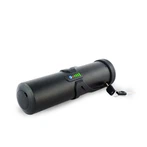
In the rapidly expanding and heavily regulated global e-mobility landscape, the lithium-ion battery is the definitive "beating heart" that dictates a product's entire lifecycle and market viability. For B2B wholesale buyers, commercial fleet operators, and OEM/ODM brands, selecting the right electric bicycle battery manufacturer in 2026 has evolved far beyond a simplistic race to the bottom on pricing. Modern procurement strategy is fundamentally defined by mitigating catastrophic safety risks, fortifying brand reputation, and ensuring long-term, verifiable performance consistency. In an era of stringent international compliance standards-such as UL 2271, CE, and UN38.3-a single thermal runaway event or battery recall can be financially devastating for an emerging e-bike brand. This definitive, expanded guide outlines the critical technical, engineering, and operational benchmarks required when auditing and selecting a high-reliability B2B manufacturing partner.
1. Cell Origins, Chemistry, and Stringent Consistency Control
The core integrity and total energy density of any high-performance e-bike battery pack are entirely rooted in its individual cells. During the due diligence phase, manufacturers must be rigorously audited on their transparent cell traceability and supply chain relationships. While Tier 1 cells from global legacy leaders (such as Panasonic, Samsung, or LG) offer market-proven reliability and high energy density, elite manufacturers also provide premium Grade-A domestic cells that deliver exceptional cycle life with a highly competitive B2B cost structure. Understanding whether the application requires NMC (Nickel Manganese Cobalt) for lightweight range or LFP (Lithium Iron Phosphate) for maximum longevity is a conversation a competent supplier should initiate.
Crucially, procurement teams must investigate the supplier's automated cell sorting, grading, and matching processes. In a complex multi-cell configuration, the "bottleneck effect" dictates that a single underperforming outlier can compromise the entire pack's capacity. It is mandatory to ensure that all cells maintain near-identical static and dynamic internal resistance, voltage platforms, and self-discharge rates before assembly. Maintaining internal resistance tolerances strictly within milliohm levels is essential to prevent localized overheating, mitigate premature capacity degradation, and ensure a perfectly balanced, extended lifecycle for the entire electric bicycle fleet.
2. Advanced BMS (Battery Management System) R&D and IoT Intelligence
A battery pack is only as safe and efficient as the digital intelligence governing it. The Battery Management System (BMS) acts as the central nervous system, serving as the critical final line of defense against overcharging, deep over-discharging, short circuits, and the onset of thermal runaway. By 2026, basic passive hardware protection is no longer sufficient for the B2B market; a top-tier reliable supplier must offer comprehensive, programmable Smart BMS solutions equipped with active balancing technology.
Buyers should prioritize manufacturers with dedicated in-house BMS firmware and hardware R&D teams. Advanced systems must feature integrated, multi-point high-precision temperature sensors and support sophisticated digital communication protocols, primarily CAN bus, RS485, or UART. This architecture allows the battery to communicate seamlessly and instantaneously with the e-bike's motor controller and display. For commercial fleet operators, this connectivity is non-negotiable-enabling remote cloud diagnostics, 24/7 state-of-health (SOH) tracking, predictive maintenance alerts, and OTA (Over-the-Air) firmware updates, all of which significantly reduce long-term operational and warranty expenditures.
3. Cross-Industry Technical Synergy and Advanced Engineering
A premier indicator of a manufacturer's engineering depth and true R&D capability is their established footprint in other highly demanding lithium-ion sectors. Suppliers that engineer customized solutions for extreme-stress B2B applications-specifically high-rate drone batteries and heavy-duty replacement batteries for electric tools-bring a highly advanced, "top-down" standard of quality control to the electric bicycle sector.
This cross-industry technical synergy is invaluable. High-rate drone batteries demand incredibly high burst-discharge capabilities and rigorous weight optimization, while replacement batteries for electric tools require exceptional tolerance to severe mechanical vibration, impact resistance, and sustained high-amp outputs without overheating. When a manufacturer applies these strict, aerospace and industrial-grade engineering principles to e-bike batteries, the result is a product inherently designed to handle peak motor demands during steep climbs, continuous heavy loads, and harsh outdoor environments. This expertise translates directly into superior structural stability, advanced thermal dissipation, and uncompromising power delivery.
4. Production Resiliency, Automation, and Lead Time Scalability
In today's volatile global B2B landscape, upstream supply chain disruptions can paralyze a brand's entire assembly line. Therefore, a physical or virtual audit of the manufacturer's automated production infrastructure is imperative. Look for high-precision automatic laser or spot welding machines that guarantee structurally sound interconnects, alongside dedicated, temperature-controlled aging test facilities. Beyond the physical hardware, verify the implementation of robust Manufacturing Execution Systems (MES) that allow for 100% digital data traceability, from individual cell barcodes tracking all the way through to the final packaged shipment.
Fully automated assembly lines minimize human error, reduce manufacturing bottlenecks, and guarantee absolute batch-to-batch consistency. Furthermore, a transparent, resilient delivery commitment forms the bedrock of a successful B2B partnership. A capable manufacturer provides realistic, data-driven production schedules and proactively maintains strategic raw material inventories (cells, ICs, nickel strips) to buffer against global supply chain fluctuations. This proactive inventory management ensures your wholesale battery shipments arrive exactly when your production cycle demands them, enabling lean, Just-In-Time (JIT) manufacturing for your e-bike facility.
Conclusion
Partnering with the right electric bicycle battery manufacturer requires a strategic vision that looks far beyond the superficial numbers presented on a standard datasheet. By prioritizing stringent, automated cell consistency, intelligent and connected BMS architecture, proven cross-industry manufacturing pedigree in demanding power applications, and highly resilient automated capacity, B2B buyers can secure a decisive and sustainable competitive edge in the highly saturated 2026 market. Make these rigorous criteria the absolute core of your supplier audits and procurement SOPs. Doing so ensures your e-bike brand consistently delivers a premium promise of unrelenting power, extended longevity, and uncompromised safety to the end-user.