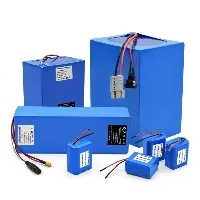
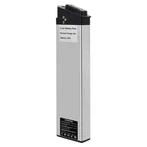
Electric bicycles (E-Bikes) are an ideal choice for urban commuting and short trips, with the battery serving as the "heart" that directly impacts electric bike range, performance, and cost. Between lithium-ion batteries and lead-acid batteries, which is the best electric bike battery? This article compares their technical features, performance differences, and use cases to help you choose the right battery based on your budget and riding needs.

What Are Lithium-Ion Batteries?
Lithium-ion batteries are rechargeable batteries that store and release energy through the movement of lithium ions between positive and negative electrodes. The positive electrode typically uses materials like lithium cobalt oxide or lithium iron phosphate, the negative electrode uses graphite, and the electrolyte is a non-aqueous solution. Known for high energy density, lightweight design, and long lifespan, lithium-ion batteries are widely used in electric bicycles, electric vehicles, and portable electronics.
Features of Lithium-Ion Batteries
- High Energy Density: Stores more energy in the same volume or weight, ideal for lithium battery electric bikes needing long range.
- Lightweight: Weighs only one-third of a lead-acid battery of the same capacity, enhancing portability.
- Fast Charging: Supports 1-2 hour charging, perfect for fast-paced lifestyles.
What Are Lead-Acid Batteries?
Lead-acid batteries store energy through a chemical reaction between lead plates and a sulfuric acid electrolyte. The positive electrode is lead dioxide, the negative is lead, and the electrolyte is a sulfuric acid solution. With mature technology and low cost, lead-acid batteries are commonly used in electric bicycles, car starters, and backup power systems.
Features of Lead-Acid Batteries
- Low Cost: Significantly cheaper upfront, ideal for budget-conscious users.
- High Safety: Chemically stable and less prone to fire or explosion, suitable for safety-focused scenarios.
- Heavier Weight: Lower energy density results in larger, heavier batteries, impacting portability.
Lithium vs. Lead-Acid Batteries: Core Technical Comparison
Understanding the differences between lithium-ion vs. lead-acid batteries is key to choosing the best electric bike battery. Below is a comparison of their core parameters:
|
Parameter |
Lithium-Ion Battery |
Lead-Acid Battery |
|
Weight |
Lightweight (3-10kg, 48V20Ah) |
Heavy (16-30kg, 48V20Ah) |
|
Energy Density |
High (100-200 Wh/kg) |
Low (30-50 Wh/kg) |
|
Range |
50-100 km |
20-40 km |
|
Charging Time |
Fast (1-2 hours) |
Slow (6-12 hours) |
|
Cycle Life |
1000-2000 cycles |
300-500 cycles |
|
Initial Cost |
High ($150-450) |
Low ($60-120) |
Range
Lithium batteries offer about 30% longer range than lead-acid batteries. For example, a 48V20Ah lithium battery can achieve 65 km, while a lead-acid battery reaches about 50 km, making lithium ideal for long rides.
Weight and Portability
Lithium batteries weigh just one-third of lead-acid batteries (3-10 kg vs. 16-30 kg), reducing overall bike weight and meeting China's national standard (total weight ≤55 kg), improving handling and portability.
Charging Efficiency
Lithium batteries charge in 1-2 hours, ideal for delivery riders or commuters; lead-acid batteries require 6-12 hours, needing advance planning.
Lifespan and Cost
Lithium batteries last 1000-2000 cycles (4-5 years), reducing long-term battery maintenance costs; lead-acid batteries last 300-500 cycles (2-3 years), requiring more frequent replacements.
Lithium-Ion Batteries: Synonymous with Lightweight and High Performance
Advantages
- Long Range: Lithium battery electric bikes offer 50-100 km per charge, perfect for long commutes or outdoor adventures.
- Lightweight and Flexible: Weighing 3-10 kg, they're easy to carry, ideal for apartments without elevators or female riders.
- Fast Charging: Fully charges in 1-2 hours, meeting high-frequency use needs.
- Long Lifespan: 1000-2000 cycles, with premium lithium iron phosphate batteries reaching 3000 cycles.
- Low Self-Discharge: Loses only 10% charge after a month of storage, with no memory effect.
Disadvantages
- High Initial Cost: Priced at $150-450, may deter budget-conscious users.
- Environmental Sensitivity: Requires a Battery Management System (BMS) for battery safety.
- Compatibility: Some older electric bikes may not support lithium battery upgrades.
Use Cases
Lithium batteries suit users prioritizing electric bike performance, such as:
- Long-distance commuting (15+ km daily)
- Outdoor adventures or tourism
- High-end electric bike owners
Lead-Acid Batteries: The Budget-Friendly Traditional Choice
Advantages
- Low Cost: 48V lead-acid batteries cost $60-120, about one-third of lithium batteries.
- Mature Technology: Hold ~75% market share, with widespread repair networks and low replacement costs.
- High Safety: Less prone to fire or explosion, ideal for safety-conscious users.
Disadvantages
- Heavy Weight: 16-30 kg, impacting handling and portability.
- Short Range: 20-40 km per charge, suited for short trips.
- Short Lifespan: 300-500 cycles, requiring replacement every 2-3 years.
- Slow Charging: 6-12 hours, less convenient for frequent use.
Use Cases
Lead-acid batteries are ideal for budget-limited or low-frequency users, such as:
- Short commutes (under 10 km daily)
- Neighborhood errands or occasional rides
- Replacing batteries in older electric bikes
Which Battery Is Right for Your Electric Bike?
Choosing the best electric bike battery depends on your riding habits, budget, and use case. Here are scenario-based recommendations:
- High-Frequency Use: Delivery or courier services needing fast charging and long range should choose lithium batteries.
- Budget Constraints: Short trips on a tight budget favor lead-acid batteries.
- Long-Distance Riding: Over 15 km daily rides require lithium batteries' high energy density.
- Safety Priority: Concerned about fire risks? Lead-acid batteries are more stable.
- Hybrid Approach: Limited budget but planning to upgrade? Start with lead-acid and switch to lithium later (check bike compatibility).
Decision Tips
- Riding Distance: Over 15 km daily? Choose lithium. Under 10 km? Lead-acid is sufficient.
- Budget: Weigh initial vs. long-term costs-lithium lasts longer, lead-acid is cheaper upfront.
- Bike Compatibility: Ensure your bike supports lithium battery upgrades.
Check out our lithium and lead-acid battery products to find the perfect fit!
Conclusion: Find Your Ideal Electric Bike Battery
Lithium-ion vs. lead-acid batteries-there's no universal "best," only the best for you:
- Lithium Batteries: Lightweight, long-range, and durable, ideal for frequent long rides, though pricier upfront.
- Lead-Acid Batteries: Affordable and safe, perfect for short trips or budget-conscious users.
Choose a reputable brand to ensure quality and balance performance with safety. Ready to power your electric bike? Browse our battery products now or contact us for expert advice!