For electric bike brands and manufacturers, selecting a reliable battery supplier is critical to ensuring product safety, performance, and market competitiveness. In markets like Europe and North America, stringent regulations (such as EN 15194 standards) and consumer expectations for range and safety place high demands on battery quality. However, many companies fall into traps when choosing a supplier, leading to quality issues, supply chain disruptions, or regulatory non-compliance. This article highlights five common pitfalls in selecting an electric bike battery supplier and offers practical advice to help you find a trustworthy partner that meets international standards.

1. Ignoring International Certifications and Compliance: Substandard Products
The Pitfall
Some suppliers provide falsified or incomplete international certifications, such as CE, UL, or UN38.3, claiming their batteries meet standards like EN 15194 (Europe) or UL 2271 (USA). In reality, these may be low-quality or refurbished batteries, posing significant risks.
Case Study and Impact
A European e-bike brand sourced batteries labeled as "CE-certified," but third-party testing revealed non-compliance, leading to a costly product recall. Non-compliant batteries can cause safety hazards like fires or explosions, violate local regulations, and damage brand reputation.
Solutions
- Verify Certifications: Request third-party lab reports (e.g., from SGS or TÜV) and validate certificate numbers.
- Prioritize Proven Suppliers: Choose suppliers with a track record of exporting to Europe or North America, as their products are more likely to meet international standards.
- Ensure Regulatory Compliance: Confirm batteries adhere to market-specific regulations, such as the EU Battery Directive or UL standards.

2. Capacity and Performance Fraud: Misleading Specifications
The Pitfall
Some suppliers inflate battery capacity (e.g., labeling an 800mAh battery as 2000mAh) or exaggerate cycle life (e.g., claiming 2000 cycles when only 500 are achievable) to attract cost-conscious buyers. Such misrepresentation compromises electric bike performance.
Case Study and Impact
A North American e-bike brand purchased batteries advertised as 2000mAh, but tests showed only 1200mAh, resulting in poor range and customer complaints. Misleading specifications increase warranty costs and erode market competitiveness, especially in range-sensitive markets.
Solutions
- Request Third-Party Test Reports: Demand reports compliant with IEC 62133 standards to verify capacity and cycle life.
- Conduct Sample Testing: Test battery samples in independent labs to confirm capacity, voltage, and performance.
- Avoid Overhyped Claims: Be wary of suppliers touting "ultra-high capacity" or "military-grade" batteries without verifiable data.
3. Inadequate After-Sales Support: Lack of Global Service
The Pitfall
Some suppliers offer limited or unclear warranty terms (e.g., restrictive conditions or short warranty periods) and lack global after-sales support, such as English-language technical assistance or overseas repair networks. This poses challenges for brands needing prompt service.
Case Study and Impact
An Australian e-bike brand faced delays when a supplier without an overseas repair network required faulty batteries to be shipped back for servicing, taking months and leading to customer dissatisfaction. Poor after-sales support increases costs and harms brand trust.
Solutions
- Clarify Warranty Terms: Request written agreements specifying warranty duration (ideally 2+ years), repair response times, and spare battery availability.
- Choose Suppliers with Global Support: Select suppliers offering English-language technical support and international repair networks.
- Inspect at Delivery: Use engineering mode to check battery State of Charge (SOC) deviation, ensuring it's below 5% to confirm quality.
4. Unstable Supply Chain: Delivery and Quality Risks
The Pitfall
Suppliers with limited production capacity or weak logistics may cause delivery delays or inconsistent quality. This is a significant risk for manufacturers relying on stable supply chains, especially during peak seasons or new model launches.
Case Study and Impact
A European e-bike manufacturer missed a summer sales window due to a supplier's delayed shipments, losing significant market share. Supply chain disruptions hinder production schedules and weaken competitiveness.
Solutions
- Evaluate Production and Logistics: Assess the supplier's manufacturing capacity, inventory management, and global logistics network.
- Diversify Suppliers: Avoid reliance on a single supplier by partnering with at least two with proven supply stability.
- Define Contract Terms: Include clear delivery timelines, quality standards, and penalties for breaches in procurement contracts.
5. Limited Technical Expertise: Inability to Meet Customization Needs
The Pitfall
Suppliers lacking advanced R&D or intelligent Battery Management System (BMS) technology may fail to deliver customized solutions, such as high-voltage batteries or specific capacity requirements, limiting innovation for new e-bike models.
Case Study and Impact
A U.S. e-bike brand sourced batteries with outdated BMS technology, increasing thermal runaway risks by 2 seconds compared to standard lithium-ion batteries, compromising safety and market viability. Weak technical capabilities hinder product innovation.
Solutions
- Assess Technical Capabilities: Evaluate the supplier's BMS technology and ability to customize high-voltage lithium-ion systems, requesting technical whitepapers or case studies.
- Choose Export-Experienced Suppliers: Prioritize those with a history of supplying Europe or North America, as they are more likely to meet advanced standards.
- Conduct Factory Audits: Visit production facilities to review manufacturing processes, quality control, and R&D team expertise.
Conclusion
For electric bike brands and manufacturers, selecting a reliable battery supplier is essential for ensuring product safety, market success, and supply chain efficiency. By avoiding pitfalls like certification fraud, capacity misrepresentation, inadequate after-sales support, unstable supply chains, and limited technical expertise, you can make informed procurement decisions. Focus on verifying certifications, testing performance, clarifying warranty terms, assessing supply chain reliability, and evaluating technical capabilities to partner with a supplier that meets international standards.
Why Choose GEB as Your Electric Bike Battery Supplier
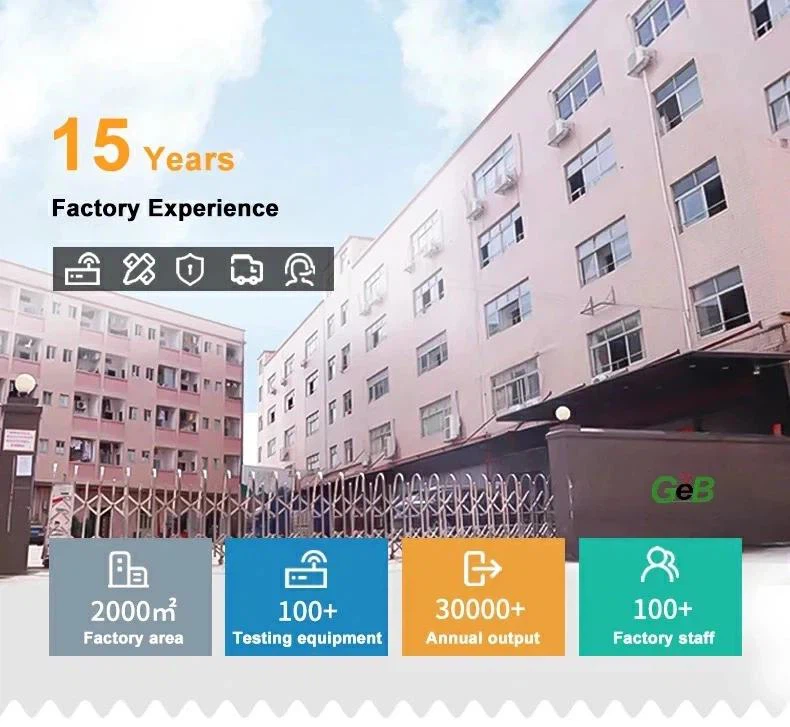
GEB, a brand under General Electronics Technology Co., LTD, specializes in lithium-ion batteries for electric bikes. Since establishing our factory in 2009, we have focused on serving the European and North American markets, delivering high-quality, high-performance, and eco-friendly battery solutions to e-bike brands and manufacturers.
Our electric bike batteries incorporate cutting-edge technologies tailored to meet global standards:
- High-Energy-Density Cell Technology: Utilizing advanced materials and processes, our batteries offer superior energy storage, extending range and performance. This technology is backed by multiple patents in Europe and North America.
- Fast-Charging Technology: Optimized charging algorithms and battery structures enable rapid charging, reducing downtime. Extensively tested in real-world applications across European and North American markets.
- Advanced Battery Management System (BMS): Our BMS precisely monitors battery status, ensuring balanced charging, overcharge/over-discharge protection, and optimized performance for diverse temperature conditions and usage patterns in Europe and North America, extending battery lifespan.
- Battery Thermal Management Technology: Effectively regulates battery temperature to prevent performance degradation in high summer heat or cold winter conditions, ensuring reliability in varied climates.
Choose GEB for innovative, reliable, and compliant battery solutions that empower your electric bike brand to succeed in competitive global markets. Contact us now to get the latest e-bike battery quote. Email: sales@gebattery.co

FAQ
How can I verify an electric bike battery supplier's international certifications?
Request third-party lab reports (e.g., SGS, TÜV) and validate certificate numbers. Prioritize suppliers with export experience to Europe or North America.
How do I avoid battery capacity misrepresentation?
Demand IEC 62133-compliant test reports and conduct independent sample testing to verify capacity and cycle life.
How can I ensure a supplier's global supply chain reliability?
Assess production capacity, inventory management, and logistics networks. Include clear delivery terms in contracts and diversify suppliers to mitigate risks.