In the rapidly evolving world of energy storage and electric vehicles, choosing the right battery type is crucial. Among the most prominent contenders are ternary lithium batteries, specifically NCM (Nickel Cobalt Manganese) and NCA (Nickel Cobalt Aluminum), and lithium iron phosphate batteries (LFP). Each of these battery chemistries has unique characteristics that cater to different needs and applications. This article aims to provide a comprehensive comparison of these two types of batteries, helping you make an informed choice based on your specific requirements.

Understanding the Basics
Ternary Lithium Batteries (NCM/NCA)
Ternary lithium batteries are named for their composition, which includes nickel, cobalt, and manganese (NCM) or nickel, cobalt, and aluminum (NCA). These batteries are known for their high energy density, making them ideal for applications where space and weight are critical, such as electric vehicles (EVs) and portable electronics.
Lithium Iron Phosphate Batteries (LFP)
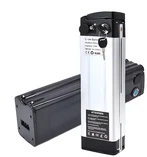
LFP batteries utilize lithium iron phosphate as the cathode material. They are recognized for their long cycle life, thermal stability, and safety, making them popular in applications that prioritize durability and safety, like stationary energy storage and some electric vehicles. Our company (GEB) has been focusing on the development of high-end safe lithium batteries, adhering to the technical route of LFP batteries and never changing. There has never been a safety accident caused by our batteries, which won the reputation of customers at home and abroad, choosing GEB is to choose safe lithium batteries.
If you are looking for a quality lithium iron phosphate batteries manufacturer, please contact us by email (sales@gebattery.co)

Performance Comparison
Energy Density
When it comes to energy density, ternary lithium batteries typically outperform LFP batteries. NCM batteries can achieve energy densities of around 150-250 Wh/kg, while LFP batteries usually range from 90-160 Wh/kg. This means that NCM/NCA batteries can store more energy in a smaller and lighter package, which is critical for applications like electric cars that require longer ranges. However, LFP batteries offer other advantages that make them an excellent choice for electric bicycles.
Lifespan and Cycle Stability
LFP batteries shine in terms of service life. They often support more than 2,000 charge discharge cycles, compared to around 1,500 cycles for ternary lithium batteries. This makes LFP batteries a great choice for applications that demand longevity and minimal maintenance, like home energy storage systems and electric bicycles, where users prioritize reliability.
Safety
Safety is another significant differentiator. LFP batteries have excellent temperature performance, meaning they are less likely to overheat or experience thermal runaway, even under extreme conditions. At our company, we emphasize these safety features, ensuring that our electric bicycle batteries perform reliably across a wide temperature range. While ternary lithium batteries require more sophisticated management systems to mitigate the risks of thermal runaway, LFP batteries provide peace of mind for both manufacturers and users.

Application Scenarios
Electric Vehicles
In the EV market, ternary lithium batteries are commonly used due to their higher energy density, allowing for longer driving ranges. Brands like Tesla often utilize these batteries for their vehicles. Conversely, LFP batteries are increasingly being adopted in lower-cost EVs, particularly in China, where manufacturers like BYD are using them to balance performance and safety.
For electric bicycles, LFP batteries are particularly well-suited. Their robustness and long cycle life make them ideal for daily commutes and long-distance rides, ensuring that riders can rely on their batteries for extended periods without frequent replacements.
Energy Storage
For stationary energy storage, LFP batteries are often the go-to choice due to their long lifespan and safety features. They are ideal for renewable energy applications, such as solar energy storage systems, where durability is paramount.
Environmental Impact
Both battery types have different environmental footprints. The production of ternary lithium batteries requires mining raw materials such as nickel, cobalt, and manganese, which can have negative environmental and ethical implications. In contrast, LFP batteries are considered more environmentally friendly as they do not contain cobalt and are generally easier to recycle. At our company, we are committed to sustainable practices and responsible sourcing of materials, ensuring that our LFP batteries have a minimal environmental impact.

User Feedback and Real-World Experiences
User experiences can vary significantly depending on the application. Many EV owners prefer ternary lithium batteries for their performance and range, while users of stationary storage systems often favor LFP batteries for their reliability and safety. Feedback from electric bicycle users highlights the durability and safety of LFP batteries, as riders appreciate the peace of mind that comes with using our products in various riding conditions.

Choosing the Right Battery for Your Needs
When deciding between ternary lithium batteries (NCM/NCA) and lithium iron phosphate batteries (LFP), consider the following factors:
Application: What is the primary use? If it's for an electric vehicle, ternary lithium batteries might be preferable. For electric bicycles or stationary storage, LFP could be the better option.
Safety and Longevity: If safety and longevity are paramount, especially for home energy systems or daily commuting, LFP is likely the better choice.
Cost vs. Performance: Assess your budget against the performance needs. Ternary lithium batteries often come at a higher cost, but may offer better performance for specific applications.
Conclusion
Ternary lithium batteries (NCM/NCA) and lithium iron phosphate batteries (LFP) both have unique advantages and applications. Your choice will largely depend on your specific needs, and if you're looking for a safe electric bicycle battery, General Electronics Battery is a good choice for you. The GEB brand belongs to General Electronic Technology Co., LTD., which is a manufacturer specializing in lithium batteries for electric bicycles. As a source cell manufacturer, GEB deals directly with customers, bypassing middlemen and PACK factories to provide quality cells and stable supply. The company has comprehensive PACK design and assembly capabilities, has a complete supply chain, and can provide turnkey project solutions from cell to end product, helping customers save costs and streamline workflows. Compared with other large cell manufacturers, GEB is a non-government-owned enterprise, the service is more detailed, especially suitable for small projects.