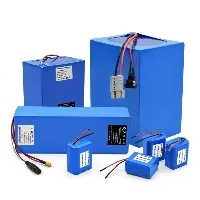
When it comes to selecting the right battery for your electric bike, two critical terms often surface: Watt Hours (Wh) and Amp Hours (Ah). Understanding these specifications is crucial for ensuring you choose a battery that meets your needs, whether you're a casual rider, a serious enthusiast, or a procurement specialist. In this guide, we'll dive deep into what these terms mean, how they relate to each other, and what you should consider when selecting an e-bike battery.

What are Watt Hours (Wh)?
Watt Hours (Wh) are a measurement of energy capacity. They indicate how much power a battery can deliver over a period of time. Simply put, if a battery has a capacity of 100 Wh, it can provide 100 watts of power for one hour. This makes it easier to understand how long your e-bike can run on a single charge.
Calculation of Watt Hours
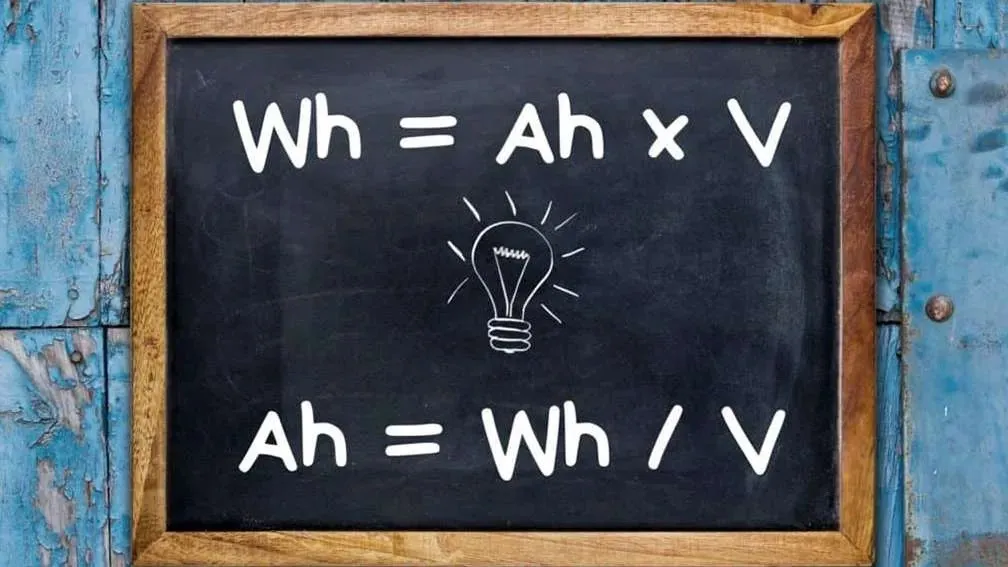
To calculate Watt Hours, you can use the formula:
Wh=Ah×V
Where:
- Ah = Amp Hours
- V = Nominal Voltage of the battery
For example, if you have a battery rated at 10 Ah and 36 V, the calculation would be:
10Ah×36V=360Wh
This means your battery can theoretically power a 360-watt load for one hour, providing a clear idea of its total energy capacity.
Example and Real-World Impact
For riders, understanding Wh is essential because it directly influences how far you can travel on a single charge. A battery with a higher Wh rating typically allows for longer distances. For instance, if you compare two batteries with Wh ratings of 360 Wh and 500 Wh, the latter can potentially provide a longer range, depending on the power consumption of your e-bike.
What are Amp Hours (Ah)?
Amp Hours (Ah) represent the amount of current a battery can deliver over a specific number of hours. More precisely, it defines how many amps can flow from the battery over that time. A battery rated at 10 Ah can deliver 10 amps for one hour or 5 amps for two hours.
Calculation of Amp Hours
The concept of Ah is straightforward, but it's vital to grasp its implications. For e-bike batteries, a higher Ah rating indicates that the battery can sustain a higher power draw for a longer period of time.
Example and Application
If your e-bike's motor consumes 15 amps, a 10 Ah battery would run out of power in about 40 minutes. In contrast, a 20 Ah battery would last approximately 80 minutes under the same conditions. Thus, understanding Ah helps in estimating how long your e-bike will operate before needing a recharge.
The Relationship Between Wh and Ah
Understanding how Wh and Ah relate is crucial for e-bike battery selection. As mentioned earlier, the formula Wh=Ah×V shows that both parameters are interconnected.
Converting Watt Hours to Amp Hours
If you know your battery's voltage, you can easily engage in converting Watt Hours to Amp Hours. For instance, if you have a battery with a voltage of 48 V and an Ah rating of 20 Ah:
20Ah×48V=960Wh
Conversely, if you have a battery rated at 960 Wh and a voltage of 48 V, you can find the Ah rating:
Ah = 960Wh / 48V = 20Ah
This relationship allows consumers to make informed decisions based on their riding habits and the performance they expect from their e-bike.

Choosing the Right Battery Specification
When it comes to selecting the right battery for your electric bike, consider the following:
Intended Use: Determine the primary purpose of your e-bike. Are you using it for daily commuting, mountain biking, or long-distance touring? Each application may require different specifications.
Wh and Ah Ratings: Look for a balance between Wh and Ah. A higher Wh rating generally means a longer range, while a higher Ah rating can sustain higher power draws for longer periods of time. For example, a 100 Ah battery could be ideal for high-demand scenarios.
Battery Type: Different battery technologies, such as lithium batteries, offer varying performance characteristics. LiFePO4 batteries, for example, have excellent thermal stability and a longer cycle life but may have lower energy density compared to other lithium-ion chemistries.
Voltage Compatibility: Ensure that the battery's voltage matches your e-bike's motor requirements. For instance, a standard 12V battery may be used in various applications, but using a battery with the correct nominal voltage is essential for optimal performance.
Manufacturer Specifications: Always refer to the manufacturer's specifications for detailed information on the battery's performance and compatibility. Pay attention to discharge rates as they affect the performance during heavy use.
GEB , a brand of General Electronics Technology Co., LTD, specializes in electric bicycle lithium batteries. Established in 2009 in Shenzhen, GEB has gained global recognition in the lithium battery industry. With over 180 employees, our annual sales exceed $30 million, positioning us as industry leaders.
If you want to customize and purchase safe and high-quality electric bicycle batteries, please contact us by email(sales@gebattery.co)