Electric bicycles are becoming more and more popular in urban travel because of their environmental protection and convenient characteristics. Although these e-bikes have a standard speed limit of up to 25 kilometers per hour, their range is impressive. In the field of electric bicycles, 48V batteries have become the key to improving the driving range because of their advantages in power output and energy density. Compared to 36V or 24V systems, 48V batteries have a higher voltage, so they can provide stronger power output and higher energy conversion efficiency. This is mainly reflected in stronger motor torque, lower current requirements to reduce energy loss, and the use of high energy density cells, allowing the battery to store more energy for the same volume and weight, thereby improving overall battery performance. So how far is the maximum range of a 48V battery? And how can we improve the range of e-bikes? This article will explore this topic in depth.
The merchant's theoretical voyage is not equal to the actual voyage
Before the electric bicycle leaves the factory, the theoretical data of endurance will be provided by the manufacturer. For example, many manufacturers claim that their 48V battery electric bicycles can achieve a range of hundreds of kilometers or even 200 kilometers on a full charge. That may surprise many consumers. What is not stated, however, is that these data are often based on testing under ideal conditions. For example, when manufacturers test battery life, it is often carried out in the case of light load, flat road and appropriate temperature, and in the actual riding, the endurance of electric bicycles is often affected by factors such as load, riding speed, road conditions and temperature. Therefore, it is actually unlikely that we can achieve the range of electric bicycle manufacturers in daily use.
For example, in our daily use scenario, the weight of an adult is usually more than 100 pounds, coupled with occasionally speeding up our riding speed because of the road conditions are complex or the temperature is low, the actual battery life will be significantly reduced, the maximum range of 48V battery may only achieve about 60 kilometers of full battery range. Therefore, when buying an electric bicycle, it is recommended to understand the actual range of an electric bicycle as a comprehensive consideration in purchasing decisions.
The actual maximum range of a 48V battery for an electric bicycle
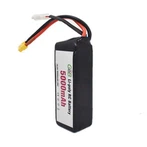
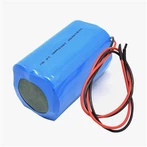
According to the standard, the battery voltage of electric bicycles usually cannot exceed 48V, the total weight of the vehicle does not exceed 55kg, and the speed limit is 25 km/h. These standards mean that e-bike manufacturers have strict limits on the size and weight of the battery, which means that the maximum range of the e-bike is limited. In the early days of the development of electric bicycles, most of them were suitable for lead-acid batteries. Although the lead-acid battery has a large capacity, it is large in volume and weight and is not suitable for modern electric bicycles. As a result, most e-bikes now use lithium batteries. Lithium batteries are not only small and light, but also provide a long battery life. For example, GEB's Hailong Battery 48v 20ah electric bicycle battery can usually achieve a range of 70-100 km on a full charge, while a 48V 26Ah lithium battery can reach 100-120 km. This allows e-bikes to provide longer riding distances while maintaining standard requirements.
Factors affecting endurance
The range of an electric bicycle is affected by a number of factors, including:
- Battery capacity: The greater the capacity, the longer the range. Larger capacity means larger and heavier batteries.
- Battery age: Battery aging will reduce the battery life, using the electric bicycle battery for too long will generate unnecessary internal energy consumption and reduce the battery life.
- Load: Excessive load will reduce endurance
- Steep roads: Uphill or bumpy roads will cause the e-bike to consume more power, resulting in less range.
- Excessive speed: Faster speed means more power needs to be consumed.
- Wind and other resistance: riding against the wind will also increase the load of the electric bicycle, thus increasing the consumption of the battery.
Tips to extend battery life
To ensure the long life of electric bicycle batteries, care and maintenance are essential. Here are some tips for extending battery life:
- Keep the battery charged: Avoid leaving the battery empty for a long time and charge it at least once a month.
- Use the right charger: Only use the charger recommended by the manufacturer to prevent overcharging.
- Storage conditions: Store the battery in a cool and dry place to avoid extreme temperatures.
- Regular inspection: Check the status of the battery and cable and repair any damage in a timely manner.
- Avoid deep discharge: Keep the charge above 20% to extend the battery life.
- Clean the battery: Wipe the battery with a damp cloth to prevent dust accumulation.
- Choose a more quality guaranteed electric bicycle battery brand: Choose a high-quality E-bike Battery Manufacturers to get a more quality guaranteed product.
GEB (General Electronics Battery) is a professional electric bicycle lithium battery manufacturer. The 48v Ebike Battery we produce have a large capacity and can achieve a driving range of hundreds of kilometers. In addition, the bicycle batteries we produce have a long service life, support fast charging, and the built-in BMS can protect the battery from abnormal problems such as overcharging and excessive discharge. Most importantly, we have a comprehensive cooperation system that can tailor your electric bicycle solution.