Electric bikes (e-bikes) have transformed personal transportation by offering an eco-friendly and efficient commuting solution. As battery technology advances, solid-state batteries are emerging as a promising alternative to traditional lithium-ion batteries. But what exactly is a solid-state battery, and how does it compare to the conventional lithium battery? Let's explore this exciting development in electric vehicle (EV) technology.

What is a Solid-State Battery?
A solid-state battery represents a significant leap forward from traditional lithium-ion batteries, utilizing solid electrolytes rather than the liquid or gel electrolytes found in older battery types. This innovative technology offers several benefits over conventional battery systems.
Key Components of Solid-State Batteries:
- Solid Electrolyte: Unlike liquid electrolytes, solid electrolytes are non-flammable, which enhances safety by reducing risks such as leakage or catching fire. This characteristic makes them particularly valuable in high-performance applications like e-bikes.
- Anode and Cathode Materials: Solid-state batteries often use advanced materials for the anode and cathode, contributing to their superior energy density and overall performance.
By replacing liquid or gel electrolytes, solid-state technology not only improves safety but also provides a higher energy density, which is crucial for extending the range of electric bikes.

How Does a Solid-State Battery Work?
Solid-state batteries function on similar principles to traditional batteries but with distinct advantages due to their solid electrolyte. Here's how they operate:
Ion Movement: In a solid-state battery, lithium ions move through a solid electrolyte, which is more stable and efficient compared to liquid or gel electrolytes. This stability helps in avoiding issues like dendrite formation that can occur in liquid-based systems.
Energy Density: The use of solid electrolytes allows for the incorporation of a lithium metal anode, which can significantly boost the battery's energy density. This means that e-bikes equipped with solid-state batteries can achieve longer ranges with less weight, a key advantage over conventional lithium-ion batteries.
Temperature Resilience: Solid-state batteries offer better performance across a wider temperature range. This characteristic ensures reliable operation in various environmental conditions, from hot summer days to cold winter rides.

Advantages of Solid-State Batteries for E-Bikes
Solid-state batteries bring several advantages over traditional lithium-ion batteries, particularly in the context of e-bike applications:
Enhanced Safety: The solid electrolyte used in solid-state batteries minimizes the risk of leakage and thermal runaway, which can lead to dangerous situations such as batteries catching fire. This is a significant improvement over conventional lithium-ion batteries, which can be prone to such hazards.
Longer Lifespan: Solid-state batteries generally offer a longer lifespan with more charge and discharge cycles compared to their lithium-ion counterparts. This durability ensures that e-bikes can benefit from extended battery life and fewer replacements.
Higher Energy Density: Solid-state batteries can deliver superior energy density, allowing for higher capacity in a more compact form. This means that e-bikes can achieve greater ranges and faster charge times, enhancing the overall riding experience.
Faster Charging Capabilities: One of the standout features of solid-state batteries is their faster charging capabilities. With advancements in solid-state technology, charging times can be significantly reduced, potentially allowing an e-bike battery to reach full charge in as little as 20 minutes.
Wider Operating Temperature Range: Solid-state batteries perform well in extreme temperatures, unlike traditional lithium-ion batteries that may suffer from reduced performance in very cold or hot environments.
Environmental Benefits: The solid-state approach reduces the reliance on hazardous materials and contributes to a more sustainable battery technology. This aligns with the broader goals of reducing the environmental impact of electric vehicles.
Improved Durability: Solid-state batteries are more resilient to physical stress and damage, making them ideal for rugged applications like e-bikes used in varied terrains.
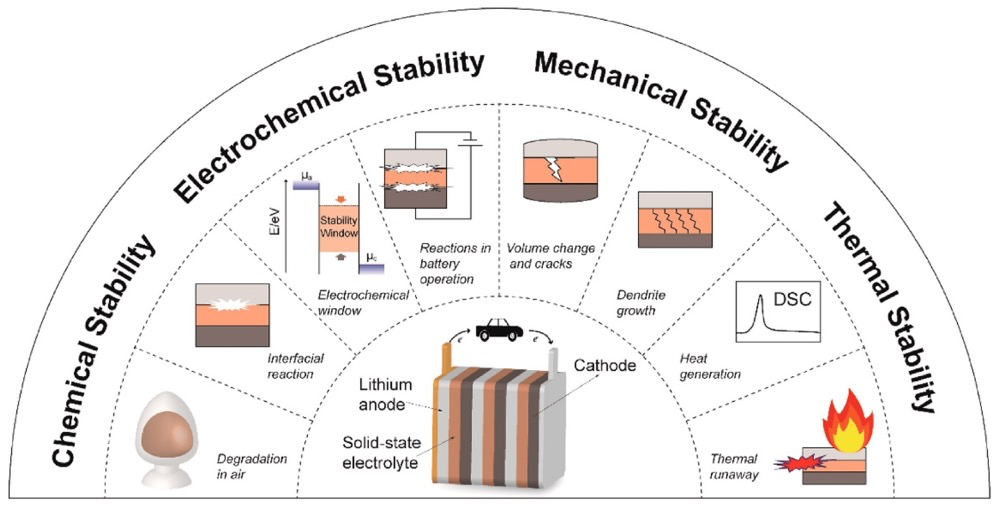
Challenges and Limitations of Solid-State Batteries
Despite their numerous advantages, solid-state batteries are not without challenges that need to be addressed for widespread adoption:
High Production Costs:
- Material Costs: The advanced materials used in solid-state batteries, such as certain solid-state ceramic batteries, are currently expensive. This high cost is partly due to the complexity involved in sourcing and processing these materials.
- Manufacturing Complexity: The production of solid-state batteries involves intricate processes that are not yet fully compatible with existing mass production techniques. This complexity drives up costs and hampers scalability.
- Low Yield Rates: Due to technical difficulties in manufacturing, the yield rates for solid-state batteries are currently low, which further contributes to higher costs.
Technical Challenges:
- Interface Issues: Achieving a stable interface between the solid electrolyte and electrodes remains a significant hurdle. Any issues at this interface can impact the battery's efficiency and longevity.
- Scalability: The current state of solid-state technology is still in its early stage, and scaling up production to meet the demands of the e-bike market is a challenge that manufacturers are working to overcome.
Market Adoption Barriers:
Limited Production Capacity: The current production capacity for solid-state batteries is limited, with only a few companies like TD HiTech Energy making significant strides in this area. This limited capacity affects the availability and affordability of these batteries.
Consumer Awareness and Acceptance: Educating consumers and industry players about the benefits and potential of solid-state batteries is crucial. As the technology is still emerging, widespread adoption will require time and investment.

The Future of E-Bike Batteries
The future of e-bike batteries is set to be transformed by solid-state technology. As advancements continue, solid-state batteries are expected to play a pivotal role in the evolution of battery technology for electric vehicles.
- Technological Breakthroughs: Ongoing research and development are likely to address current challenges, leading to improvements in energy density, charge rates, and overall performance of solid-state batteries. These breakthroughs will make them more viable for mass production and broader adoption.
- Increased Adoption: As production techniques improve and costs decrease, solid-state batteries will become more accessible to e-bike manufacturers and consumers. This shift will drive the adoption of these advanced batteries in various applications.
- Sustainability and Innovation: The move towards solid-state batteries aligns with global trends towards greener, more sustainable technologies. Their improved safety and performance characteristics will contribute to a more sustainable future for electric transportation.
- Long-Term Impact: Solid-state batteries have the potential to redefine the standards for e-bike batteries, offering unmatched safety, performance, and efficiency. While there are hurdles to overcome, the long-term prospects for solid-state batteries in the e-bike market are promising.
FAQ: Common Questions about E-Bike Solid-State Batteries
Are solid-state batteries compatible with all e-bikes?
Solid-state batteries are not universally compatible yet, as their integration may require modifications to existing e-bike designs and systems.
How much do solid-state batteries cost compared to lithium-ion batteries?
Solid-state batteries are currently more expensive than lithium-ion batteries due to higher material and production costs. However, as technology advances, prices are expected to decrease.
Will solid-state batteries replace lithium-ion batteries in e-bikes soon?
While solid-state batteries hold great promise, they are unlikely to replace lithium-ion batteries in the short term. The technology is still in the early stage of development and faces several challenges before it can achieve widespread adoption.