Electric bicycles have revolutionized urban transportation, providing an environmentally efficient and low-cost way to get to work. However, the real game-changer behind electric bicycles is battery technology, and the development of batteries has directly affected the development of new energy vehicles, including electric bicycles, including performance, driving range and safety. In the current rapid development of lithium batteries today, the future development trend of batteries will be how, this article will discuss with you the future trend of electric bicycle battery technology.

The development of electric bicycle batteries
The earliest use of electric bicycles is lead-acid batteries, because of its low cost, easy to produce, but due to large size, heavy weight, poor endurance, gradually eliminated. Then came nickel-metal hydride batteries, which provided higher energy density and lighter weight, but still had the problem of high self-discharge rate and short cycle life. To address these shortcomings, lithium-ion batteries have gradually become mainstream, significantly improving the performance of electric bicycles with higher energy density, lighter weight and longer service life. However, lithium-ion batteries still face safety risks, such as overheating, fire, and recycling to deal with complex environmental issues, prompting the industry to continue to explore safer and environmentally friendly alternative technologies.
Currently commercialized mature technology
High Energy density lithium battery (NCM/NCA) :
Nickel-cobalt-manganese (NCM) and nickel-cobalt-aluminum (NCA) batteries have been optimized for many years and have a higher energy density, lower weight and better stability. At present, it is widely used in the middle and high-end electric bicycle market, providing longer endurance and better riding experience.
Fast charge technology:
Fast charging technology is now able to charge the battery to more than 80% in 1-2 hours, and some models can complete most of the charge in 30 minutes. A large number of electric bicycle brands have been equipped with fast charging function, especially in the urban commuting and shared electric vehicle market, fast charging technology has greatly improved the efficiency of electric vehicles.

Intelligent Battery Management System (BMS) :
Intelligent BMS has been very mature, can monitor the battery's voltage, temperature, charging cycle number and other information in real time, and optimize the control. Almost all high-end electric bicycles have been equipped with a BMS system as standard to ensure efficient and safe operation of the battery.
Safety improvement technology (thermal management and protection design) :
Today's electric bicycle batteries are very mature in terms of thermal management and safety protection design, and improve battery safety through multiple protection mechanisms (such as overcharge protection, overdischarge protection, short circuit protection, temperature protection). These safety technologies have become standard in electric bicycle batteries and are widely used in various models.
Removable modular battery design:
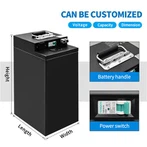
The modular design makes the battery easy to replace and upgrade, and the technology has been relatively stable. More and more electric bicycle brands have introduced a detachable battery design, and users can easily replace the spare battery, which is widely used in the field of commuting and long-distance riding.
Long life battery technology:
The improvement of battery cycle life has become mainstream, and some battery technologies can reach more than 1,000 charge and discharge cycles. Long-life batteries have become a widely used technology in the market, greatly extending the battery life cycle and reducing the replacement cost of users.
Aluminum shell and plastic shell battery packaging technology:
Aluminum shell and plastic shell packaging technology is mature, with good impact resistance and corrosion resistance. Most electric bicycle batteries use this type of packaging technology, which effectively prevents physical damage and water intrusion, and is widely used in various brands. For example, GEB Electric Bicycle Battery uses a unique plastic case process, because of the natural insulation and chemical resistance of plastic, there is a greater guarantee of safety in the battery module, and better low temperature charge performance characteristics.

Future battery technology trends
Changes in battery capacity
The battery capacity is directly related to the range of the electric bicycle. Advances in battery chemistry and structural design are pushing the boundaries of what is possible. We can expect higher energy density batteries, and the push for higher energy density batteries aims to provide longer range without significantly increasing the weight of the battery. The research focuses on advanced materials and chemicals, such as silicon anodes and lithium-sulfur combinations, which can greatly improve energy storage capacity. The emerging technology also focuses on maintaining battery performance in various weather conditions such as cold weather (Want to know how to maintain an e-bike battery in winter), thus improving the applicability of e-bikes in a variety of environments.
Fast charging technology
One of the biggest problems with electric bicycle battery technology that needs to be solved is the evolution of charging methods. The future will lean towards ultra-fast charging solutions that can fully charge an e-bike battery in minutes rather than hours. Innovations such as high-power fast chargers and inductive wireless charging will redefine convenience for e-bike users. These innovations could make e-bikes more convenient, encouraging people to use them for their daily commute.

Solid-state battery
Solid-state batteries, which replace liquid electrolytes with solid ones, are on the horizon. They promise higher energy density, faster charging speeds, and improved safety by reducing overheating and fire risks. However, they are still in the development phase and currently face challenges such as high manufacturing costs.

Environmentally friendly and recyclable batteries
The future of e-bike batteries will also rely heavily on sustainability. Researchers are exploring batteries made from abundant recyclable materials such as sodium or aluminum, which could reduce environmental impact and increase cost-effectiveness.

Safety enhancement
Safety remains a key concern for electric bicycle batteries, especially in the case of overheating and fires in lithium-ion batteries. Safety is a major concern in the development of new electric bicycle batteries. Advanced thermal management solutions, better housing materials and built-in safety mechanisms are being designed to mitigate risks such as overheating, short circuits and fire. ( Read "10 Behaviors that can lead to spontaneous combustion of electric Bicycle Batteries" ) Solid-state batteries, in particular, offer a promising path to safer energy storage.
Data visualization and intelligent battery management
The integration of data visualization with battery technology is enhancing user experience and safety. An intelligent Battery management system (BMS) with real-time data visualization allows users to monitor battery health, charging levels and performance metrics. These systems can not only track battery health and optimize performance, but also employ AI-driven diagnostics to predict potential failures. Future BMS are likely to include cloud connectivity, allowing remote monitoring and real-time updates, and powered BMS that can predict battery problems, adding a layer of reliability to e-bike usage.
A potential replacement for lithium-ion batteries
While lithium-ion batteries are currently the standard, future alternatives such as lithium-sulfur batteries, sodium-ion batteries, and even magnesium-based batteries could challenge this dominance. Each of these alternatives has unique advantages, such as higher theoretical energy density, more abundant materials, and lower costs. However, many of these technologies are still at the research stage and require further development to become commercially viable.

The impact of future development of batteries on the electric bicycle market
Longer range and higher efficiency: With the development of new technologies such as high energy density batteries and solid-state batteries, electric bicycles will be able to offer longer range and higher efficiency. This will greatly change people's travel habits and choices.
Lower usage and maintenance costs: Future advances in battery technology, including improved thermal management systems and higher cycle life, will reduce the frequency of battery replacement and associated expenses, reducing the long-term use costs of e-bikes. This is of great appeal to price-sensitive consumers, helping to increase the penetration of e-bikes.
Innovative design and functionality: The lighter weight and more flexible shape design of the new battery will provide e-bike manufacturers with more design freedom, enabling the vehicle to be lighter and more stylish, and integrating more intelligent features, such as connecting smartphones, GPS tracking, and so on, to further enhance the user experience.
Market competition Intensifies: With the increasing technical threshold and the continuous introduction of new technologies, the competition in the electric bicycle market will become more intense. Those brands that can be the first to adopt new battery technologies will gain a significant competitive advantage, while traditional manufacturers will face pressure to transform.
Impact on national policy
Promote green transport policies: With the popularization of efficient and environmentally friendly batteries, the government will encourage electric bicycles as the main means of low-carbon travel. This could lead to more environmental regulations, subsidies and urban infrastructure such as dedicated e-bike lanes and charging stations.
Policies to support R&D and innovation: In order to maintain technological leadership and economic competitiveness, many countries are likely to increase funding for battery research and development and encourage corporate innovation. Governments may provide tax incentives, research and development grants, and patent protection measures to promote the development of advanced battery technology.
Circular economy and waste battery disposal regulations: As the use of electric bicycle batteries increases, the recycling and disposal of waste batteries will become the focus of policy attention. In the future, more stringent regulations on battery recycling and environmental treatment may be introduced to reduce environmental pollution and promote the development of battery recycling technology.

The future development of electric bicycle batteries will change the related industry.
Electric bicycle manufacturing industry
Improve manufacturing standards and competitiveness: With the continuous advancement of battery technology, the manufacturing industry will face pressure to improve product quality and technical content. Manufacturers will have to increase the level of intelligence in their production lines and introduce advanced battery management systems (BMS) and thermal management technologies to stay competitive. This will drive the technological upgrading of the entire industry and promote the development of intelligent manufacturing.
Supply chain optimization and localized production: Advances in battery technology and policy support will prompt e-bike manufacturers to seek a more stable and localized supply chain, reducing dependence on imported batteries and key raw materials. This may prompt some countries and regions to increase investment, build localized battery production and research and development bases, and promote the development of related industrial clusters.
Battery production and material industry
Surging demand for high-performance battery materials: With the upgrading of battery technology, especially the wide application of high-performance materials such as solid-state batteries, silicon-based negative electrodes and new electrolytes, the demand for these advanced materials will grow rapidly. This will promote the vigorous development of the material research and development and production industry, and accelerate the commercialization of new materials.
Circular economy and recycling industry: The recycling of used batteries will become an important industry trend in the future. New battery technologies require different treatment and recycling methods, which will promote the upgrading of the recycling industry and the development of more environmentally friendly and efficient treatment technologies. At the same time, the policy's mandatory requirements for waste battery recycling will also spawn more related enterprises, forming a complete circular economy chain.
Charging infrastructure and energy industry
Charging network expansion: The development of efficient charging technology in the future will lead to the expansion of public charging infrastructure, such as fast charging stations, wireless charging points, etc. This will promote the cooperation of many industries such as power companies, charging equipment manufacturers, urban planning departments, and promote the popularization and intelligent management of charging networks.
Renewable energy integration: As the e-bike market expands, the energy industry will integrate more with renewable energy systems, such as solar charging stations, to reduce carbon emissions. This is not only in line with environmental protection policies, but also will become a new business opportunity and growth point for energy companies.
Logistics and retail
Improved logistics and distribution efficiency: Longer endurance and more reliable electric bicycles will provide more efficient and environmentally friendly distribution tools for the logistics and express delivery industries. This will reduce operating costs and improve distribution efficiency, especially in the "last mile" distribution in cities, helping the development of green logistics.
Retail and after-sales service upgrade: With the update and iteration of battery technology, retailers and after-sales service institutions need to continuously improve technical support capabilities to provide consumers with more professional battery maintenance, management and upgrade services. At the same time, it will also give rise to new business models such as battery rental and trade-in services.
Finance and insurance
New financial and insurance products: The expansion and technological upgrading of the electric bicycle market will promote the financial and insurance industry to develop new financial products and insurance services, with the popularity of electric bicycles and the improvement of service life, such as electric bicycle installment payment, special insurance products and other needs will also increase to meet the diversified needs of consumers and enterprises.