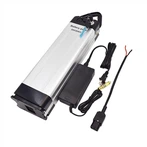
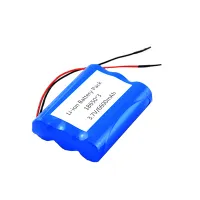
Electric bicycles (e-bikes) are revolutionizing urban transportation, offering an eco-friendly and efficient way to travel. At the core of every e-bike lies its electric bike battery, a key factor influencing performance, range, and durability. Understanding the battery construction and how various components work together can help you choose the right e-bike battery and optimize the performance of your electric bicycle.
In this article, we'll break down the essential elements of electric bike batteries, examine how battery design impacts performance, and discuss important factors that influence the battery life and overall effectiveness of your e-bike.

1. The Anatomy of an Electric Bicycle Battery
To understand how the design of an electric bicycle battery affects its performance, we need to explore the internal structure. A typical electric bike battery consists of multiple components that work together to provide power, stability, and longevity.
Key Components of an E-Bike Battery:
Battery Cells (Lithium-Ion Cells)
The heart of any e-bike battery is its individual cells. Today, most e-bike batteries are powered by lithium-ion batteries, also referred to as Li-ion batteries. These cells are highly efficient, lightweight, and capable of storing a significant amount of electric energy in a relatively small package. They provide high energy density, meaning they store more power for less weight, which is crucial for achieving longer range and better performance in e-bikes.
Battery Pack
These cells are grouped together to form a battery pack. The pack is designed with a combination of battery capacity (measured in watt hours (Wh) or amp hours (Ah)) and voltage, which affects the bike's range, speed, and overall performance. Higher battery voltage often results in more powerful acceleration and better performance on inclines.
Battery Management System (BMS)
The Battery Management System (BMS) is a vital component that monitors the health and performance of the battery. It ensures the battery operates safely by managing charging times, balancing the cells, and protecting the battery from overcharging or overheating. The BMS also helps in charging the battery more efficiently and prevents issues such as extreme temperatures that can damage the battery.
Casing and Enclosure
The external casing is designed to protect the delicate battery cells from external elements like moisture, dirt, and impacts. The casing is also important for thermal management, ensuring that the battery does not overheat during use or charging.
2. Key Factors in Battery Design That Affect Performance
Battery design is a critical factor in the overall performance of an e-bike. Several elements of battery construction directly influence how the e-bike performs under various conditions.
1. Battery Capacity and Energy Density
- Battery Capacity (Ah or Wh): The capacity of an e-bike battery determines how much electric energy it can store. Battery capacity is typically measured in amp hours (Ah) or watt hours (Wh). A higher battery capacity means the battery can power the motor for a longer period, extending the e-bike's range. For example, an e-bike with a 500Wh battery can typically cover a greater distance on a single charge compared to a bike with a 300Wh battery.
- Energy Density: Lithium-ion batteries are favored because they have a high energy density, meaning they provide more power in a smaller, lighter package. This results in longer battery life, improved performance, and a more efficient ride.
2. Battery Voltage and Power Output
The voltage of the battery affects the power output to the electric motors. A higher battery voltage (e.g., 48V) allows the motor to provide more power, which translates into faster acceleration, better performance on hills, and higher top speeds. Lower-voltage batteries (e.g., 24V or 36V) are usually sufficient for lighter, city commuting e-bikes.
3. Charging Speed and Efficiency
The charging times for e-bike batteries can vary depending on the capacity and design. Many modern lithium-ion batteries support fast charging, allowing the battery to be charged in just a few hours. Some high-performance e-bike batteries can be fully charged in under 4 hours, making them suitable for quick turnarounds. The BMS in the battery also plays a significant role in ensuring safe and efficient charging.
4. Heat Management and Battery Lifespan
The temperature at which a battery operates can significantly affect its performance and lifespan. Extreme temperatures-both high and low-can lead to faster degradation of battery cells, reducing overall battery life. Well-designed lithium batteries incorporate features to manage heat, such as thermal pads, cooling systems, or heat shields, which help maintain optimal performance during use.
3. Battery Chemistry and Its Impact on Performance
The chemistry behind the electric bike battery influences how well it performs in various conditions. Lithium-ion batteries, or Li-ion batteries, have become the industry standard because of their numerous advantages.
Lithium-Ion Batteries (Li-ion)
Pros: High energy density, longer cycle life, fast charging times, and lighter weight. This makes Li-ion batteries ideal for e-bikes, where performance and weight are key concerns.
Cons: Li-ion batteries can be sensitive to extreme temperatures. Proper battery management systems are crucial to protect the cells from damage due to overheating or freezing.
Lead-Acid Batteries
Pros: Less expensive compared to lithium-ion batteries.
Cons: Heavier, with much lower energy density. Lead-acid batteries also have a shorter battery life and require longer charging times.
While lead-acid batteries are still found in some older or budget e-bikes, the trend has shifted toward lithium batteries due to their superior performance characteristics.
4. Battery Management Systems (BMS) and Their Role in Performance
A Battery Management System (BMS) is an essential component of any modern electric bike battery. The BMS ensures the safe and efficient operation of the battery by monitoring various parameters such as voltage, current, and temperature. It plays a key role in protecting the battery from overcharging, overdischarging, and extreme temperatures, which could otherwise lead to cell damage or reduced battery life.
The BMS also manages pedal assist levels, ensuring that power is distributed evenly to the motor based on the rider's input. This helps optimize energy use, extend battery life, and provide a smooth and efficient riding experience.

5. How Battery Construction Impacts Overall Electric Bicycle Performance
The design and construction of the electric bike battery directly affect several key performance factors of an e-bike, including range, speed, handling, and battery efficiency.
Battery and Range
The battery capacity and energy density of an e-bike battery determine how far you can ride on a single charge. For example, an e-bike equipped with a 48V lithium-ion battery will generally have a longer range than one with a 36V battery, even if both have the same battery capacity (measured in watt hours).
Battery and Speed
The battery voltage has a direct impact on the performance of the electric motors. Higher voltage batteries provide more power to the motor, allowing for faster acceleration and higher speeds. This is particularly important for riders who frequently travel on hilly terrain or who need more speed for commuting.
Battery and Comfort
An efficient BMS helps regulate the flow of power to the motor, which improves overall handling and comfort. Additionally, a well-maintained battery pack ensures that the motor performs optimally, whether you're using pedal assist or relying solely on the motor for propulsion.
Conclusion
The construction and design of an electric bicycle battery are crucial factors that determine the overall performance and battery life of the e-bike. From the battery capacity and voltage to the Battery Management System (BMS), every component plays a role in ensuring that the battery delivers reliable power over the long term. By understanding the battery construction and the factors that influence performance, you can make better decisions when selecting or maintaining your electric bike battery.
Whether you're looking for an e-bike with a long range, fast charging times, or a battery that can withstand extreme temperatures, the key is to focus on the battery construction that best suits your needs. With the right battery, you can enjoy a smooth, efficient, and comfortable ride, powered by the latest lithium-ion battery technology.