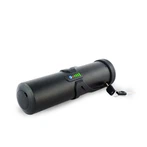
Electric scooters have become an increasingly popular mode of transportation, especially in urban areas. They are efficient, eco-friendly, and offer a convenient solution for short-distance travel. One of the most important components of an electric scooter is its battery. The battery type used in electric scooters directly influences the scooter's range, performance, and lifespan. But with so many different battery options available, how do you know which one is best suited for your needs?
In this article, we will explore the various types of batteries used in electric scooters, their unique characteristics, and how they affect scooter performance. We will also provide practical advice on choosing the right battery based on your requirements. Let's dive into the nitty-gritty of electric scooter batteries.
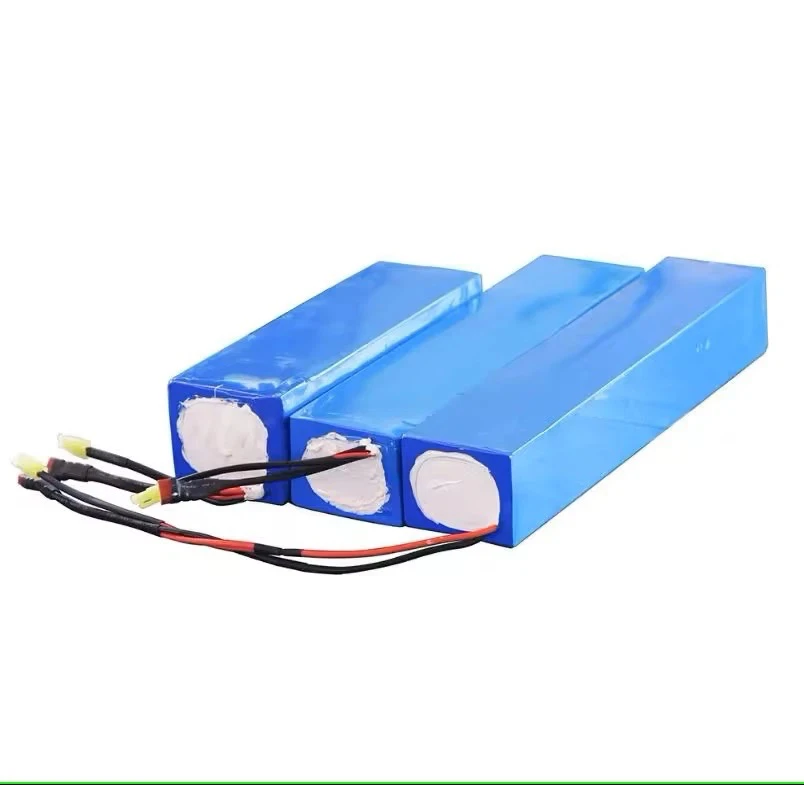
Types of Batteries Used in Electric Scooters
There are several types of batteries used in electric scooters, each with its own set of advantages and disadvantages. The most common types are lithium-ion (Li-ion) batteries, lithium iron phosphate (LiFePO4) batteries, and lead-acid batteries. Let's take a closer look at each type and understand their features.
1. Lithium-ion (Li-ion) Batteries: The Most Popular Choice
Lithium-ion batteries, commonly referred to as Li-ion batteries, are the most widely used type of battery in electric scooters. This type of battery has gained popularity due to its high energy density, long lifespan, and lightweight design.
Key Features of Lithium-ion Batteries:
High Energy Density: Li-ion batteries provide a higher capacity and longer range compared to other types of batteries. This is essential for electric scooter riders who want a longer battery life on a single charge.
Longer Lifespan: With proper care, lithium-ion batteries can last between 2 to 5 years, or up to 500-1000 charge cycles. This is much longer than the lifespan of lead-acid batteries.
Lightweight: Lithium-ion batteries are significantly lighter than their counterparts, which makes the electric scooter more portable and easy to carry.
Fast Charging: Li-ion batteries can be charged more quickly than other types, allowing users to get back on the road sooner.
Higher Voltage: These batteries typically come in higher voltages (e.g., 48V 10Ah or 48V 20Ah battery), which helps improve performance, including speed and hill-climbing ability.
Common Battery Configurations:
48V 10Ah (Amp Hour) Battery: This configuration is common in many entry-level to mid-range electric scooters. It provides a balance between battery capacity (Ah) and performance, offering a range of approximately 25-40 miles on a full charge, depending on the scooter's power system and usage.
48V 20Ah Battery: Used in high-performance electric scooters, this configuration provides more power and a significantly longer range of up to 60-80 miles per charge. It is ideal for longer commutes or for heavier riders.
Applications:
Li-ion batteries are the go-to choice for electric scooter manufacturers due to their higher voltage, capacity, and amp hour (Ah) ratings, making them perfect for riders seeking both higher capacity and longer riding durations.
2. Lithium Iron Phosphate (LiFePO4) Batteries: Safe and Durable
Another type of lithium-based battery used in electric scooters is the lithium iron phosphate (LiFePO4) battery. While it is less common than the standard lithium-ion battery, it offers specific advantages in terms of safety and durability.
Key Features of LiFePO4 Batteries:
Improved Safety: LiFePO4 batteries are known for their high safety profile. They are less likely to overheat, catch fire, or explode compared to other lithium-ion batteries. This makes them an excellent option for riders prioritizing safety.
Longer Lifespan: LiFePO4 batteries can last over 2,000 charge cycles, which is significantly higher than traditional lithium-ion batteries.
Stable Performance: These batteries perform well in a wide range of temperatures and are less prone to capacity degradation over time.
Common Battery Configurations:
48V 15Ah LiFePO4: This configuration offers a good balance between safety and performance, providing a reliable range of up to 45 miles per charge.
Applications:
LiFePO4 batteries are ideal for those seeking a larger battery with superior safety features. However, they tend to be heavier than standard lithium-ion batteries, which might affect the overall weight and portability of the scooter.
3. Lead-Acid Batteries: The Traditional Option
Lead-acid batteries are the traditional choice for electric scooters and have been used in older models. They are often seen in budget-friendly scooters due to their lower cost.
Key Features of Lead-Acid Batteries:
Lower Cost: Lead-acid batteries are much cheaper to produce, which makes electric scooters using these batteries more affordable.
Heavier: These batteries are significantly heavier than lithium-based batteries, which can impact the scooter's overall weight and performance.
Shorter Lifespan: Lead-acid batteries generally last only 1 to 2 years, with a maximum of around 300-500 charge cycles.
Slower Charging: They take much longer to charge compared to lithium-ion batteries.
Common Battery Configurations:
36V 12Ah Lead-Acid Battery: This is a typical configuration used in budget electric scooters. The range on a full charge is generally between 20-30 miles, depending on the scooter's design and usage.
Applications:
While lead-acid batteries are less efficient and offer shorter lifespans compared to lithium-based options, they are still found in low-cost electric scooters. However, their popularity is waning as consumers demand more powerful and durable battery solutions.
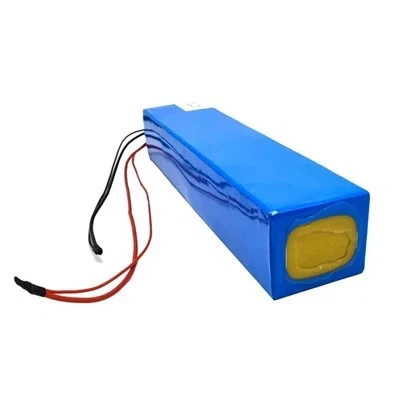
Choosing the Right Battery for Your Electric Scooter
When choosing the right battery for your electric scooter, several factors need to be considered:
1. Range and Capacity
The capacity (Ah) and watt-hours (Wh) of the battery determine how far your scooter can travel on a single charge. If you need to travel long distances, a higher capacity battery such as a 48V 20Ah or 48V 15Ah LiFePO4 battery would be a better choice, as it offers longer range and more power.
2. Performance and Voltage
The voltage of the battery, such as 48V, plays a significant role in the scooter's performance, including its maximum speed and hill-climbing ability. Higher voltage typically translates to more powerful motors and faster speeds, which is essential if you plan to use your scooter for longer trips or more challenging terrains.
3. Weight and Portability
If portability is important to you, consider opting for a lighter Li-ion battery over a lead-acid battery. Lithium-ion batteries are not only lighter but also smaller and more compact, making it easier to carry the scooter when needed.
4. Cost vs. Longevity
While lead-acid batteries are cheaper, they have a shorter lifespan and require more frequent replacements. In contrast, lithium-ion and LiFePO4 batteries might have a higher upfront cost but offer better performance, longer lifespans, and a greater return on investment over time.
5. Safety Features
If safety is a top priority, LiFePO4 batteries are an excellent choice due to their high safety standards and stability. They are especially suitable for riders who want extra peace of mind.
Conclusion: Making the Right Battery Choice
Choosing the right battery for your electric scooter depends on your specific needs. If you prioritize long-range, lightweight design, and fast charging, lithium-ion (Li-ion) batteries are your best option. For those who need an extremely safe, long-lasting battery, LiFePO4 batteries are a great choice, albeit at a higher cost. On the other hand, if you are on a budget and don't mind the added weight and reduced lifespan, lead-acid batteries may be a suitable option.
As electric scooters continue to evolve, the demand for higher capacity, efficient, and long-lasting batteries will only increase. It is important to select a battery that aligns with your usage needs, whether it's for daily commuting, recreational rides, or long-distance travel. Understanding the various battery specifications, amp hours (Ah), and voltage options available will empower you to make a more informed decision.
With this guide, we hope you now have a clearer understanding of the types of batteries available for electric scooters and how each type impacts your scooter's performance. Happy riding!

Find a Quality Electric Scooter Battery Manufacturer
GEB, a brand under General Electronics Technology Co., LTD, is a professional manufacturer of electric bicycle lithium batteries. Established in 2009 and located in Shenzhen, GEB employs over 180 people and generates annual sales exceeding 30 million USD, positioning itself as a leader in the industry. Unlike other domestic battery manufacturers such as CATL and CALB, which have government backing, GEB operates independently, offering more personalized and attentive service, especially for smaller projects. Our customer-oriented approach distinguishes us from the more rigid, less responsive service typically found in larger, government-affiliated manufacturers. Contact us now to get electric scooter battery test samples(sales@gebattery.co)