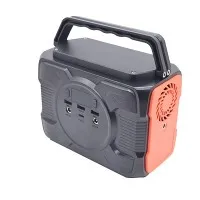
As a representative of green travel, electric bicycles have become an indispensable part of urban transportation. The performance of their core component - the battery - directly determines the user's travel experience. Among various battery specifications, 48V 20Ah is a widely favored configuration, but consumers often have many doubts about its actual range. This article explores the basic knowledge of 48V 20Ah Ebike batteries, how to calculate their theoretical range, and the factors that affect their range.

Understanding the Basics of a 48V 20Ah Ebike Battery
To understand range, it's important first to know what the numbers on a battery mean. A 48V rating refers to the voltage, which determines how much power the battery can deliver at once. The 20Ah rating stands for ampere-hours, which measures capacity. When combined, they give the total energy storage:
48V × 20Ah = 960Wh
That means the battery stores about 960 watt-hours-roughly equal to 1 kilowatt-hour of usable energy. This figure is the starting point for estimating range, but the actual distance you get depends on how efficiently that energy is consumed.
There are also significant differences between battery types. A 48v 20ah ebike battery capacity can be provided by either lead-acid or lithium cells. Lead-acid batteries are cheaper but heavier and less efficient, often weighing over 25kg. Lithium batteries, on the other hand, are lighter (8–12kg), more efficient, and last much longer, making a 48v 20ah lithium battery for ebike the preferred choice for most modern riders.
Theoretical Range of a 48V 20Ah Ebike Battery
Calculating range begins with a simple formula:
Range (km) = Battery capacity (Wh) ÷ Energy consumption per km (Wh/km)
For a 48V 20Ah battery, the total capacity is 960Wh. If the bike consumes about 15Wh per km at an economical speed of 20–25 km/h, the theoretical range is:
960Wh ÷ 15Wh/km ≈ 64 km
At higher speeds, energy use can jump to 25Wh per km, bringing the range down to:
960Wh ÷ 25Wh/km ≈ 38 km
This shows why range depends heavily on riding conditions and style.
Reference data also illustrates how motor power changes the equation. With the same 48V 20Ah pack, real-world results differ by motor size:
|
Motor Power (W) |
Theoretical Range (km) |
Real-World Range (km) |
Best Suited For |
|
300W |
80 |
60–70 |
Flat urban roads |
|
350W |
65 |
55–65 |
Mild hills, occasional passenger |
|
400W |
60 |
55–75 |
Mixed terrain |
|
500W |
– |
80–100 |
Mountain roads, heavy loads |
So when people ask 48v 20ah ebike range per charge or how far can a 48v 20ah ebike go, the real answer is that it varies. Under optimal conditions, expect between 55 and 70 km for most standard setups.
Key Factors Affecting Ebike Battery Range
The range of a 48V 20Ah ebike battery is not fixed; it is influenced by multiple variables. According to Reference Article 3, these factors can be grouped into three main categories: vehicle configuration, environmental conditions, and usage habits.
Motor Power
One of the most critical factors is motor power, which shows an inverse relationship with range. For example, when paired with a 300W motor, the 48V 20Ah battery typically achieves 60–70 km, but with a 500W motor the range can drop to 45–60 km. Higher wattage motors consume more energy per unit of time, which directly reduces distance. Motor efficiency also plays a role: a high-efficiency motor can extend range, while a less efficient motor wastes energy and cuts into performance.
Battery Type
The type of battery also makes a noticeable difference. A 48V 20Ah lead-acid battery usually delivers about 50–60 km in theory, but real-world performance often falls to around 45 km, especially under load or on poor road conditions. By contrast, a 48V 20Ah lithium battery can reach 60–70 km in summer and about 50–60 km in winter, thanks to higher energy density, lighter weight, and better efficiency. Lithium also provides a longer cycle life, making it more consistent over time.
Environmental Conditions
Temperature significantly impacts battery chemistry. In winter, low temperatures can cut range by 15–20%, while in summer, range improves. Road conditions matter as well: rough or hilly terrain can reduce range by 20–30% compared to smooth, flat roads. Frequent stops and starts in urban traffic also consume more energy than steady riding in suburban or rural areas.
Load Weight
Carrying passengers or heavy cargo directly reduces efficiency. A single rider achieves the best distance, while adding another passenger typically shortens range by 10–15 km.
Riding Habits
How the bike is ridden has a substantial effect. Aggressive riding with hard acceleration, high speeds, and frequent braking increases consumption. On the other hand, steady riding at around 20–25 km/h and predictive braking can improve range by 10–15%. Tire pressure is another overlooked factor-low pressure increases rolling resistance and shortens distance.
Battery Aging
Over time, every battery loses capacity. Lead-acid batteries often fall to 60–70% of their original capacity after 1–2 years, while quality lithium packs typically retain over 80% in the same period. Proper maintenance-avoiding over-discharge, overcharge, and using the correct charger-helps slow down this decline.
In summary, as Reference Article 3 explains, variations in range are not necessarily a sign of poor quality but a natural result of these combined factors. By understanding and optimizing them, riders can achieve more consistent and reliable performance from their 48V 20Ah ebike battery.

Lead-Acid vs. Lithium: Which 48V 20Ah Battery Lasts Longer?
When evaluating 48v 20ah lithium vs lead acid battery range, the difference is clear.
Lead-acid batteries are the older, more affordable technology, but they come with trade-offs. Their typical range is about 45–55 km, and they weigh a hefty 25–28 kg. Lifespan is relatively short-only 300–500 charge cycles-and performance drops sharply in cold weather, with range reductions of 30–50%.
Lithium batteries, by contrast, represent the modern standard. A 48v 20ah lithium battery for ebike usually provides 60–70 km of range while weighing only 8–12 kg. They last significantly longer, surviving 1000–2000 charge cycles, and cold weather only reduces capacity by about 15–20%.
Here's a side-by-side comparison:
|
Feature |
Lead-Acid Battery |
Lithium Battery |
|
Range |
45–55 km |
60–70 km |
|
Weight |
25–28 kg |
8–12 kg |
|
Lifespan |
300–500 cycles |
1000–2000 cycles |
|
Cost |
Lower upfront |
Higher upfront |
|
Charging Time |
8–10 hours |
4–6 hours |
This ebike battery comparison shows why lithium is increasingly the preferred choice. While lead-acid batteries still appeal to budget-conscious buyers, lithium batteries deliver better range, lighter weight, and a longer lifespan-making them the smarter long-term investment.
Real-World Use Cases and Rider Experiences
Specifications are one thing, but what matters most is how a battery performs in daily life. Let's look at real-world situations to see how far a 48v 20ah ebike battery for commuting or long-distance riding can really take you.
- Urban commuting: For riders traveling 10–15 km per day, a single charge typically lasts an entire week, requiring charging only once or twice per week.
- Carrying passengers or cargo: Adding weight reduces range by 10–15 km, even on otherwise flat routes.
- Delivery riders: Couriers and food delivery workers, who face frequent stops and starts, often report ranges closer to 40–50 km-lower than casual riders but still enough for a work shift.
- Flatlands vs. mountain roads: In mountainous terrain, riders often find their range drops 25–35% below the advertised figure, while on flat, open roads, the battery can reach or even exceed the claimed distance.
- Seasonal differences: In summer, a long distance ebike battery like the 48V 20Ah can provide 60–70 km. In winter, the same pack may shrink to 40–50 km.
- Test data: In one real-world test of a 48v 20ah ebike battery distance, a rider covered 55.4 km and still had two bars left, suggesting a full range of around 70 km.
These examples show why riders' reported ranges differ so much. Factors like load, terrain, and season make a major impact on actual results.
6. How to Extend the Range of a 48V 20Ah Ebike Battery
The good news is that riders can influence range through habits and maintenance. Here are proven ways to increase 48v 20ah ebike battery range and extend ebike battery life:
Riding habits: Maintain an economical speed (20–25 km/h), avoid hard acceleration, and minimize sudden braking. Smooth riding reduces wasted energy.
Battery care: Avoid both overcharging and deep discharging. Keep tire pressure optimal, as low pressure increases rolling resistance.
Environmental care: In winter, charge the battery indoors at moderate temperatures. Avoid leaving the bike in extreme heat or cold.
Long-term strategy: Choose high-quality cells and a battery management system (BMS) that protects against overcharging, over-discharging, and overheating. This slows down capacity loss over time.
By following these practices, riders can stretch their effective range by 10–30% and significantly extend the usable life of their battery.
Conclusion
So, what is the true 48v 20ah ebike battery distance? In most real-world cases, you can expect between 40 and 70 km per charge, with extremes ranging from 30 km under heavy load in winter to 80 km under ideal conditions.
Range is not a fixed number-it depends on motor power, terrain, rider weight, weather, and riding style. That's why two riders with the same battery can have very different experiences.
For casual commuters, a 48v 20ah ebike battery for long distance use is more than sufficient, requiring only one or two charges per week. For delivery riders or those carrying extra loads, careful riding habits and good maintenance are key to maximizing performance.
Contact us now to learn more about 48V Ebike batteries or get a free quote. Email: sales@gebattery.co