


For many electric bike and scooter enthusiasts, the idea of upgrading to a 72V battery is both exciting and confusing. A higher voltage system promises faster speeds, stronger acceleration, and better performance under load. At the same time, it raises important questions: How fast does a 72V battery go? What happens to range at higher speeds? What kind of rider or usage scenario actually benefits from such a system? And importantly, how safe and practical is it in real-world conditions?
This article explores these questions in depth. Drawing from technical data, industry standards, and performance tests, I will examine what riders can realistically expect when equipping their vehicle with a 72V system.
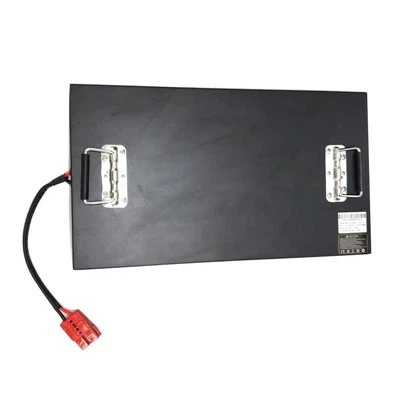
How fast can a 72V e-bike go?
Speed ranges with different motor powers
A 72V system does not have a single fixed speed-it depends heavily on the motor's rated power, controller setup, and overall design of the bike. Still, based on tested configurations, we can outline some clear benchmarks:
- 800W motor: Typically achieves around 45–50 km/h. This setup balances energy efficiency with adequate commuting speed.
- 1000W motor: Common in mid-range builds, producing speeds of 50–65 km/h under normal riding conditions.
- 1200W motor: Pushes performance higher, often reaching 60–70 km/h, though at the expense of range.
- 1500W motor and beyond: With performance tuning or aftermarket modifications, speeds can climb to 70–85 km/h, though such configurations often cross into electric motorcycle territory and raise legal concerns.
These figures illustrate the clear link between motor power and the 72V e-bike top speed. For example, a 72V 3000W motor, often used in heavy-duty or racing-style e-bikes, can exceed 90 km/h-though such setups require specialized components and safety measures.
Key factors that influence speed
While motor power is the most obvious determinant of speed, several other technical and environmental factors play a role:
- Motor efficiency – Even at the same power rating, efficiency curves differ. Most 72V motors operate most efficiently between 20–50 km/h; above 70–80 km/h, efficiency typically drops significantly.
- Controller specifications – The controller acts as the brain of the system. An 18-MOSFET controller can supply higher current, unlocking greater top speed and acceleration. Poor-quality controllers, by contrast, limit performance regardless of battery voltage.
- Battery capacity and stability – A larger battery (e.g., 72V 32Ah vs 20Ah) delivers current more consistently, preventing voltage sag at high speeds. This keeps performance stable during longer rides.
- Vehicle weight and conditions – Heavier frames, rider weight, steep inclines, and headwinds reduce achievable top speed. Conversely, lightweight builds with aerodynamic profiles can maximize performance.
- Riding habits – Aggressive throttle use or frequent stop-and-go riding consumes more energy, reducing both speed stability and range.
Together, these elements explain why two bikes with the same 72V battery might perform very differently. Compatibility between motor, controller, and battery-what we call 72V e-bike motor compatibility-is the foundation of a safe and efficient high-voltage system.
72V vs 48V/60V batteries: how do they compare?
Upgrading from 48V or 60V to 72V results in a noticeable jump in performance. Here are the main differences:
Speed – A 48V setup typically peaks around 30–40 km/h, while a 60V system can reach 40–55 km/h. A 72V battery easily extends this to 50–70 km/h depending on configuration.
Stability under load – Higher voltage systems maintain speed better during hill climbs, when carrying passengers, or under heavy cargo.
Applications –
- 48V: Best for short urban commutes, low-speed regulations, and budget-conscious riders.
- 60V: Balanced choice for city use with moderate performance demands.
- 72V: Designed for riders who prioritize speed, longer commutes, or require strong climbing ability.
In short, the 72V vs 48V battery speed comparison shows a clear performance edge, though it comes with increased costs and legal considerations.

The balance between speed and range
The trade-off between higher speed and reduced range
A critical reality is that speed and range exist in tension. Every 10 km/h increase in speed can reduce effective range by 10–20%, depending on motor efficiency and aerodynamics.
For example:
- 72V 20Ah + 800W motor: Around 80 km range at ~60 km/h cruising speed.
- 72V 32Ah + 1200W motor: Around 100 km range at ~55 km/h, though high-speed riding will quickly drain capacity.
This illustrates the principle: while higher capacity batteries support higher speed systems, the faster you ride, the fewer kilometers you can expect before needing a recharge.
Factors that affect range
Range is influenced by more than just speed. The following elements are equally important:
Motor power – Larger motors draw more current. An 800W system might achieve 80 km, whereas a 1200W motor may drop range to 55–60 km under similar conditions.
Battery capacity and type –
- 20Ah packs: Suitable for moderate commuting.
- 32Ah or 35Ah packs: Provide stability and longer range for heavy riders or delivery use.
- Lithium vs lead-acid: Lithium offers higher energy density, longer life, and less voltage sag at high speed.
Temperature – Cold weather reduces effective battery capacity, sometimes by over 30%, significantly shortening real-world range.
Terrain and load – Hills, uneven roads, and heavy cargo increase energy demand.
Riding style – Smooth, steady riding conserves energy, while aggressive acceleration reduces both range and battery lifespan.
Understanding these variables helps riders plan realistically. A 72V e-bike range test often shows real-world performance to be 15–20% lower than theoretical numbers, reminding us that efficiency, not just voltage, determines the quality of the ride.
Who is a 72V battery best suited for?
Recommended riders and use cases
A 72V battery system is not a one-size-fits-all solution; its advantages shine in specific scenarios and rider profiles.
Long-distance commuters (>20 km per trip)
Riders who travel extended distances daily will appreciate the endurance of a 72V system. With capacities of 32Ah or higher, these batteries can reliably support 100 km or more, reducing the need for mid-day charging. This makes the 72V e-bike for commuting an attractive choice for suburban or intercity travel.
Delivery and courier workers
Those working in food delivery or parcel logistics require both speed and range. A 72V system provides cruising speeds of 55–70 km/h, shortening delivery times, while larger packs minimize downtime spent on charging or swapping batteries. For this group, the 72V e-bike delivery use case is clear: efficiency and reliability are critical.
Riders with load-carrying needs
Farmers, vendors, or small-scale transport users often carry goods or passengers. The high torque output of 72V systems ensures stable acceleration and climbing ability, even under heavy loads.
Residents of hilly or complex terrain
Cities built on slopes, such as Chongqing or San Francisco, demand strong climbing power. A 72V system paired with a 1000–1500W motor maintains consistent performance where lower-voltage bikes would slow dramatically.
Efficiency-focused professionals
Office workers seeking to bypass congested traffic benefit from higher cruising speeds. Compared with 48V or 60V systems, a 72V setup can shave significant time off commutes without relying on cars or public transit.
Who should avoid a 72V system?
While powerful, a 72V battery is not ideal for everyone.
Short-distance riders (<5 km trips)
For those who only ride to the market or pick up children from school, a 72V system is excessive. A lighter, cheaper 48V bike offers more convenience for everyday errands.
Budget-conscious users
72V batteries and their compatible motors cost 20–50% more than 48V or 60V systems, and replacement cycles add to long-term expenses. For riders mainly focused on affordability, lower-voltage bikes remain a better option.
Riders in strict regulatory environments
Many regions enforce e-bike laws that limit vehicles to ≤25 km/h and ≤48V. In such areas, a 72V system may legally fall into the electric motorcycle category, requiring a license, registration, and insurance. Those prioritizing legality should consider a 48V model.
Beginners or those with limited safety awareness
Higher speeds demand quicker reactions and greater control. Inexperienced riders may find 72V systems challenging, with greater risk of accidents. In such cases, it is wiser to start with a more modest setup.
Battery technology comparison in 72V systems
Lead-acid batteries
Traditional lead-acid packs are inexpensive and widely available. They deliver reliable but limited performance, often restricting range to 50–80 km. Their heavy weight and short cycle life (300–500 charge cycles) make them less attractive for serious riders. Still, they remain an entry-level option for budget-limited buyers.
Graphene-enhanced lead-acid batteries
An evolution of conventional lead-acid, graphene-modified versions improve conductivity and heat dissipation. This translates into 10–20% longer range and slightly better stability at high discharge rates. However, they are still heavy and only marginally more efficient than standard lead-acid, though their lifespan is somewhat improved.
Lithium-ion batteries
For performance-oriented riders, lithium-ion remains the gold standard. With energy densities up to five times higher than lead-acid, these packs are far lighter, longer-lasting (1000–2000 cycles), and capable of sustaining high current without severe voltage drop. Large-format packs (72V 40Ah–150Ah) can deliver 200–300 km of range. The trade-offs are higher cost and the need for a proper battery management system (BMS) to ensure safety.
When comparing options, the 72V lithium battery for e-bike clearly outperforms lead-acid and graphene alternatives in every metric except price. For those prioritizing longevity and performance, it is the superior choice, whereas 72V graphene battery vs lead-acid debates often come down to small gains versus added expense.
Regulations and safety considerations
The legal classification of a 72V e-bike varies by region, but there are consistent themes:
- Regulatory limits – Many jurisdictions, including China's "new national standard," classify e-bikes strictly as ≤48V, ≤25 km/h, and ≤400W. A 72V bike exceeds all these thresholds and is typically defined as an electric motorcycle or moped.
- Road legality – Operating a 72V system often requires a license, registration, and number plate. Riders must verify local laws to avoid fines or confiscation.
- Safety requirements – High-speed riding demands upgraded braking systems (ABS or CBS), reinforced frames, and protective gear such as helmets and gloves. Tires with good grip and proper suspension are also essential for maintaining control.
Ignoring these aspects can lead to legal complications and heightened accident risk. Understanding 72V e-bike legal requirements and following 72V e-bike safety tips ensures both compliance and rider protection.
Practical advice for selecting a 72V e-bike
Choosing the right configuration requires balancing speed, range, and cost:
- Define your priority – If top speed is your goal, prioritize motor wattage and controller output. If endurance matters, invest in higher capacity batteries.
- Match motor and battery capacity – An 800W motor pairs well with 20Ah–23Ah packs, while 1000–1200W motors benefit from 32Ah or more. Oversizing the motor without upgrading the battery often leads to disappointing results.
- Consider controller quality – Well-designed controllers from reputable brands improve efficiency, acceleration smoothness, and overall reliability.
- Check warranty and after-sales support – Lithium packs often come with 2–3 years of warranty, compared to 1 year for lead-acid. Strong service networks reduce downtime and ensure long-term value.
These steps help ensure any 72V e-bike upgrade is a worthwhile investment, and guide buyers toward the best 72V battery for electric bike use cases.
Conclusion: Is a 72V battery worth upgrading to?
A 72V battery undeniably delivers higher speed, stronger torque, and greater stability under demanding conditions. For riders commuting long distances, carrying loads, or working in delivery, the benefits often outweigh the costs. However, buyers must weigh these advantages against legal restrictions, higher upfront costs, and increased safety requirements.
Ultimately, the question "How fast does a 72V battery go?" cannot be answered without considering context. The answer ranges from 45 km/h to 85 km/h, depending on configuration-but speed is only one dimension. Matching battery technology, motor power, and rider needs ensures that the 72V electric bike battery delivers not only performance, but also reliability and safety.
Contact us now to learn more about 72V Ebike batteries or get a free quote. Email: sales@gebattery.co


