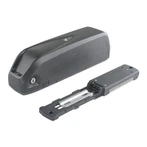
Lithium iron phosphate batteries (also known as lithium iron phosphate or LFP) are a type of lithium-ion battery. LiFePO4 represents a vast improvement over other battery chemistries, increasing safety, extending service life, and extending the optimal temperature range.
These properties make lithium iron phosphate batteries widely used in solar generators, backup energy systems and electric vehicles. This increase in popularity has resulted in significant price drops for products incorporating LFP.
Learn about the many advantages of LiFePO4 and why it outperforms other batteries in a variety of applications.
1.Longer life
LFP lasts longer than any other battery. Deep cycle lead-acid batteries may go through 100-200 cycles before their performance degrades and drops to 70–80% capacity. On average, lead-acid batteries will last around 500 cycles, while lithium-ion batteries may last 1,000 cycles.
By comparison, the 1990s LFP battery-powered Delta 2 portable power station had an EcoFlow cycle life of 3,000+ cycles before performance dropped to 80% of its original capacity. After this time, they will still function normally, but at a slightly reduced capacity.
2. Improve security
Lithium iron phosphate is a safer technology compared to lithium-ion batteries and other types of batteries. Specifically, they don't have the toxic fumes and exhaust issues associated with lithium-ion and lead-acid. LFP has improved technology to avoid these dangerous issues, using non-flammable electrolytes as part of the battery chemistry.
Lithium-ion batteries may experience thermal runaway, overheating, and combustion. Lead-acid batteries may produce toxic fumes such as hydrogen sulfide. These problems are harmful to safety and health.
Lithium iron phosphate batteries do not release gas like lead-acid batteries. You can safely store and operate LFP in your shed, garage, or home.
LiFePO4 batteries also do not use toxic chemicals or heavy metals in their chemical composition, making them safer to handle and dispose of. Without proper care, lead-acid batteries can leak harmful fluids.
The safety features of lithium iron phosphate batteries mean you can safely install the EcoFlow Power Kit in a tiny house or RV. In the past, solar cells and backup batteries had to be stored outdoors in a well-ventilated space to prevent any safety issues from harming the user. This is not the case with off-grid power solutions running on LFP.
3. Fast charging
LiFePO4 batteries charge faster than other battery types, typically in 1-2 hours using AC power and 3-6 hours using solar panels. Actual charging time depends on several factors, including battery capacity, current, and charging method.
Many portable power stations like the Delta Pro use lithium iron phosphate batteries. They come in a variety of charging options, including:
solar panel
AC wall socket
DC car charger
Electric Vehicle (EV) Station
Lithium iron phosphate batteries charge the fastest under optimal conditions. While the LFP still charges outside of its optimal operating temperature range, you run the risk of damaging the battery and shortening its life, which leads to the next point.
4.Wider operating temperature range
Lithium iron phosphate batteries have an operating temperature range of -4°F to 140°F (-20°C to 60°C). This temperature range allows them to perform well even in extremely cold or hot climates or conditions.
However, keeping your LFP battery within its optimal operating temperature range will ensure greater efficiency and longevity. For example, the RIVER2Pro Portable Power Station recommends storage and discharge temperatures between 14°F and 113°F (-10°C and 45°C). Its optimal operating temperature range is 68°F-86°F (20°C-30°C).
Operating any battery outside of the recommended temperature range will negatively affect its performance and lifespan. High temperatures will accelerate battery aging, reduce capacity, and increase the risk of thermal runaway. On the other hand, low temperatures reduce battery efficiency and capacity.
5. High energy density
LFP has higher energy density compared to other types of batteries. Energy density refers to the amount of energy a battery can store per unit volume or weight. The energy density of lithium iron phosphate batteries is about 130-140 Wh/kg, which is 4 times higher than the energy density of typical lead-acid batteries of 30-40 Wh/kg.
High energy density means portable power stations using LiFePO4 are lighter and more portable. For example, the Eco-Flower 2 weighs less than 8 pounds (3.6 kg) and has a battery storage capacity of 256 watt hours.
Some lithium-ion batteries have slightly higher energy density than lithium iron phosphate, but they also have safety issues and shorter lifespans.
6. Environmentally friendly
As mentioned earlier, lithium iron phosphate batteries last much longer than lithium-ion and lead-acid batteries. This means they need to be replaced far less often, reducing the number of batteries ending up in landfills.
Even if they eventually run out, investing in lithium battery recycling reduces the negative impact on the environment. Recycling allows internal components to be reused. Additionally, LFP batteries do not contain heavy metals and toxic substances (such as lead and cadmium) used in other types of batteries.
The lack of cobalt in LiFeP04 means they are more ethically sourced than traditional lithium-ion batteries, which must be made using nickel and cobalt. More than 70% and 90% of the world's cobalt comes from mines in the Democratic Republic of Congo.
Labor conditions in the mines of the Democratic Republic of the Congo are so inhumane, child labor is often used, and cobalt is sometimes called the "blood diamond of batteries."
The high efficiency of lithium iron phosphate batteries is also good for the environment. They require less energy to charge and discharge, reducing their impact on the environment.
The power solution is compatible with solar panels, potentially making the LFP more environmentally friendly by using clean, renewable solar energy to charge the batteries.
7. Low maintenance
LiFePO4 batteries have lower maintenance costs compared to other types of batteries. Lead-acid batteries require you to check the electrolyte level and refill it with distilled water. They're also picky when it comes to charge levels and storage conditions.
LFP batteries do not require any electrolyte or water level maintenance. You should certainly pay attention to important metrics like charge and discharge levels, voltage, and related data, but you shouldn't spend too much time caring for your battery.
With EcoFlow's LiFePO4 power supply solution, you can monitor and control battery usage anytime, anywhere via the EcoFlow app.
8. Low self-discharge rate
LFP batteries have lower self-discharge rates than lithium-ion and other battery chemistries. Self-discharge refers to the energy lost when a battery is idle.
Generally speaking, the monthly discharge rate of lithium iron phosphate batteries is about 2-3%. Lithium cobalt oxide (LiCoO2) and nickel cadmium (NiCad) batteries may release up to 20% of their energy per month when stored.
The low self-discharge rate makes LiFePO4 a home backup power system. These batteries can sit idle for months but still function during a power outage.
However, it's important to remember that all battery types will discharge over time, even if not used. Proper storage and maintenance of LiFePO4 batteries will ensure optimal performance and longevity.