


When it comes to e-bike batteries, Panasonic is often regarded as a premium choice. Many high-end electric bike brands rely on Panasonic cells, and riders frequently associate the name with safety, reliability, and long service life.
But does that mean Panasonic e-bike batteries are always better than other brands such as Samsung or LG?
Or is the answer more nuanced than a simple yes or no?
In this article, we take a technical and practical look at what really determines e-bike battery performance, where Panasonic excels, where other brands may be more suitable, and why the overall battery system design matters just as much as the cell brand itself.
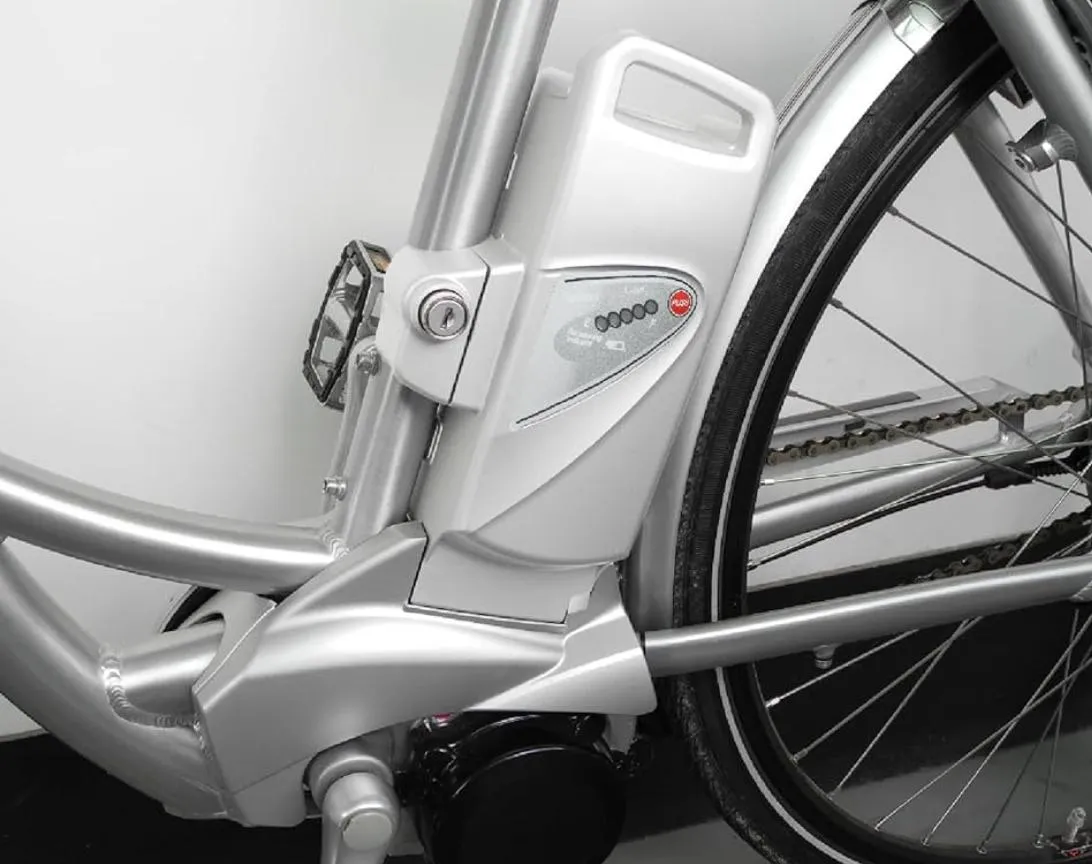
What Really Determines E-Bike Battery Performance?
Before comparing brands, it's important to clarify one key point:
An e-bike battery's performance is not defined by the label on the cells alone.
Battery Cells vs. Battery Packs
Panasonic, LG, and Samsung are cell manufacturers. They produce lithium-ion cells that are later assembled into battery packs by OEMs or third-party manufacturers.
The real-world performance of an e-bike battery depends on:
- The specific cell model
- How the cells are matched and assembled
- The Battery Management System (BMS)
- Thermal design and quality control
- Compatibility with the motor and controller
This is why two batteries using Panasonic cells can perform very differently in terms of range, safety, and lifespan.
Key Metrics That Matter
When evaluating e-bike batteries, these factors are far more important than brand name alone:
- Energy density – affects potential range
- Power output – influences acceleration and hill-climbing
- Cycle life – how well the battery retains capacity over time
- Consistency and safety – critical for daily use and fleet applications
Panasonic E-Bike Batteries - Strengths and Limitations
Where Panasonic Excels
Panasonic has earned its reputation for good reasons:
- Excellent long-term stability
Panasonic cells are widely known for retaining capacity well over many charge cycles.
- Strong manufacturing consistency
Tight quality control reduces variation between cells, which is important for balanced battery packs.
- Proven track record in OEM applications
Panasonic cells are commonly used in premium commuter and trekking e-bikes where reliability is prioritized over peak power.
These strengths make Panasonic particularly suitable for riders and manufacturers who value longevity and predictable performance.
Where Panasonic May Not Be the Best Choice
That said, Panasonic is not automatically the best solution for every application:
- Higher cost compared with some alternatives
- Not always optimized for very high discharge rates, which some performance-oriented e-bikes require
- Overkill for certain use cases, such as short urban commutes or cost-sensitive projects
In other words, Panasonic is excellent-but only when its strengths align with the intended use.
Panasonic vs Other Major E-Bike Battery Brands
Panasonic vs Samsung
- Samsung cells are often chosen for applications requiring higher power output and faster acceleration.
- Panasonic focuses more on stability and cycle life.
Best fit:
- Samsung → high-torque e-MTBs, cargo bikes
- Panasonic → commuter, touring, long-term reliability projects
Panasonic vs LG
- LG is widely regarded as a balanced option, offering a mix of energy density, power, and cost efficiency.
- Panasonic tends to emphasize durability and aging resistance.
Best fit:
- LG → versatile, all-round e-bike designs
- Panasonic → lifespan-focused designs
Quick Comparison Overview
Below is a comparison of leading cell technologies and system approaches based on current industry data:
|
Brand |
Energy Density (Wh/kg) |
C-rate / Power Output |
Cycle Life (to ~80%) |
Main Advantages |
Main Drawbacks |
Best Suited For |
|
Panasonic |
~250–270 |
Medium-High |
800–1500+ |
Longevity, stability, safety |
Higher cost, counterfeits common |
Long-distance commuting / touring |
|
Samsung |
~250–260 (e.g. 50E/50G) |
High (9.8A+ continuous) |
500–1000 |
Strong torque, good value, thermal performance |
Slightly shorter cycle life |
e-MTB, steep hills, aggressive riding |
|
LG |
~260–270 (e.g. M50/M58T) |
Balanced |
800–1200+ |
Consistency, balanced performance |
Slightly heavier |
Everyday heavy-duty commuting |
|
Bosch |
System-optimized |
High (smart BMS) |
Long (pack-level) |
Seamless integration, durability |
Expensive, proprietary |
Riders using full Bosch systems |
Why Cell Brand Alone Doesn't Define Battery Quality
Many battery discussions stop at cell brands-but this overlooks critical system-level factors.
The Role of BMS Design
A well-designed BMS controls:
- Overcharge and over-discharge protection
- Temperature monitoring
- Short-circuit and current protection
- Cell balancing
Even premium cells can underperform or degrade quickly if paired with a poorly designed BMS.
Assembly, Testing, and Quality Control
The same Panasonic cells can deliver:
- Long, safe service life in a well-built pack
- Or inconsistent performance in a poorly assembled one
Manufacturing discipline matters just as much as cell selection.
Safety and Compliance for US & EU Markets
For riders and OEMs in the US and Europe, compliance is critical:
- UL, CE, UN38.3, and transport safety standards
- Real testing-not just labels
A compliant battery system is the result of engineering, not branding.
So, Are Panasonic E-Bike Batteries Really Better?
Best Scenarios for Panasonic-Based Batteries
Panasonic-based batteries are often an excellent choice when:
- Long service life is a priority
- The bike is used daily for commuting or touring
- Reliability matters more than peak power
- Fleet or commercial usage demands consistency
When Other Brands May Be a Better Fit
Other brands may be more suitable when:
- High power output is required
- Cost sensitivity is critical
- Custom performance tuning is needed
The key takeaway is simple:
"Better" depends entirely on how and where the battery is used.
GEB Provides High-Performance Alternatives to Panasonic E-Bike Batteries
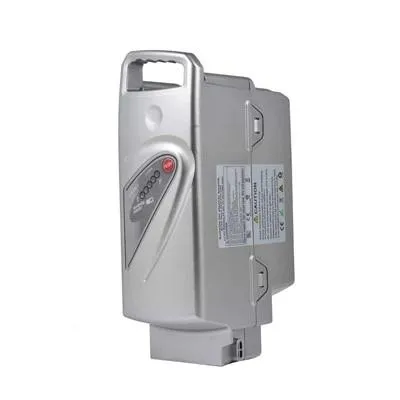
Panasonic battery cells are widely recognized as an industry benchmark. However, original Panasonic battery packs are often expensive and, in some cases, limited in capacity. For riders using Panasonic 26V (25.2V) systems, a high-quality compatible replacement battery can deliver performance comparable to-or even exceeding-that of the original pack, at a more attractive price.

GEB specializes in the design and development of high-performance, cost-effective e-bike batteries. The GEB-PAN-E25.2B is a Panasonic-compatible replacement battery engineered specifically for Panasonic e-bike systems. Built with premium Li-ion 18650 cells (2600mAh), this battery offers a high nominal capacity of 20.8Ah, delivering extended range for daily commuting or touring-nearly twice the range of many standard original batteries.
Key Features
- High-density 18650 cells combined with a comprehensive Battery Management System (BMS)
- Compatible with Panasonic 26V drive systems (North Flyer, KTM, Raleigh, and more)
- Large capacity: 20.8Ah / 524Wh
- Cell type: Premium Li-ion 18650 (2600mAh)
- Safety: Multi-level BMS protection, including temperature and short-circuit sensors
Contact us today to learn more about custom and wholesale battery solutions, or to request a free sample. Email: sales@gebattery.co
Final Thoughts
Panasonic e-bike batteries are undoubtedly among the best options available-but they are not universally superior in every scenario.
The real determinants of battery quality are:
Thoughtful system design
Proper cell selection
Robust BMS implementation
Careful manufacturing and testing
For riders and OEMs alike, the smartest choice is not asking which brand is best, but rather:
Which battery solution best fits the intended application?
When that question is answered correctly, performance, safety, and longevity naturally follow.
FAQs
How far can a typical Panasonic e-bike battery go on one charge?
Usually 40–80+ miles, depending on capacity, terrain, rider weight, and assist level.
How can I tell if a "Panasonic" battery is genuine?
Look for UL certification marks, traceable sourcing from authorized distributors, and avoid suspiciously low prices.
Will the GEB-PAN-E25.2B work with my Panasonic system?
Yes-it is specifically engineered for 26V (25.2V) Panasonic drive units (North Flyer, KTM, Raleigh, etc.). Contact us to verify your exact model.
Does upgrading to a higher-capacity battery harm the motor?
No-the GEB-PAN-E25.2B matches voltage and includes protective BMS to ensure safe, compatible operation.


