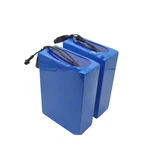
As electric bikes gain popularity, riders often ponder various modifications to enhance performance. One common question is: can you put a 36V battery on a 24V bike? This query is not only intriguing but also critical for ensuring safety and optimal functioning. In this article, we will delve into the intricacies of battery compatibility, installation, performance implications, and best practices.
Understanding Battery Basics
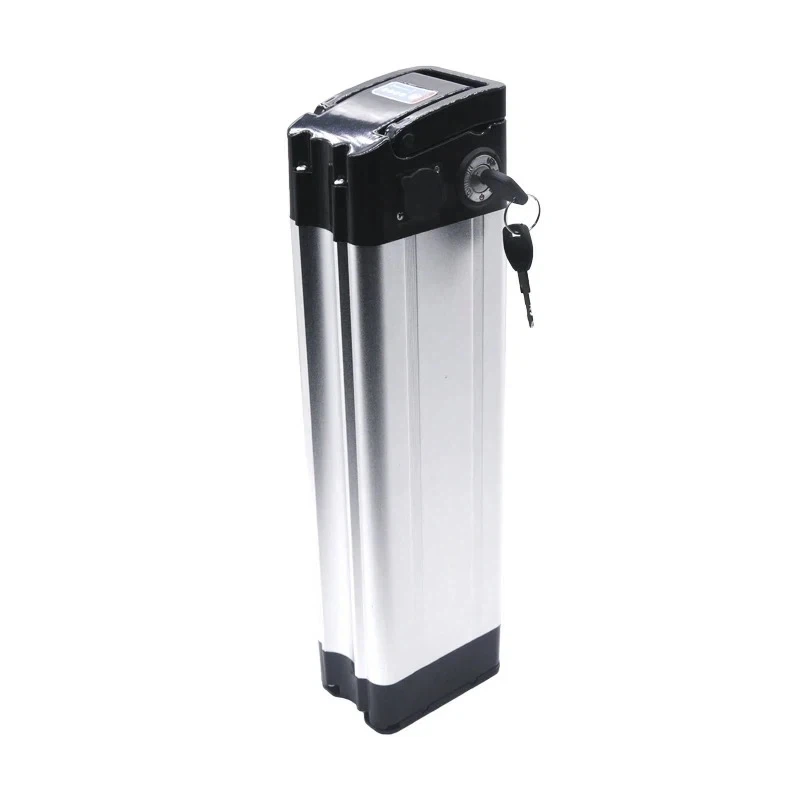
Before addressing the compatibility question, it's essential to understand what voltage means in the context of electric bike batteries. E-bike batteries typically come in various voltages, with 24V and 36V being among the most common. The voltage of a battery directly affects the power output, speed, and overall performance of the bike.
A 24V E-bike battery typically provides a lower power output compared to a 36V battery. This difference means that while a 24V bike may be suitable for leisurely rides on flat terrains, a 36V battery can deliver more power, enabling higher speeds and better performance on inclines.
Compatibility Analysis: 36V Battery on a 24V Bike
The primary concern when considering the installation of a 36V battery on a 24V bike is compatibility. E-bike systems comprise various components, including the battery, motor, and controller, which all must work in harmony.
Motor Compatibility: The motor of a 24V bike is designed to operate within a specific voltage range. Using a 36V battery can lead to excessive voltage, potentially damaging the motor over time. This could manifest as overheating, reduced lifespan, or complete failure.
Controller Limitations: The controller is responsible for regulating power flow from the battery to the motor. A 24V controller may not be equipped to handle the higher voltage from a 36V battery. This mismatch can lead to erratic performance or even system failure.
Wiring and Connectors: The wiring in a 24V E-bike may not be rated for the increased current that a 36V battery can supply. This situation poses a risk of overheating and could lead to electrical fires if not appropriately managed.
Installation Process: What to Consider
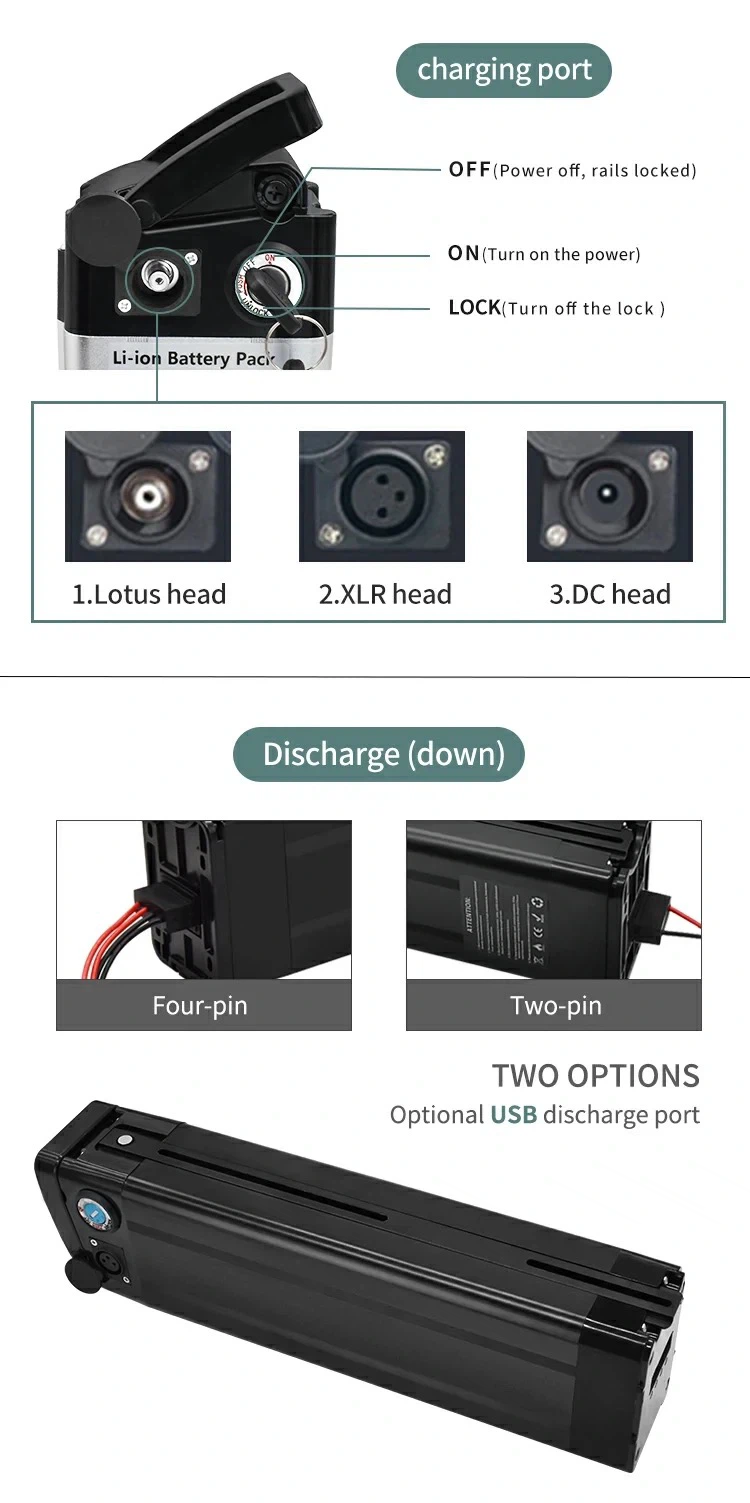
If you decide to proceed with installing a 36V battery on your 24V bike, it's crucial to approach the task carefully:
Check Compatibility: Ensure that your bike's motor and controller can handle the increased voltage. Consult the manufacturer or a knowledgeable technician.
Tools Required: Gather the necessary tools, including screwdrivers, pliers, and possibly a multimeter for testing.
Safety First: Disconnect the battery before starting any installation. Always wear safety gear and work in a well-ventilated area.
Wiring Adjustments: You may need to upgrade the wiring or connectors to handle the increased voltage and current. Ensure all connections are secure to prevent shorts.
Test the Setup: After installation, test the bike in a safe environment. Monitor for any unusual behavior such as excessive heat, strange noises, or poor performance.
Performance Implications
Installing a 36V battery on a 24V bike can significantly impact performance, but not always positively. Here's what you can expect:
Speed Increase: A 36V battery will likely allow the bike to reach higher speeds. However, this might not be feasible if the motor and controller are not designed for it.
Increased Torque: Riders might experience better acceleration and climbing ability due to the higher voltage. Yet, this could strain components not rated for the increased load.
Potential for Damage: The most significant risk is damaging the bike's electrical system. Over time, components could fail due to the stress of operating outside their designed specifications.
Battery Life: Running a battery outside its optimal range can reduce its lifespan, leading to premature failures.
User Experiences and Case Studies
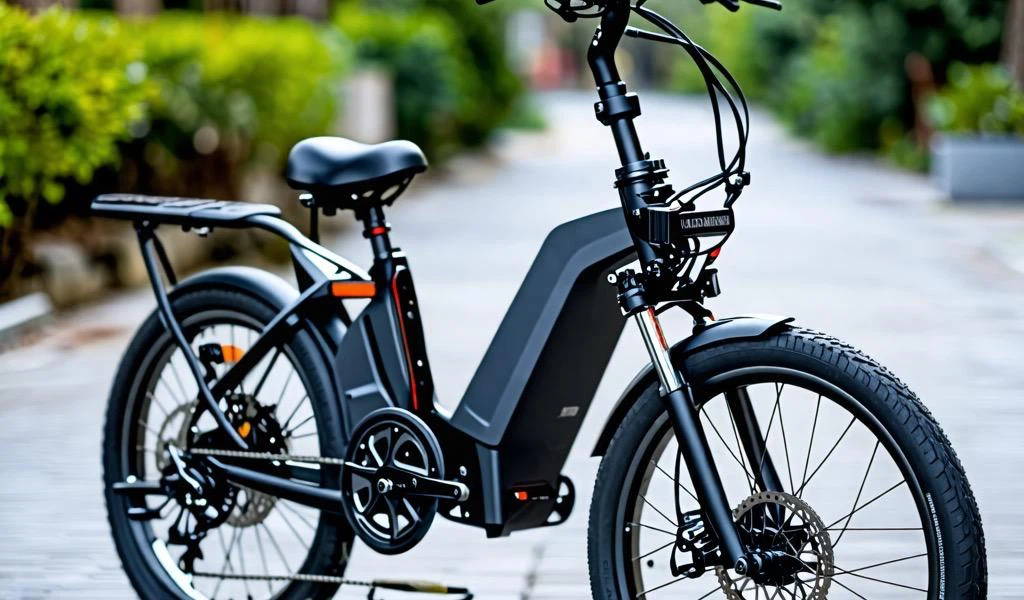
Real-world experiences from users who have attempted this modification vary widely. Some report improved performance and enhanced riding experiences, while others face serious issues:
Positive Feedback: Some users have successfully used 36V batteries on 24V bikes by upgrading their controllers and ensuring compatibility. They report better speed and climbing ability, especially on hilly terrains.
Negative Experiences: Conversely, many users experience overheating motors and controllers, leading to costly repairs. In some cases, bikes became unsafe to ride after modifications.
These contrasting experiences highlight the importance of understanding the risks involved. It's vital to conduct thorough research and consult with experts before making any significant changes.
Best Practices and Recommendations
If you are considering using a 36V battery on a 24V bike, here are some best practices to follow:
Consult Experts: Always seek advice from knowledgeable technicians or manufacturers before proceeding. Their insights can prevent costly mistakes.
Consider Upgrades: If you want to use a 36V battery, it may be more beneficial to upgrade the entire system (motor, controller, and wiring) to ensure compatibility.
Perform Regular Maintenance: Keep an eye on your bike's performance and conduct regular maintenance to identify any potential issues early.
Safety Over Speed: While it may be tempting to increase speed and performance, prioritize safety. If the modifications pose a risk, reconsider your options.
Explore Alternatives: If you're looking for better performance, consider investing in a bike designed for a 36V battery. This approach may ultimately save you time and money in the long run.
Conclusion
In conclusion, while it is technically possible to install a 36V battery on a 24V bike, the risks and potential complications often outweigh the benefits. Ensuring compatibility between all components is crucial for safe and optimal performance. If you choose to make such modifications, do so with caution and a thorough understanding of the implications. Ultimately, prioritizing safety and proper functionality will lead to a more enjoyable riding experience.
With the right knowledge and preparation, you can navigate the complexities of E-bike modifications, ensuring that your ride remains both thrilling and safe.
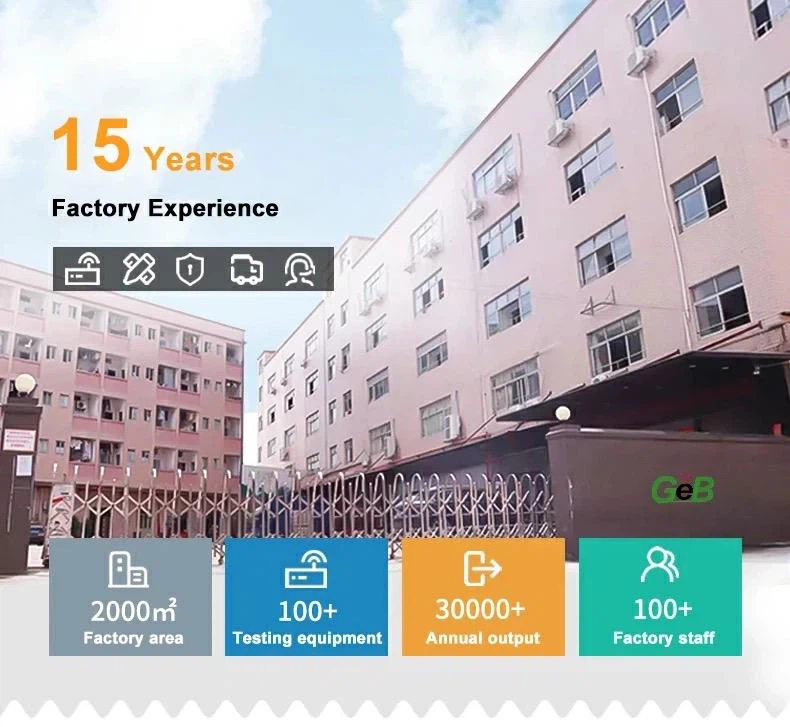
Find a quality electric bike battery supplier
GEB, a brand under General Electronics Technology Co., LTD, is a leading manufacturer of lithium batteries for electric bicycles, established in 2009 in Shenzhen. With over 180 employees and annual sales exceeding $30 million, GEB stands out in the industry as a source battery cell manufacturer. We enable direct transactions with clients, eliminating intermediaries to provide competitive pricing while ensuring quality and stable supply. Our comprehensive capabilities include advanced PACK design and assembly, supported by a complete supply chain, allowing us to deliver turnkey solutions tailored to your projects, ultimately saving you costs and simplifying your operations.