


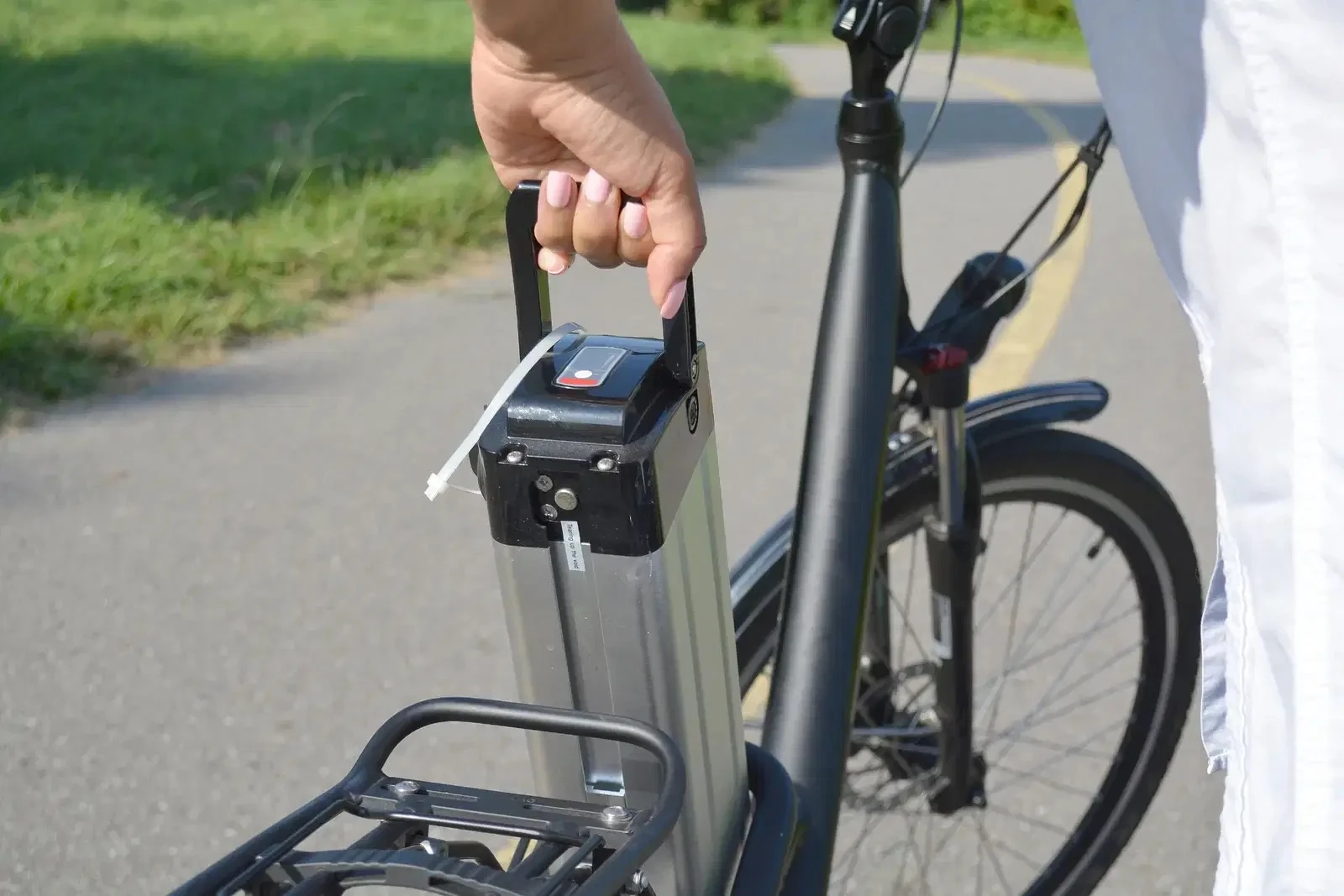
For electric bicycles, the battery is one of the most important components, affecting all aspects of the bike's speed and distance. In this article, as a professional E-bike battery manufacturer, I will delve into how electric bicycle batteries work, explain the importance of voltage matching with bicycle systems, and explore the risks and practicalities of using 24V batteries on 36V e-bikes. Whether you are a user who wants to understand battery principles or upgrade electric bicycle accessories or a buyer looking for a quality battery manufacturer, I believe this article will give you the perfect answer.
Understanding Battery Voltage and E-Bike Performance
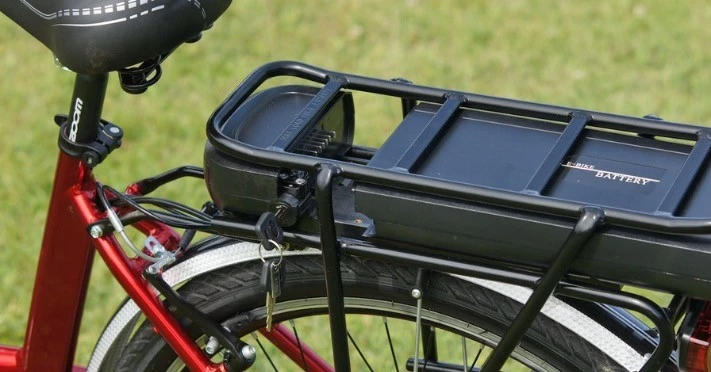
When discussing e-bike batteries, the first thing we need to understand is voltage. In simple terms, voltage is the electrical potential difference between two points in a circuit, which is responsible for driving the flow of electrical current. For e-bikes, the voltage of the battery determines how much power the motor can receive and how efficiently the bike can perform.
Here's a breakdown of how voltage affects e-bike performance:
- Higher Voltage = More Power: A higher voltage means the battery can deliver more power to the motor, which translates into faster speeds and better overall performance. So, a 36V battery is more powerful than a 24V battery, enabling quicker acceleration and a higher top speed.
- Range: Higher voltage systems (like 36V) are typically paired with larger battery capacities, giving you a longer range before needing to recharge. The increased voltage allows for more efficient energy consumption, allowing you to travel further on a single charge.
- Motor Power and Performance: The motor's power is also influenced by the voltage of the battery. For instance, a 36V motor will run more efficiently and with more power than a 24V motor. The 36V system can provide faster speeds and more consistent performance, especially under load or on inclines.
While the specific characteristics of an e-bike's performance depend on a combination of voltage, battery capacity, and motor type, the general rule is: the higher the voltage, the better the performance.
Can You Use a 24V Battery on a 36V E-Bike?
Now, the big question: Can you use a 24V battery on a 36V e-bike? The short answer is no, at least not without significant compromises and potential risks.
Why It Doesn't Work
E-bike systems are designed to operate within specific voltage ranges. A 36V e-bike motor and controller are calibrated to work with 36V power, which is essential for the motor to operate at its optimal speed and efficiency. When you plug in a 24V battery, you're introducing a voltage mismatch that the motor and controller are not designed to handle. Here's what happens when you try to use a 24V battery:
- Underperformance: The 24V battery simply doesn't provide enough power to the 36V motor, which means your bike will struggle to operate properly. The motor may not function at all, or if it does, it will be underpowered, resulting in sluggish acceleration and possibly no movement at full throttle.
- Controller Issues: The e-bike's controller, which manages the power distribution between the motor and battery, is also designed for 36V. Using a 24V battery could cause the controller to malfunction, as it's not receiving the correct input voltage. This could lead to erratic behavior, overheating, or even permanent damage to the system.
- Reduced Range and Speed: If the system somehow operates with the 24V battery (with a significantly underperforming motor), the range will be drastically reduced, and the bike's top speed will be much lower than expected.
What Happens If You Try?
If you attempt to use a 24V battery on a 36V e-bike, you are essentially running the risk of damaging your motor and controller, potentially shortening the lifespan of the bike and making it unsafe to ride. The motor will not be able to perform at its optimal levels, and if left unchecked, could lead to overheating or even failure. In some cases, the controller might completely shut down, preventing the bike from operating at all.
In summary, a 24V battery is not compatible with a 36V e-bike system without significant risks and performance degradation. This is why it's crucial to match the voltage of the battery to your bike's motor and controller specifications.
Possible Workarounds
While it's clear that using a 24V battery on a 36V e-bike isn't ideal, some might wonder if there are any workarounds that could make this setup work. In theory, you could attempt to use a 24V battery with a 36V motor, but the result would be far from optimal. Here's a closer look at the potential "solutions" and why they don't quite work:
Using a DC-DC Converter
A DC-DC converter is a device that can step up or step down voltage, allowing a lower voltage battery (like 24V) to power a system designed for higher voltage (like 36V). While it may sound like a viable option, there are several drawbacks:
- Efficiency Loss: DC-DC converters tend to lose a portion of the energy during the conversion process. This means the efficiency of the bike will suffer, and the overall range will decrease.
- Limited Power Output: Even with a converter, you'll still be limited by the power output of the 24V battery. The bike may run, but it won't be able to provide the power or speed that a 36V battery could offer. You'll experience sluggish acceleration and much lower top speeds.
- Potential Overload: A DC-DC converter can only handle so much power. If you push your e-bike too hard, the converter might overheat or malfunction. You risk damaging your motor, controller, and the converter itself.
In short, while a DC-DC converter can make a 24V battery work on a 36V system, it's a temporary and inefficient solution that should be avoided for long-term use.
Upgrading the Motor or Controller
Another possible workaround would be to upgrade your e-bike's motor or controller to a 24V version that matches the battery. This would technically allow you to use a 24V battery, but it's not a cost-effective or practical option if you already have a 36V system in place.
- Costly and Complicated: Replacing the motor and controller is not a simple task. You would need to make sure that every component is compatible with a 24V system, which could involve additional modifications to your e-bike. This would be both costly and time-consuming.
- Underperformance: Even after upgrading, you would still be trading off performance, as a 24V system will never provide the same power, speed, or range as a 36V system.
Conclusion on Workarounds
While these workarounds might make a 24V battery work on a 36V e-bike in very specific circumstances, they come with numerous drawbacks that make them impractical. The best course of action is always to match the battery voltage with the motor and controller specifications to ensure the best performance, longevity, and safety.
Why It's Important to Match Battery Voltage
Now that we've seen how using a 24V battery on a 36V e-bike can cause issues, let's explore why it's so crucial to match the voltage of the battery with the motor and controller. This is not just a technical detail - it's a matter of safety, performance, and longevity.
Optimal Performance
Each e-bike system is designed with specific voltage parameters in mind. The motor, controller, and battery work together in harmony, with the controller regulating the power that's sent to the motor. When you use a battery with an incompatible voltage, you disrupt this balance, leading to reduced power output, lower speeds, and less efficient battery use.
A 36V system is designed to take full advantage of the available power to give you faster speeds, greater acceleration, and a longer range. If you switch to a 24V battery, your motor won't receive enough power to perform optimally, and the e-bike's performance will be significantly compromised.
Preventing Damage
One of the most important reasons for matching the battery voltage with the motor and controller is protecting the components. If you use a 24V battery on a 36V system, the controller may overheat or fail because it's designed to handle higher voltage. The motor might struggle to operate, leading to increased wear and tear and possibly permanent damage to both the motor and controller.
Matching the battery voltage ensures that the system is protected from these issues, reducing the chances of breakdowns or expensive repairs.
Ensuring Safety
Using an incompatible battery voltage can also compromise the safety of the e-bike. An underpowered battery could cause the motor to overheat, potentially leading to fires or other dangerous malfunctions. By using the correct voltage, you help to ensure that your e-bike operates within its designed safety limits, giving you peace of mind as you ride.
Extended Battery Life
When you use the proper voltage, the battery can discharge and recharge more efficiently, leading to longer cycle life. Batteries that are overworked or underpowered tend to degrade faster, meaning you'll have to replace them sooner. By matching the voltage, you maximize the lifespan of both the battery and the other components.
Common Misunderstandings About E-Bike Batteries
Even with all the information about battery voltage and e-bike performance, there are still some common misconceptions that riders have about e-bike batteries. Let's clear up a few:
1. Higher Voltage Always Means Better Battery Life
It's easy to assume that a higher voltage means more range or a longer-lasting battery. While it's true that higher-voltage batteries tend to offer more power and faster speeds, capacity (Ah or amp-hours) and efficiency are just as important as the voltage. A 36V 10Ah battery will generally provide more range than a 24V 15Ah battery simply because the 36V battery has a higher energy output.
2. All Lithium Batteries Are the Same
Not all lithium-ion batteries are created equal. There are different types of lithium cells (e.g., lithium iron phosphate (LiFePO4), ternary lithium), each with its own advantages and disadvantages. A higher-quality battery (using premium cells like Samsung, Panasonic, or LG) will perform better and last longer than a cheaper, lower-quality battery.
3. You Can Charge Any Battery With Any Charger
Not all e-bike chargers are compatible with every battery. It's important to use a charger that matches the voltage and chemistry of your specific battery. Using an incorrect charger can lead to poor charging performance or even battery damage.
4. You Can Swap Batteries With Different Voltages
This is the exact misconception we're addressing. Batteries with different voltages are not interchangeable. Using a 24V battery on a 36V bike will cause significant issues, including poor performance, possible damage, and safety risks.
Conclusion
In conclusion, using a 24V battery on a 36V e-bike is generally not advisable. While there are theoretical workarounds, they come with significant limitations and risks, such as reduced performance, inefficient power usage, and potential damage to key components like the motor and controller. The key takeaway here is the importance of matching your battery's voltage with that of your e-bike's motor and controller to ensure the best performance, safety, and longevity of your system.
By using a battery that is specifically designed for your e-bike's voltage system, you not only maximize the bike's performance but also protect your investment in both the bike and its components. Remember, the right voltage combination ensures smoother rides, optimal power delivery, and a longer-lasting, safer e-bike experience.
For the best results, always make sure to select the battery that matches your e-bike's specifications. This isn't just about enhancing performance-it's also about ensuring you can enjoy your ride without worrying about potential damage or failures down the road.

GEB's Product Recommendations
At GEB, we understand the critical role that a well-matched battery plays in the performance and safety of your e-bike. With over a decade of expertise in lithium battery technology and a robust product portfolio, we offer high-quality, reliable, and efficient battery solutions tailored to meet your specific needs.
Our Recommended Products for Your E-Bike:
36V Ebike Battery Packs: If you're looking for a reliable and high-performance 36V battery for your e-bike, our range of 36V lithium-ion battery packs is the perfect choice. With advanced ternary lithium cells, long cycle life (up to 1000 cycles), and the ability to support up to 1C discharge currents, these batteries will provide the power and range you need for a smooth, powerful ride.
Available in various configurations from 7Ah to 20Ah for different riding needs.
48V Battery Packs: For e-bikes requiring more power, our 48V battery packs deliver exceptional performance with longer ranges and higher speeds, catering to high-performance riders who demand power without compromise.
Configurations from 10Ah to 20Ah ensure there's a battery for every rider, whether you need an extra boost for long-distance rides or quick acceleration.
Custom Solutions: At GEB, we also provide OEM/ODM solutions for customers with specific requirements. Whether you need a unique battery pack design or custom configurations, our expert team is ready to assist you in creating the perfect battery for your e-bike.
Why Choose GEB?
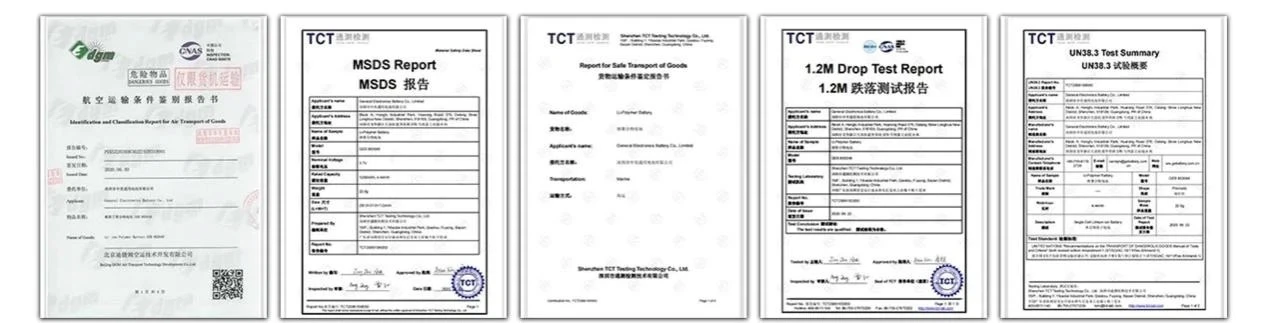
High-Quality Cells: We use premium-grade cells from trusted manufacturers like Samsung, Panasonic, and LG, ensuring high reliability, consistent performance, and longer battery life.
Advanced Technology: Our batteries feature advanced thermal management systems, offering better safety and reliability during long rides or tough conditions.
Full Supply Chain Control: With a complete upstream and downstream supply chain, GEB ensures that our batteries are manufactured, tested, and delivered under strict quality controls, allowing us to offer competitive pricing and quick turnaround times.
Customer Support: We offer 1-year warranty coverage and excellent after-sales support, ensuring your peace of mind when you invest in GEB batteries for your e-bike.
Get in Touch with GEB Today!
If you're in the market for a new battery for your e-bike, or if you have specific questions about voltage compatibility and performance, GEB is here to help. We're committed to providing you with top-quality products and personalized service to ensure your e-bike experience is smooth, safe, and enjoyable. Contact us today for more information, a quote, or to discuss your custom requirements. ( sales@gebattery.co )


