Electric scooters have become an incredibly convenient mode of transportation for many, especially in urban environments. We can effortlessly zip through the streets, enjoying the ease and freedom, particularly when covering short distances. However, one aspect that often goes unnoticed is the battery. What happens when the battery runs out?
Typically, we recharge the Electric scooter battery to restore its power, which is how it functions. But have you ever wondered, if we didn't have a battery, how else could we power an electric scooter? While this may seem impossible, it is not as complicated as it might appear. Electric scooters do not solely depend on batteries. Some possible alternatives and solutions could provide power to an electric scooter without using a battery.
In this article, I will explore some of these alternative power sources and see how we can power an electric scooter when the battery is unavailable.

Basic Components and Working Principles of an Electric Scooter
Before delving into how we can power an electric scooter without a battery, it's important to understand how the scooter works in the first place. An electric scooter, as the name suggests, consists of three key components: the battery, the motor, and the electronic control system. These three parts work together to ensure the scooter operates smoothly.
Battery
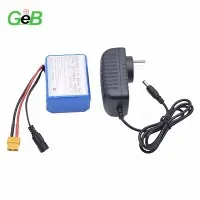
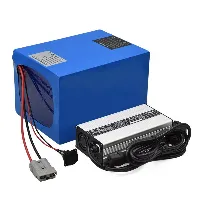
The battery is the "heart" of the electric scooter, providing the necessary energy for the motor. Most electric scooters use lithium-ion batteries, which are favored for their small size, light weight, high charging efficiency, and ability to provide ample power for the scooter to operate over extended periods. The battery works in tandem with the electronic control system to regulate the flow of electricity to the motor.
Motor
The motor is the power source that drives the electric scooter forward. Common motor types used in electric scooters include brushless DC motors (BLDC) and brushed motors. Brushless motors are widely used because they are more efficient, cause less wear and tear, and produce less noise. The motor's power determines the scooter's speed and climbing ability.
Electronic Control System
The electronic control system acts as the "brain" of the electric scooter. Its job is to regulate the speed and strength of the current flowing from the battery to the motor. By adjusting the current, the control system helps the scooter accelerate, decelerate, and maintain a stable ride.
In summary, the battery delivers electrical energy through the control system to the motor, which then drives the scooter forward. When the battery is depleted, the scooter loses its power and needs to be recharged to resume operation.

Alternative Power Sources Without a Battery
Since the battery is so crucial to an electric scooter's functionality, how can we provide power to the scooter without one? In fact, there are several alternative power sources that could be considered. While these methods are not as commonly used as batteries, they do offer potential solutions in certain scenarios.
1) Using an External Power Source
This might sound unusual, but in reality, electric scooters can be powered by an external power source. This method is similar to how we provide electricity to power tools. You could connect the scooter to a direct current (DC) power supply or even to mains electricity to power the motor.
The major issue with this method, however, is portability. A power cord significantly limits the scooter's mobility. Additionally, voltage matching is another technical challenge. Without the right adapters or current regulation system, too high or too low a voltage could damage the scooter's control system. So, while an external power source could offer temporary power for the scooter, it cannot serve as a long-term solution.
2) Using Pedal-Assisted Power
Another alternative to using a battery is incorporating pedal-assisted power. This method doesn't rely entirely on the electric motor but combines manual pedaling with electric assistance. Essentially, the rider can pedal the scooter to provide some power. While this method isn't as convenient as an entirely battery-powered scooter, it can be helpful when the battery runs out.
Moreover, some hybrid electric scooters have already been developed, where the scooter still uses pedal power after the battery runs out, helping the rider to reach their destination. This hybrid approach provides a more versatile solution but relies on the rider's physical effort.
3) Using Fuel Cells or Other Energy Sources
For those looking to completely avoid the use of a battery, hydrogen fuel cells may be an interesting alternative. Although this technology is still in its early stages of development, it has already been applied to electric cars and other electric vehicles. A hydrogen fuel cell generates electricity through the reaction of hydrogen and oxygen, and this electricity can be used to power the motor.
However, hydrogen fuel cell technology is still in the experimental phase and not yet widespread. It is expensive, and hydrogen refueling stations are not widely available. Additionally, fuel cells tend to be bulkier and heavier than lithium-ion batteries, which could affect the overall design and handling of the scooter. Therefore, while this technology holds promise, it is not yet a viable option for mainstream electric scooters.
Advantages and Disadvantages of Alternative Power Sources
Now that we've explored some of the alternative power sources for electric scooters, it's time to break down the pros and cons of each method. While these alternatives can provide power when a traditional battery is not available, they come with their own set of challenges and limitations.
1) External Power Source
Advantages:
Immediate power supply: If you're near a power outlet, you can quickly connect your scooter to an external power source, which could allow you to continue using the scooter for short distances.
No need for battery maintenance: This eliminates the need for traditional battery charging and maintenance, which is a common concern for many scooter owners.
Disadvantages:
Limited mobility: The biggest downside is the lack of portability. Your scooter would be tethered to a power source, making it impractical for most users who need to move freely.
Potential damage to the control system: As mentioned earlier, if the voltage from the external power source is mismatched, it could harm the scooter's motor or control system.
Safety risks: Constantly plugging in a scooter to an external power supply, especially in outdoor environments, could pose safety hazards, such as electrocution or tripping hazards.
2) Pedal-Assisted Power
Advantages:
No reliance on external electricity: This is a truly independent power source, as it relies on human effort, making it ideal when the battery is completely drained or unavailable.
Improves fitness: Pedaling adds an element of exercise, which could be appealing for riders looking to combine physical activity with their commute.
Increased range: The combination of electric and human power can potentially extend the scooter's range, allowing you to travel longer distances even without full battery power.
Disadvantages:
Physical effort required: While this method is sustainable, it requires the rider to exert energy, which can be tiring, especially for those who aren't physically prepared.
Limited power: Pedal power cannot replace the convenience and speed that a fully charged battery can offer, making it less viable for longer journeys or for users who need to travel faster.
Not ideal for all users: Pedal-assisted scooters may not be suitable for people with mobility impairments or those who prefer a completely electric, effort-free ride.
3) Fuel Cells or Other Energy Sources
Advantages:
High energy efficiency: Hydrogen fuel cells and other alternative energy technologies can offer a more efficient power solution than traditional batteries, potentially providing longer ranges with less weight.
Environmental benefits: Hydrogen fuel cells, for example, produce water as a byproduct, making them more environmentally friendly compared to traditional battery-powered scooters, which rely on lithium mining and recycling processes.
Potential for longer travel distances: Once the infrastructure for refueling hydrogen-powered scooters becomes more widespread, this could lead to significantly longer travel distances compared to conventional battery-powered options.
Disadvantages:
High cost and limited availability: Fuel cell technology is expensive, and the infrastructure for refueling hydrogen or other alternative energy sources is not yet developed on a large scale.
Weight and bulk: Fuel cells and associated equipment are generally heavier and bulkier than batteries, which could affect the scooter's handling and portability.
Technological maturity: While hydrogen fuel cells are promising, they are still in the experimental or early adoption stages. The technology has not yet been scaled to a point where it is practical for everyday consumer use.

Technical Challenges in Modifying an Electric Scooter
Now that we've identified potential power alternatives, the next challenge is the technical feasibility of modifying an electric scooter to support these solutions. This isn't a simple plug-and-play process, and several technical obstacles must be addressed.
1) Voltage and Current Matching
Whether using an external power source or a fuel cell, matching the voltage and current requirements of the scooter's motor and control system is crucial. Electric scooters typically use 24V, 36V, or 48V systems, and any power source providing incorrect voltage could cause irreparable damage to the motor or the control circuitry.
Special adapters or voltage regulators would be required to ensure compatibility, and in some cases, custom modifications to the scooter's internal electronics might be necessary.
2) Space and Weight Constraints
Electric scooters are designed with specific weight and size limits in mind. Adding additional components, such as an external power source or a fuel cell, could increase the weight of the scooter, making it less portable and more difficult to handle.
For example, fuel cells and external battery packs are often larger and heavier than traditional lithium-ion batteries, which could significantly impact the scooter's maneuverability and overall design.
3) Power Management System Integration
The power management system of an electric scooter is designed to control how the battery delivers energy to the motor. Introducing a different power source would require significant changes to this system.
If we were to use an external power supply, for instance, we'd need a sophisticated power controller to ensure that the motor receives a stable and regulated power input. Likewise, if integrating a fuel cell, the scooter's power controller would need to be compatible with hydrogen fuel cell outputs.
4) Safety and Durability
Adding new power sources could affect the overall safety and durability of the scooter. Whether it's an external power connection or a fuel cell, any modification could potentially affect the structural integrity of the scooter, especially if not properly engineered.
Battery-powered scooters undergo rigorous testing for safety, but non-traditional power systems may not have the same level of scrutiny. Ensuring the scooter remains safe to ride would require careful design, rigorous testing, and possibly certification from relevant authorities.
Conclusion
In conclusion, while there are viable alternatives to powering an electric scooter without a traditional battery, each comes with its own set of challenges and limitations. External power sources can provide immediate power but lack mobility; pedal-assisted power is a great backup but requires physical effort and doesn't offer the same performance as electric power; and hydrogen fuel cells hold potential for the future but are still not practical for widespread use.
Technically, modifying an electric scooter to work with any of these power sources would involve overcoming significant hurdles such as voltage matching, space limitations, and power management integration. Additionally, safety and durability concerns would need to be addressed, making the process of conversion quite complex.
Ultimately, while it is possible to explore alternative power solutions, the most practical, efficient, and widely available method of powering an electric scooter remains through a traditional battery. However, as technology advances, we may one day see alternative power sources become mainstream, offering more sustainable and versatile options for electric scooters in the future.

About GEB
At GEB, we understand that the heart of every electric scooter is its battery. Since 2009, we've been dedicated to crafting high-end, safe, and reliable lithium batteries, setting the industry standard with our focus on lithium iron phosphate technology. Our unique plastic shell technology not only ensures superior safety due to its natural insulation and chemical resistance, but it also enhances low-temperature charging performance.
With over 180 skilled professionals and annual sales surpassing 30 million US dollars, GEB has become a trusted leader in the electric scooter battery market. Our batteries have never caused a safety incident, a testament to the quality and reliability we stand behind.
When you choose GEB, you're choosing more than just a battery-you're choosing a partner committed to safety, performance, and innovation. Trust the brand that powers the future of electric transportation. Choose GEB today and experience the difference!(