


What is Lithium Iron Phosphate Battery?
Lithium iron phosphate (LiFePO4) batteries, commonly known as LFP batteries, have emerged as a transformative solution in the energy storage landscape. As the demand for portable energy sources grew, the need for safer and more stable battery technologies became increasingly evident. Early lithium-ion batteries, while efficient, faced significant challenges, including the risk of thermal runaway-a situation in which a battery overheats and can potentially catch fire or explode. This concern prompted researchers to explore alternative chemistries, ultimately leading to the development of LFP batteries.
Introduced in the early 1990s, LFP batteries were specifically designed to address several limitations associated with traditional lithium-ion batteries, such as safety concerns, environmental impact, and longevity. LFP batteries utilize iron phosphate as the cathode material, which provides enhanced thermal stability and safety compared to conventional lithium-ion batteries that often use cobalt or nickel compounds. As a quality battery manufacturer, we have been focusing on the research and development of high-end safe lithium batteries since the establishment of the GEB plant in 2009, and we have never changed the technical route of lithium iron phosphate batteries. There has never been a safety incident caused by our batteries. So what is the lithium iron phosphate battery, and what is the difference between it and traditional lithium-ion batteries, this article will introduce you in detail
Comparing Lithium Iron Phosphate and Lithium-Ion Batteries
Safety
LFP batteries utilize iron phosphate as the cathode material, which offers enhanced thermal stability and safety compared to conventional lithium-ion batteries that often use cobalt or nickel compounds. The stable structure of iron phosphate prevents the release of oxygen during thermal events, which is a common cause of thermal runaway in other lithium-ion batteries. This inherent stability allows LFP batteries to maintain their structural integrity under extreme conditions, significantly reducing the risk of catastrophic failure. This innovation represents a substantial leap forward in battery technology, combining efficiency with improved safety.
Cycle Life
Cycle life is crucial for any battery application. LFP batteries typically offer a longer cycle life than conventional lithium-ion batteries due to their more stable chemical composition and resistance to degradation. The robust structure of iron phosphate allows LFP batteries to withstand more charge and discharge cycles without significant capacity loss. This longevity means that users of electric bicycles can enjoy a dependable power source without the frequent need for battery replacements, ultimately saving money over time.
Energy Density
While LFP batteries excel in safety and longevity, they generally have a lower energy density compared to other lithium-ion batteries, such as nickel manganese cobalt (NMC) batteries. This can result in a heavier battery pack for electric bicycles, which may impact performance slightly. However, for many users, the benefits of safety and longevity outweigh the downsides of a marginally heavier battery.
Discharge Rate
The discharge rate is vital for electric bicycles, particularly during acceleration. LFP batteries can deliver a consistent discharge rate, ensuring that users experience smooth acceleration without compromising safety. This characteristic is especially important for cyclists who require reliable performance in various riding conditions.
Environmental Impact
LFP batteries are often seen as more environmentally friendly compared to traditional lithium-ion batteries. Their production processes utilize less harmful materials, such as cobalt and nickel, which are commonly found in conventional lithium-ion batteries. The extraction and processing of these metals can cause significant environmental damage and raise ethical concerns. In contrast, LFP batteries rely on iron phosphate, which is abundant and less toxic, resulting in a lifecycle that produces fewer toxic byproducts. This aligns well with the increasing consumer preference for eco-friendly products.
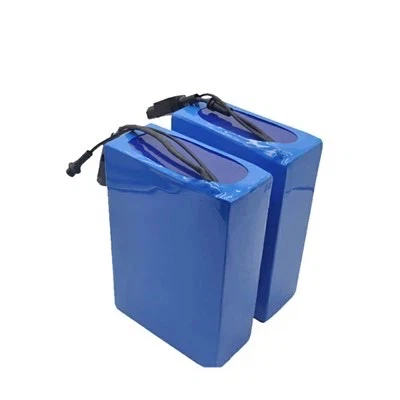
Summary: Advantages of Lithium Iron Phosphate Batteries
LFP batteries offer numerous advantages that make them an ideal choice for electric bicycles:
- Enhanced Safety: With a significantly lower risk of thermal runaway, they provide peace of mind for users.
- Extended Lifespan: Their long cycle life means fewer replacements, which is both cost-effective and convenient.
- Reliable Performance: Consistent discharge rates ensure optimal performance on the road, enhancing the riding experience.
- Sustainability: Their environmentally friendly materials and processes contribute to a greener future.
Choosing the Right Electric Bicycle Battery
When selecting a battery type for electric bicycles, it's essential to consider various factors, including capacity, weight, and discharge rate. LFP batteries are particularly well-suited for riders prioritizing safety and longevity. While they may be slightly heavier due to their lower energy density, the trade-offs in terms of performance, safety, and lifecycle costs make them an attractive option.

Lithium iron phosphate (LFP) Applications
Lithium iron phosphate (LFP) batteries have found widespread applications across various sectors, thanks to their unique properties that make them particularly suitable for demanding environments. Here are some of the key areas where LFP technology is being effectively utilized:
1. Electric Vehicles (EVs)
LFP batteries are increasingly being adopted in electric vehicles, where safety and longevity are paramount. Their ability to withstand high temperatures and resist thermal runaway makes them an ideal choice for automotive applications. Leading manufacturers are incorporating LFP batteries into their EV models, providing consumers with a safe and reliable power source that often results in longer battery life compared to traditional lithium-ion batteries.
2. Electric Bicycles
In the rapidly growing electric bicycle market, LFP batteries are favored for their durability and safety. They offer a stable energy supply, allowing for smoother acceleration and better performance in various terrains. The longer cycle life of LFP batteries means that e-bike users can enjoy prolonged usage without frequent replacements, making them a cost-effective solution for riders.
3. Renewable Energy Storage
As the world increasingly shifts towards renewable energy sources, LFP batteries play a crucial role in energy storage systems. Their high cycle life and safety make them ideal for storing energy generated from solar panels and wind turbines. By providing a reliable means of storing renewable energy, LFP batteries help stabilize the grid and ensure a continuous power supply during fluctuations in energy generation.
4. Industrial Applications
LFP batteries are utilized in various industrial applications, including forklifts, automated guided vehicles (AGVs), and uninterruptible power supplies (UPS). Their ability to deliver consistent power over extended periods makes them suitable for heavy-duty applications where reliability is critical. Additionally, the lower environmental impact of LFP batteries aligns with the sustainability goals of many industries.
5. Consumer Electronics
While LFP batteries are not as common in consumer electronics as other lithium-ion chemistries, they are gradually making inroads into this sector. Their safety and thermal stability make them an appealing choice for devices that require high reliability, such as power tools and portable electronic devices. As the demand for safer battery technologies continues to grow, LFP batteries may become more prevalent in this market.
6. Backup Power Systems
LFP batteries are increasingly used in backup power systems, providing emergency power for homes and businesses during outages. Their long lifespan and safety features make them suitable for critical applications, ensuring that essential services remain operational even in emergencies.
7. Electric Public Transport
Many public transportation systems are transitioning to electric buses and trains, where LFP batteries are playing a significant role. The safety and reliability of LFP batteries make them an attractive option for electric public transport, contributing to reduced emissions and a cleaner urban environment.

Development Trends of Lithium Iron Phosphate Battery Technology
As the demand for sustainable energy solutions continues to grow, lithium iron phosphate (LFP) battery technology is poised for significant advancements. Here are some key trends expected to shape the future of LFP batteries:
1. Enhanced Energy Density
While LFP batteries are known for their safety and longevity, one area of ongoing research is improving their energy density. Innovations in material science and battery design aim to increase the amount of energy stored in LFP cells without compromising safety. This improvement could enhance the performance of electric vehicles and other applications by providing longer ranges and reducing weight.
2. Recycling and Sustainability
As LFP batteries become more widespread, the focus on recycling and sustainable practices will intensify. Developing efficient recycling methods for LFP batteries will be crucial to minimize waste and recover valuable materials. Advances in recycling technologies will not only support environmental sustainability but also help reduce the costs associated with raw material sourcing.
3. Integration with Renewable Energy Systems
The integration of LFP batteries with renewable energy systems, such as solar and wind power, will likely become more prevalent. As energy storage becomes essential for stabilizing the grid and managing energy supply fluctuations, LFP batteries will play a crucial role in large-scale energy storage systems. This trend aligns with global efforts to transition to greener energy sources.
4. Cost Reduction
Ongoing research and development efforts are aimed at reducing the manufacturing costs of LFP batteries. As production processes become more efficient and economies of scale are achieved, the overall cost of LFP technology is expected to decline. This reduction will make LFP batteries more accessible for a broader range of applications, including consumer electronics and residential energy storage.
5. Smart Battery Management Systems
Advancements in battery management systems (BMS) will enhance the performance and safety of LFP batteries. Smart BMS technology will enable better monitoring and management of battery health, improving lifespan and reliability. Integration with IoT (Internet of Things) solutions will allow for real-time data analysis, optimizing charging cycles and ensuring safety.
6. Growing Market Adoption
As awareness of the benefits of LFP batteries continues to spread, their adoption across various industries will increase. The shift towards electric vehicles, renewable energy storage, and other applications will drive demand for LFP technology. This trend will likely lead to greater investment in research, development, and production capabilities.
7. Collaboration and Innovation
Collaboration among manufacturers, researchers, and policymakers will foster innovation in LFP battery technology. Partnerships aimed at addressing technical challenges, such as energy density and recycling, will accelerate advancements and create a more sustainable battery ecosystem.
8. Expansion into New Applications
The versatility of LFP batteries will lead to their expansion into new applications beyond traditional uses. Emerging markets, such as electric aviation, marine applications, and advanced robotics, may increasingly adopt LFP technology due to its safety and reliability.
FAQ
What is the difference between LFP batteries and other lithium-ion batteries?
LFP batteries are generally safer and offer a longer cycle life compared to traditional lithium-ion batteries. However, they typically have a lower energy density, resulting in a heavier battery pack.
Are LFP batteries suitable for high-performance electric bicycles?
Yes, LFP batteries can deliver reliable discharge rates, making them suitable for various performance requirements in electric bicycles.
How long do LFP batteries last?
Typically, LFP batteries can last over 2,000 cycles, offering a longer lifespan compared to many other lithium-ion battery types.

How do I buy the best lithium iron phosphate electric bike battery?
At General Electronics Battery, we specialize in the research and development of high-end safety lithium batteries, unwaveringly committed to the lithium iron phosphate (LFP) technology route. Our products have never been involved in safety incidents, earning us an excellent reputation among domestic and international clients. As a direct manufacturer of battery cells, we enable you to engage directly with us, eliminating intermediaries and PACK factories. This approach ensures you receive competitive pricing while guaranteeing the quality and stability of our battery supplies. We are dedicated to providing safe and reliable lithium battery solutions specifically designed for electric bicycles.

Hailong Ebike Battery 36V 48V Lithium Batteries
Our Hailong lithium-ion battery is designed for high performance and safety, featuring an advanced 30A BMS that ensures stable voltage output while protecting against overcharging, over-discharging, and short circuits. Each battery undergoes rigorous quality control, offering 800-1000 charge cycles and a lifespan of up to 5 years. Remarkably, after 800 cycles, the battery retains at least 80% of its original capacity, thanks to stringent testing and a robust construction with a CNC-machined cell holder, ensuring safety, stability, and long-term performance.
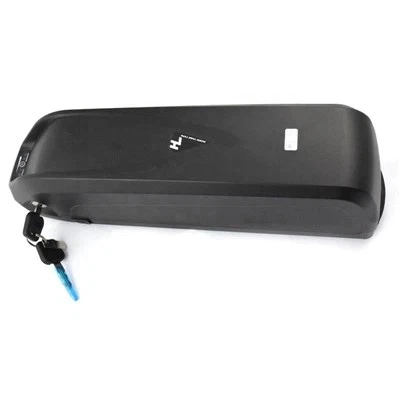
The Hailong Battery 48V 20Ah offers high capacity for prolonged usage, featuring compact dimensions of 37811090mm for efficient setup and area utilization. Weighing approximately 4.5kg, it boasts an excellent energy-to-weight ratio and holds CE certification, ensuring compliance with safety and quality standards. Designed for durability, it provides consistent performance over time and is easily portable for convenient handling and transport. This versatile battery is ideal for electric bicycles, scooters, and various electric vehicles, supporting outdoor activities, urban commuting, campus transport, last-mile transportation, and commercial use. It enhances personal mobility and recreational activities, contributing to efficient and sustainable transportation solutions.


