Electric bikes (e-bikes) are rapidly gaining popularity as a sustainable mode of transportation, combining the benefits of cycling with the convenience of electric power. Central to their performance is the battery, and among the options available, the 48V battery stands out. But is it the best choice for your needs? In this article, we'll delve into the characteristics of 48V batteries, compare them with other common voltages, and explore their suitability for various riding scenarios.
Understanding Electric Bike Battery Voltages
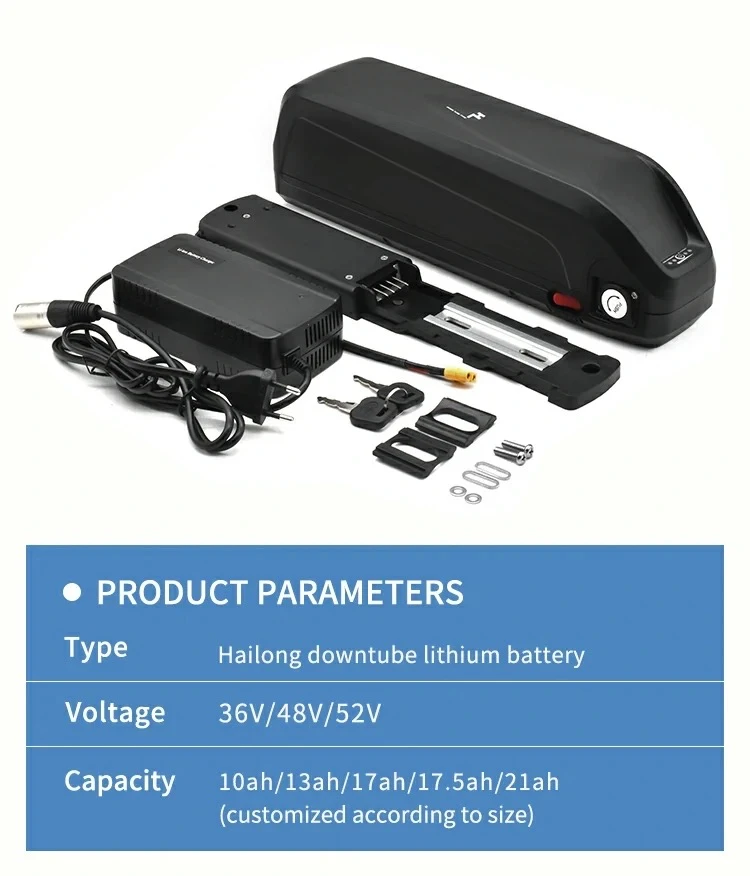
Electric bike batteries typically come in different voltages, with 36V, 48V, and 52V being the most common. Each voltage level affects the bike's performance, speed, and range differently.
36V Batteries
Suitable for: Light commuting and urban cycling.
Performance: While providing decent power for casual riding, 36V batteries may struggle on steep hills or longer distances.
Advantages: Generally lighter and less expensive, making them ideal for casual riders who prioritize cost and weight over speed.
48V Batteries
Suitable for: A broad range of applications, from daily commuting to recreational riding.
Performance: Offers significantly higher power output, allowing for increased speeds and better acceleration. This is especially beneficial on inclines and during long rides.
Advantages: Balances weight and performance, making it a versatile choice for most riders. Ideal for those who need both efficiency and speed.
52V Batteries
Suitable for: High-performance riding, including mountain biking and competitive cycling.
Performance: Provides maximum power, excelling in steep climbs and long-distance rides.
Advantages: Best for riders seeking high speed and performance, although it often comes with a higher weight and price.
In-Depth Comparison: Which Battery is Right for You?
Here's a comparative overview to help you make an informed decision:
|
Battery Voltage |
Speed |
Hill Climbing |
Weight |
Cost |
Ideal Use |
|
36V |
Moderate |
Good |
Light |
Low |
Urban commuting |
|
48V |
High |
Excellent |
Moderate |
Moderate |
Versatile use, commuting, recreational |
|
52V |
Very High |
Outstanding |
Heavy |
High |
High-performance riding, racing |
Pros and Cons of Each Battery Type
36V Battery
Pros: Lightweight, cost-effective, suitable for short trips.
Cons: Limited power for steep hills or long distances, less acceleration.
48V Battery
Pros: Enhanced speed and power, excellent climbing ability, good range.
Cons: Heavier than 36V, typically more expensive.
52V Battery
Pros: Top performance, ideal for serious riders, great for challenging terrains.
Cons: Heaviest option, highest cost, might require more maintenance.
Applications and Recommendations
City Commuting:
Recommended Battery: 36V or 48V.
These batteries provide adequate power for short trips, making them perfect for navigating urban traffic efficiently. A 36V battery is lighter and less costly, but a 48V battery offers better performance for slightly longer commutes.
Mountain Riding:
Recommended Battery: 48V or 52V.
Riders tackling steep terrains will benefit from the increased power and torque provided by a higher voltage. A 48V battery strikes a good balance for most mountain riders, while a 52V battery is ideal for serious enthusiasts who prioritize performance.
Long-Distance Commuting:
Recommended Battery: 48V.
With a good balance of power and range, a 48V battery ensures that you can cover longer distances without frequent recharges, making it suitable for daily use.
Heavy Loads:
Recommended Battery: 48V.
When carrying cargo or extra passengers, a 48V battery provides the necessary power to maintain performance without compromising speed or efficiency.

Key Factors to Consider When Choosing an E-Bike Battery
1. Riding Style
Consider how you plan to use your e-bike. If you'll be using it primarily for casual rides around the city, a 36V or 48V battery may suffice. For more demanding applications like mountain biking or long-distance commutes, a 48V or 52V battery is advisable.
2. Terrain
Think about the type of terrain you'll be riding on. Hilly areas require a battery that can deliver higher power output, making 48V or 52V batteries more suitable.
3. Weight and Portability
If you need to carry your bike or lift it frequently, consider the weight of the battery. A lighter battery (like a 36V) may be beneficial, but ensure it meets your performance needs.
4. Budget
Assess your budget. While 48V batteries are generally more expensive than 36V options, they often provide better value in terms of performance and longevity. Investing in a quality battery can enhance your riding experience.