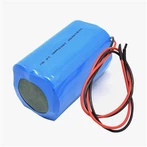
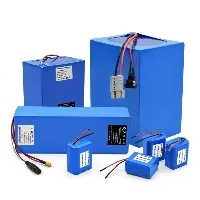
A 48V 15Ah e-bike battery is a common specification widely used in electric bicycles designed for urban commuting or short-distance leisure rides. However, if you're planning a long-distance trip, you might wonder: how long can a 48V 15Ah e-bike battery last?
As a professional battery design and manufacturing expert, I'm very familiar with the characteristics of 48V 15Ah lithium batteries. In this guide, I will answer that question and provide insights I hope you'll find useful.
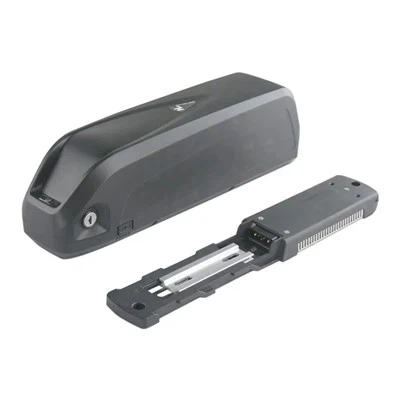
What Exactly Is a 48V 15Ah E-Bike Battery?
A 48V 15Ah e-bike battery is one of the most balanced configurations in the electric bicycle market, offering a strong mix of range, power, and overall riding versatility.
The "48V" refers to the battery's nominal voltage, which influences the motor's power delivery and efficiency. Higher voltages like 48V allow for smoother acceleration, stronger torque, and better hill-climbing performance compared to lower-voltage systems (e.g., 36V). Voltage also affects battery voltage and performance stability, especially under load.
The "15Ah" stands for ampere-hours-a measure of the electric bicycle battery capacity. It represents how much charge the battery can hold, and when combined with voltage, determines the total stored energy. Using the formula:
Watt-hours (Wh) = Voltage (V) × Amp-hours (Ah)
we calculate: 48 × 15 = 720 Wh (0.72 kWh). This figure is critical for range estimation, as it quantifies the total available energy.
In practical terms, a well-built lithium-ion e-bike battery of this size generally lasts 3 to 5 years or about 800 to 1,000 full charge cycles before capacity drops below roughly 80% of its original value. At that point, you'll notice reduced range and power output, although the battery may still be usable. Premium cells and good e-bike battery care can keep performance more stable over time.
Typical Range of a 48V 15Ah E-Bike Battery
So, how far can a 48V 15Ah e-bike battery go on a single charge? Under typical real-world conditions, you can expect a range of 40–65 km (25–40 miles) with moderate pedal assist. For riders on flat, smooth terrain at a steady pace of around 25 km/h (15 mph), the range can exceed 60 km. Conversely, heavy throttle use, steep inclines, or carrying extra weight can bring range down to around 40 km or less.
For context, industry and field testing suggest the following estimates for a 720Wh battery based on average energy consumption:
|
Energy Consumption (Wh/mile) |
Estimated Range |
|
15 (low effort, flat terrain, high pedal assist) |
~48 miles |
|
20 (moderate conditions) |
~36 miles |
|
27 (average mixed-use conditions) |
~26–27 miles |
|
30 (hilly terrain, heavy throttle) |
~24 miles |
These numbers translate to roughly 2–4 hours of continuous riding for most users. Importantly, these are average values-local terrain, wind, riding style, and weather impact on e-bike batteries will cause real-world variation.
Key Factors Influencing the 48V 15Ah Battery Range
Even with a fixed capacity, 48V 15Ah battery range is far from a constant-it is shaped by a range of mechanical, environmental, and behavioral factors. As a battery engineer, I've seen how each of these plays a role:
1. Motor Power and Efficiency
Higher-wattage motors consume more energy, especially at sustained high speeds or during steep climbs. For example, a 500W motor may reduce range by up to 40% compared to a 300W motor under similar conditions.
2. Terrain and Riding Conditions
Flat asphalt roads allow for optimal efficiency, while hilly or off-road terrain can cut range by 20–50% due to increased torque demand.
3. Rider Weight and Load
Heavier riders or carrying additional cargo increases energy draw, potentially lowering range by 10–30%.
4. Assist Level and Riding Style
Lower pedal-assist settings extend range, while frequent full-throttle use drains the battery faster. Smooth acceleration and maintaining a consistent cadence (50–70 RPM) improve efficiency.
5. Temperature and Weather
Batteries perform best at 15–24°C (59–75°F). Cold weather can reduce available capacity by 20–30%, while extreme heat accelerates cell aging.
6. Tire Pressure and Rolling Resistance
Underinflated tires increase rolling resistance, forcing the motor to work harder. Maintaining the recommended PSI can noticeably improve range.
These variables not only affect how far you can travel on a single charge but also influence long-term battery health, underscoring the importance of proper riding habits and maintenance routines.
Lifespan of a 48V 15Ah E-Bike Battery
From an engineering perspective, the lifespan of a 48V 15Ah lithium-ion e-bike battery is best measured not in years alone, but in charge cycles-the number of full discharge-and-recharge sequences it can endure before its capacity noticeably degrades. For a high-quality pack built with premium cells, this typically falls in the range of 800 to 1,000 full cycles, which translates to approximately 3 to 5 years of regular use for most riders.
Once a battery approaches the end of this cycle life, its maximum capacity will usually have dropped to 70–80% of its original level. In real terms, that means a ride that once comfortably covered 60 km might now only deliver 45–50 km under similar conditions.
The actual 48V 15Ah battery lifespan can vary significantly depending on care, riding patterns, and environmental exposure. Frequent full discharges, prolonged storage at 0% charge, or repeated operation in extreme temperatures will accelerate cell degradation. Conversely, proper lithium-ion e-bike battery maintenance-such as avoiding deep discharges below 20%, keeping the battery charged regularly, and storing it in moderate conditions-can extend usable life well beyond average figures.
How to Extend the Lifespan of a 48V 15Ah E-Bike Battery
Protecting your investment in a 48V 15Ah electric bike battery starts with consistent, informed maintenance. As a battery designer, I can confirm that small changes in handling and charging habits compound over time, preserving both range and overall health. Here are the most effective practices:
1. Avoid Deep Discharge
Do not routinely drain the battery below 20% state of charge. Lower voltage levels increase stress on individual cells.
2. Optimize Charging Habits
Keep the battery between 20–80% for daily use. Reserve full charges for long rides. Charging regularly, even after short trips, helps prevent capacity loss.
3. Use the Correct Charger
Always charge with a manufacturer-approved unit that matches the specified amperage. Incorrect chargers can overheat cells or trigger premature aging.
4. Store Smartly
For long-term storage, maintain a charge level between 40–60% and keep the battery in a cool, dry place. Avoid direct sunlight or sub-freezing conditions.
5. Mechanical Efficiency Matters
Maintain optimal tire pressure to reduce rolling resistance. Regularly check drivetrain condition, as mechanical drag translates to higher energy demand.
6. Riding Behavior
Start with low assist levels on flat terrain, using higher modes only when needed. Smooth acceleration and consistent cadence reduce current spikes.
7. Periodic System Checks
Some e-bike systems benefit from occasional BMS (Battery Management System) recalibration to maintain accurate state-of-charge readings.
By combining these practices, riders can significantly slow capacity fade, keeping the 48V 15Ah e-bike battery range per charge closer to its original specification for years.
FAQs
How long will a 48V 15Ah battery last per charge?
Under typical conditions, expect 40 to 65 miles (about 2–4 hours of riding) on a single charge, depending on terrain, rider weight, and assist level.
Can extreme weather damage the battery?
Yes. Both high heat and freezing temperatures accelerate degradation and temporarily reduce available capacity.
Is fast charging harmful?
Occasional fast charging is fine, but frequent use can slightly reduce long-term lifespan.
How long does it take to charge a 48V 15Ah battery?
With a standard charger: 4–6 hours.
With a 2A charger: 7–8 hours.
With a 4A charger: 3.5–4 hours.
How does capacity affect range?
For comparison:
- 48V 13Ah battery → 30–50 miles
- 48V 20Ah battery → 50–80 miles
- 48V 10Ah battery → 20–40 miles
- 48V 30Ah battery → 90–130 miles
Conclusion
In summary, a 48V 15Ah e-bike battery delivers a dependable balance between range, power, and service life. Riders can expect 30–65 miles per charge and 3–5 years of effective use, provided they follow good maintenance habits and avoid the common pitfalls that shorten battery life.
Understanding how far a 48V 15Ah electric bike battery can go and how many years a 48V 15Ah battery lasts empowers you to match your e-bike's capabilities to your riding needs. By accounting for real-world conditions and implementing e-bike battery care tips, you can maximize both enjoyment and value from your battery investment.
For those seeking replacements or upgrades, choosing a reputable supplier is essential. High-quality options with premium cells and robust BMS protection ensure not only optimal performance but also enhanced safety. Alongside 48V e-bike batteries, many suppliers also offer compatible scooter batteries, forklift batteries, golf cart batteries, and toy car batteries to cover diverse mobility needs.