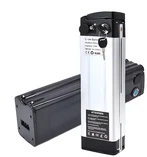
In recent years, with the development of battery technology, the overall performance of electric bicycles has been greatly improved. However, more and more people are concerned about the safety of batteries. Keeping e-bike batteries healthy is crucial to ensuring optimal performance, longer riding distances and overall safety. Whether you're commuting to work or enjoying a leisurely bike ride, an unhealthy battery can lead to reduced range, slower charging, and even safety hazards. In this comprehensive guide, we will discuss how to self-check electric bicycle battery safety with you.

1. Understanding Electric Bicycle Battery Health
Electric bicycle battery health, often referred to as the State of Health (SOH), is a measure of the battery's ability to store and deliver energy compared to its original capacity. A healthy battery ensures consistent power output, longer range, and shorter charging times. However, several factors can deteriorate battery health over time, including:
Overcharging and Over-discharging: Frequently charging your battery beyond 100% or letting it drop to 0% can strain its cells, reducing its overall lifespan.
Temperature Extremes: Both high and low temperatures can negatively affect battery performance and longevity.
Physical Damage or Faulty Connections: Damaged battery cells or loose connections can lead to erratic behavior and pose serious safety risks.
Understanding these factors is crucial, as they directly impact your e-bike's performance and safety. Now, let's dive into the practical methods to check the health of your battery.
2. How to Check Electric Bicycle Battery Health
A. Using the Battery Management System (BMS)
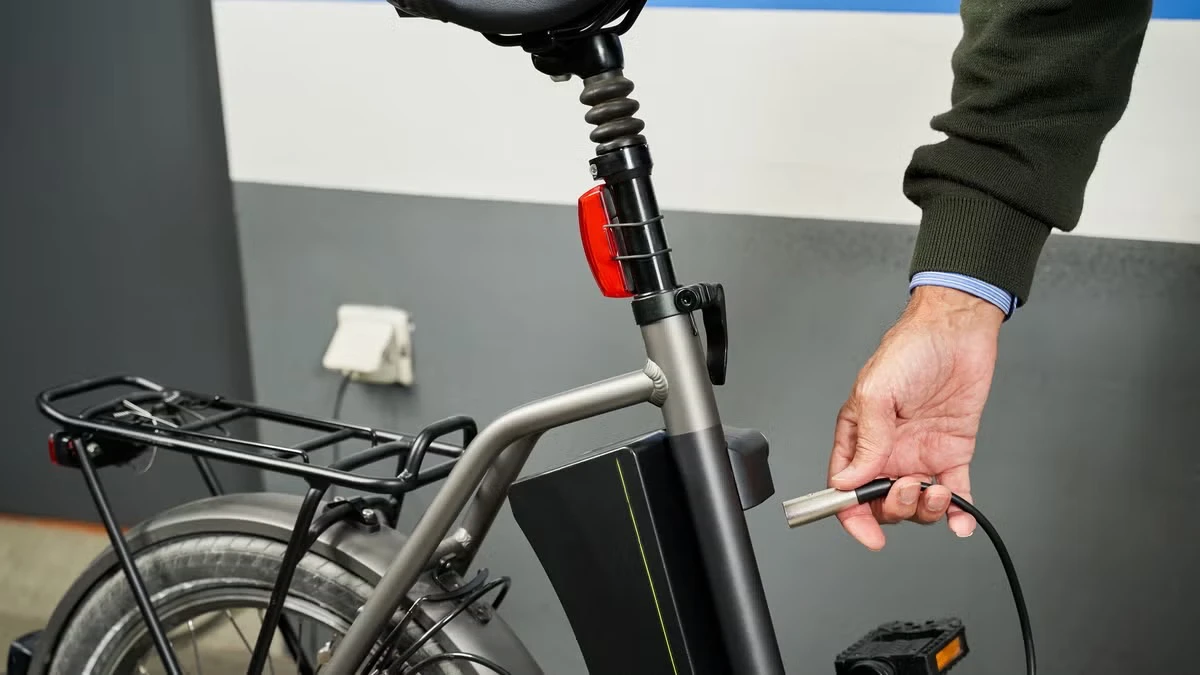
Modern electric bicycle batteries come equipped with a Battery Management System (BMS), a built-in electronic system that monitors the status of the battery. The BMS tracks various parameters such as voltage, current, temperature, and charge cycles, providing valuable insights into the battery's health. Here's how you can use it:
Step 1: Connect to the BMS: Most e-bike batteries can be connected to a smartphone app via Bluetooth, where you can access the BMS data. Some batteries have displays on the bike's console that directly show health metrics.
Step 2: Review Key Metrics: Check the battery's current capacity compared to its original capacity. For example, if a 500Wh battery now only holds 400Wh, it's operating at 80% of its original health.
Step 3: Analyze Error Codes or Warnings: The BMS may also provide error codes if the battery experiences issues like high temperature or voltage irregularities. Understanding these codes can help you pinpoint specific health problems.
Using the BMS is one of the easiest ways to monitor battery health without needing extra equipment, making it a convenient option for most users.
B. Manual Measurement Methods
For those who prefer hands-on approaches, manual testing can provide deeper insights into your battery's condition. Here are some common methods:
Voltage Testing with a Multimeter:
What it Does: A multimeter measures the battery's voltage, helping you assess whether the battery is within a healthy range.
How to Use It: Set the multimeter to the DC voltage setting, connect the probes to the battery terminals, and compare the reading with the battery's rated voltage. Consistently low readings could indicate a problem.
Capacity Testing with a Battery Load Tester:
What it Does: A load tester checks the battery's ability to hold and deliver charge under load, simulating real-world conditions.
How to Use It: Fully charge the battery, then connect it to the load tester, which will discharge the battery while measuring the actual capacity. This value can then be compared to the battery's rated capacity.
Internal Resistance Testing:
What it Does: Measures the resistance within the battery cells. Higher resistance often indicates cell degradation.
How to Use It: Use an internal resistance meter, which applies a small current to the battery and measures the voltage drop to calculate resistance. High resistance suggests that the battery may struggle to deliver power effectively.
Manual methods offer precise data but usually require some basic understanding of electrical measurements. They're best suited for those who are technically inclined or who want to conduct a thorough health check.
C. Using Smartphone Apps and Specialized Devices
Several apps and dedicated battery testers are designed specifically for e-bike batteries. These devices often provide user-friendly interfaces and can offer quick diagnostics without the technical steps involved in manual testing. Popular devices include:
Smartphone Apps: Many brands have proprietary apps that sync with your battery to provide real-time health diagnostics.
Dedicated Battery Testers: Devices like the Smart Battery Checker can plug directly into your battery, offering a quick health report.
3. Maintenance Tips After Checking Battery Health
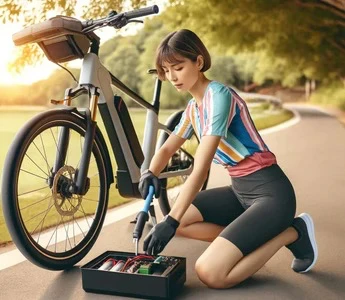
After evaluating the health of your battery, you might find areas that need attention. Here's what you can do to maintain or enhance your battery's condition:
A. Tips for Extending Battery Life
Avoid Extreme Temperatures: Store and charge your battery in a cool, dry place. Avoid charging it immediately after a long ride when it's hot.
Charge Regularly but Avoid Overcharging: Aim to keep your battery between 20-80% charge. Avoid leaving it plugged in overnight.
Check Connections Regularly: Loose or corroded connectors can cause performance issues. Clean them regularly and ensure they are securely fastened.
Balance Charge if Possible: Some advanced chargers allow for balance charging, which equalizes the charge across all cells, helping maintain overall battery health.
B. When to Consider Replacing Your Battery
Capacity Drops Below 70%: If your battery's capacity consistently falls below 70% of its original, it may be time to consider a replacement.
Persistent Error Codes: Frequent error codes from the BMS or signs of physical swelling could indicate that the battery is no longer safe to use.
Short Ride Distances: If your bike can't seem to hold a charge long enough for your needs, a new battery could be a safer and more reliable option.