


Maintaining electric bicycle batteries is crucial for extending their lifespan and optimizing performance. One important maintenance task is equalization charging. This process is essential for managing battery health and performance, but how often should it be done? Let's explore the science behind battery equalization, its benefits, and how frequently different types of e-bike batteries require it.

1. What is Equalization Charging?
Equalization charging, or equalization charge, is a controlled overcharge applied periodically to batteries to balance the charge across all cells. This process is especially critical for addressing acid stratification in lead-acid batteries, where varying acid concentration levels can lead to sulfation and reduced battery efficiency.
Equalization helps to equalize battery voltage, ensuring all cells reach a similar charge voltage, thus improving overall performance. This process is crucial for preventing sulfate crystals from building up, which can impair the battery's capacity and longevity.

2. Why is Equalization Charging Important?
Extends Battery Life: Regular equalization helps mitigate the effects of acid stratification and sulfate crystal formation, which can drastically shorten the lifespan of your battery.
Improves Performance: It optimizes the battery's capacity by ensuring all cells are fully charged and balanced, allowing for consistent power output and performance.
Maintains Capacity: Equalization charging helps maintain the battery's maximum capacity, ensuring it continues to perform at its best over time.
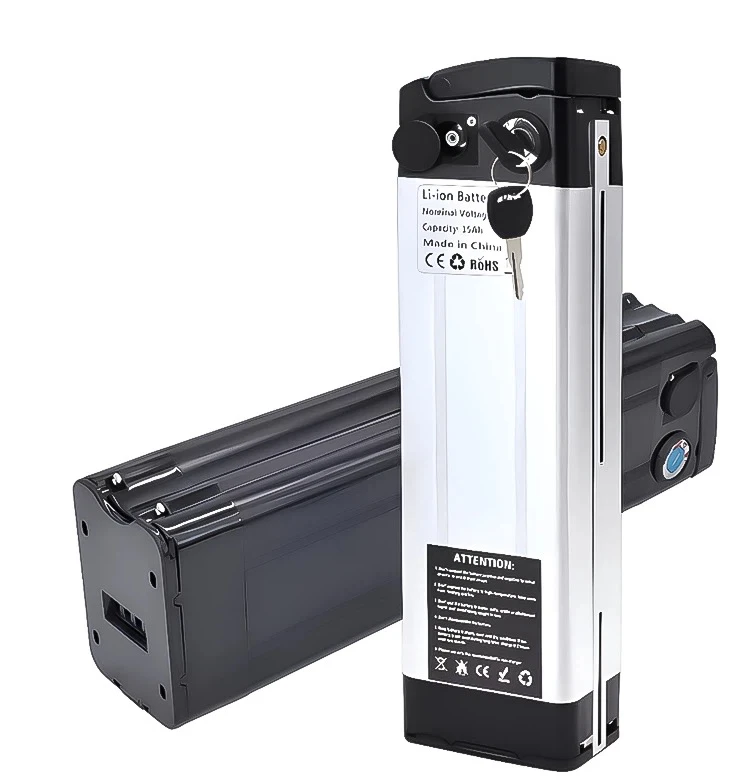
3. Equalization Charging Needs for Different Battery Types
Different battery chemistries require different frequencies of equalization charging. Here's a breakdown by battery type:
Lead-Acid Batteries
Lead-acid batteries, including flooded and deep-cycle variants, are more susceptible to acid stratification and sulfate crystal buildup, making them prime candidates for regular equalization.
Frequency: Equalization is typically recommended every 1-2 months or after about 20-30 discharge cycles. This frequency helps manage acid stratification and keeps the battery in optimal condition.
Why So Often? Lead-acid batteries often need equalization to address issues related to acid concentration variations within the cells. The equalization voltage for these batteries helps dissolve sulfate crystals and balance the cells.
Lithium-Ion Batteries
Lithium-ion batteries are favored for their longevity and efficiency but generally require less frequent equalization.
Frequency: Equalization is often handled by the battery management system (BMS) and may only be necessary once every 6-12 months, or if performance issues arise.
What is Battery Equalization Voltage? In lithium batteries, the equalization voltage helps ensure that all cells are balanced and the battery operates efficiently. However, the BMS typically manages this process automatically.
Lithium Iron Phosphate Batteries
Lithium iron phosphate batteries offer a balance between performance and safety, with moderate equalization needs.
Frequency: Recommended every 3-4 months or after 50-60 discharge cycles.
Equalization Voltage: This type of battery has specific settings for equalization voltage, which helps maintain cell balance and performance.
4. Signs That Your Battery Needs Equalization Charging
Declining Range: A noticeable drop in the bike's range can indicate that cells are not balanced properly and may need equalization.
Inconsistent Battery Voltage: If you experience fluctuations in voltage or a longer charging time, it could be a sign that equalization is needed.
Battery Performance Issues: Reduced power output or difficulty reaching a fully charged state may also signal the need for equalization.
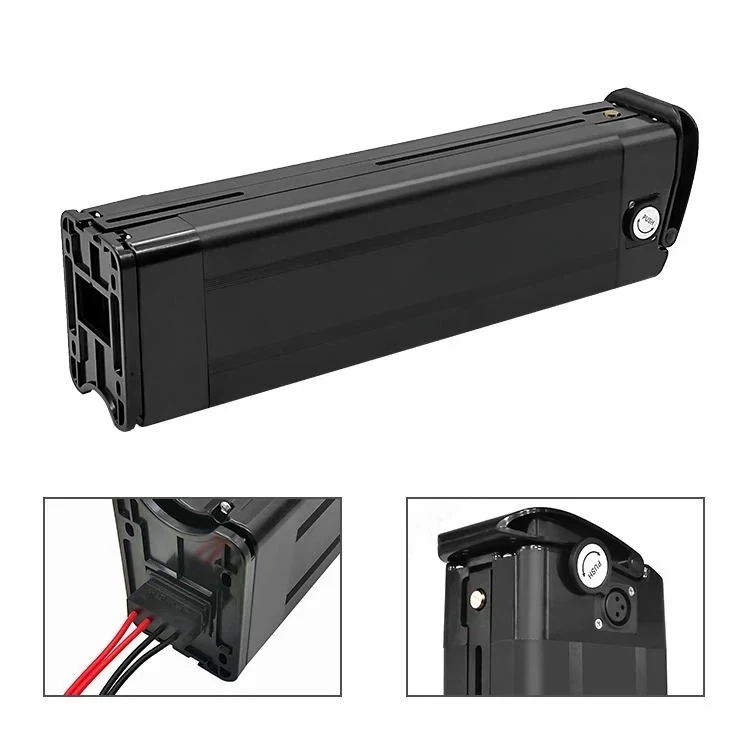
5. How to Perform Equalization Charging Safely
Use the Right Charger: Ensure you have a battery charger with equalization mode, which is essential for applying the correct charge voltage during the process.
Follow Manufacturer Guidelines: Each battery type has specific equalization settings. Refer to the manufacturer's recommendations for proper equalization voltage and settings.
Monitor the Process: Keep an eye on the battery during equalization to avoid overheating or other issues, especially with lead-acid batteries.
Safety Precautions: Maintain proper ventilation and safety measures during equalization to prevent risks associated with overcharging and high charge voltage.
6. Risks of Improper Equalization Charging
Improper equalization charging can lead to:
Overcharging: Excessive charging, especially in lead-acid batteries, can result in overheating and potential damage.
Lithium Battery Issues: Incorrect equalization settings or methods can stress lithium-ion batteries, leading to performance issues or safety risks.
Incompatibility Risks: Using a charger without equalization mode or incorrect settings can exacerbate existing issues rather than resolve them.
7. Conclusion and Recommendations
Equalization charging is a vital part of battery maintenance for electric bikes. Understanding the appropriate frequency and methods for different battery types ensures that your e-bike remains in top condition. Here's a summary:
For Lead-Acid Batteries: Equalize every 1-2 months to manage acid stratification and sulfate crystals.
For Lithium-Ion Batteries: Equalize every 6-12 months, as needed, with settings typically managed by the BMS.
For Lithium Iron Phosphate Batteries: Equalize every 3-4 months to maintain cell balance.
By integrating equalization charging into your maintenance routine and following these guidelines, you can enhance your battery's performance and longevity, ensuring a reliable and efficient ride.


