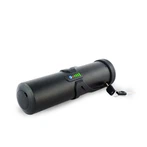
With the development of battery technology and the popularization of battery knowledge, more and more people have learned to make batteries by themselves. 48V batteries have become a common choice for medium and high-performance electric bicycles due to their balance between power, efficiency and size. However, the common batteries available on the market may not always meet your specific needs in terms of shape, capacity or budget. For those with technical talent and a passion for hands-on work, DIY 48V batteries might be a rewarding and cost-effective solution.
As a professional manufacturer of E-bike batteries, we understand every process of Battery production. to enable more people to understand the principle of battery production, today we will introduce in detail How to DIY a 48V Electric Bike Battery for everyone in this guide.

Why Build Your Own 48V E-Bike Battery?
A DIY approach enables full customization of the battery's:
- Voltage and capacity, based on your desired riding range and motor requirements
- Physical dimensions, allowing the pack to fit snugly into your bike's frame or bag
- Cost efficiency, as purchasing components individually can reduce overall expense
It also offers a learning opportunity for those who want a deeper understanding of how e-bike energy systems function. That said, assembling a lithium-ion battery involves significant electrical knowledge and safety awareness. This is not a project for beginners without proper preparation.
Understanding the 48V Battery Configuration
A 48V battery typically consists of 13 lithium-ion cells in series (13S), each with a nominal voltage of 3.7V, resulting in 48.1V total. To increase the capacity (Ah), parallel groups (P) of these 13-cell strings are created. For instance:
- A 13S3P pack = 48V, ~8.7Ah
- A 13S5P pack = 48V, ~12.5Ah
- A 13S8P pack = 48V, ~20Ah
Each additional parallel cell increases the amp-hour capacity and current handling capability of the battery. Selecting the right configuration depends on your riding needs-climbing steep terrain, commuting longer distances, or supporting higher wattage motors.
Tools and Materials You'll Need
Before starting the build, prepare the following essentials:
Battery Components:
- 18650 lithium-ion cells (quantity depends on configuration)
- Pure nickel strips (for low-resistance connections)
- BMS (Battery Management System) rated for 48V systems
- High-current wires (12-16 AWG)
- Connectors (XT60, Anderson, etc.)
Tools:
- Spot welder (preferred for safe cell connections)
- Multimeter or digital voltmeter
- Soldering iron and solder
- Kapton tape / electrical insulation
- Heat shrink tubing and hot air gun
- Safety gloves and eye protection
Step-by-Step Assembly Instructions
Step 1: Plan Your Battery Layout
Design a clear layout of your cell arrangement on paper or using software. Whether using a linear or staggered structure, the goal is a compact and balanced form that fits your installation space.
Step 2: Check and Prepare Cells
Measure the voltage of each cell to ensure consistency (ideally all within 0.05V of each other). Cells with significantly different voltages should not be used, as this can create imbalance and increase the risk of short circuits or overheating.
Step 3: Build Parallel Groups
Assemble cells in parallel first. For example, to build a 13S5P pack, create 5 parallel groups of 13 cells each. Use a spot welder to attach nickel strips across positive and negative terminals of each group.
Step 4: Connect Series Groups
Next, link these parallel groups in series-positive of one group to negative of the next-alternating the direction as you stack them. Use heat-resistant glue or mechanical jigs to keep cells in place during welding.
Step 5: Install the BMS
Mount the BMS on insulating foam at one end of the pack. Follow the wiring diagram provided with your BMS to correctly connect balance leads to each series junction. Then, solder the main charge/discharge wires:
- B- to battery negative
- C- to charger negative
- P- to load (motor/controller) negative
Positive leads typically share the same terminal.
Step 6: Seal and Protect the Battery
Wrap the pack in a layer of foam padding, then secure it using heat shrink tubing for vibration resistance and moderate moisture protection. Ensure all terminals are insulated, and label the pack with its voltage and capacity for future reference.
Safety Guidelines to Follow
Do not mix cells from different batches or brands.
- Never solder directly to cell terminals-use spot welding to minimize heat damage.
- Always wear eye protection, gloves, and avoid working near flammable materials.
- Check polarity before making any connections to prevent reverse voltage accidents.
- Test your pack under low load before full use.
Charging and Maintenance Tips
- Use a lithium-compatible 54.6V charger with current rating around 10–20% of your battery's capacity (e.g., 2A–4A for 20Ah).
- Avoid full discharges; keep usage between 20%–80% for optimal lifespan.
- Store batteries at room temperature, away from direct sunlight or freezing conditions.
Conclusion
Building a 48V electric bike battery can be both cost-effective and rewarding for technically inclined users. It allows you to tailor your battery to your exact specifications while understanding the inner workings of your bike's power system. However, this project requires strict adherence to electrical safety practices and a willingness to learn. Contact us now to learn more about electric bike batteries. ( sales@gebattery.co )