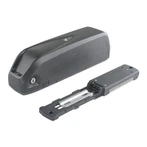
Choosing the right battery chemistry is the most critical engineering decision for any electric mobility brand. In the B2B landscape, there is no one-size-fits-all solution. The debate between Lithium-ion (Li-ion, typically NMC or NCA) and Lithium Iron Phosphate (LiFePO4 or LFP) dominates the market. Understanding the distinct advantages of each technology ensures you match the perfect power source to your specific vehicular application, optimizing both performance and your Total Cost of Ownership (TCO).
1. Energy Density and Weight: The Li-ion Advantage
When lightweight design and compact form factors are the primary goals, standard Li-ion batteries remain the undisputed champions. They boast a significantly higher energy density than LiFePO4, meaning they can store more energy in a smaller, lighter package.
For consumer-facing products like sleek urban commuter e-bikes, high-performance electric mountain bikes (eMTBs), and folding models, Li-ion allows the battery to be seamlessly hidden within the downtube without compromising the bike's handling. This high-discharge, compact chemistry is built on the same exacting principles required to power high-rate drone batteries and high-torque replacement batteries for electric tools, providing intense bursts of power without adding cumbersome weight.
2. Cycle Life and Thermal Stability: The LiFePO4 Supremacy
While LiFePO4 batteries are heavier and bulkier, they offer unparalleled longevity and extreme thermal stability. A standard Li-ion pack typically delivers 500 to 1,000 charge cycles before dropping to 80% capacity. In contrast, a well-engineered LiFePO4 pack can easily exceed 2,000 to 3,000 cycles. Furthermore, the LFP chemistry is inherently highly resistant to thermal runaway, making it the safest commercial lithium technology available.
Because of this robust nature, LiFePO4 is the ultimate choice for heavy-duty and commercial applications where weight is a secondary concern to daily durability. Beyond rugged cargo e-bikes and high-utilization e-bike sharing fleets, this chemistry is the premier B2B motive power solution for industrial cleaning machines, electric forklifts, and marine yachts. These demanding sectors require a battery that can withstand constant deep discharges, extreme environmental conditions, and years of rigorous use without failing.
3. Total Cost of Ownership (TCO) for B2B Operators
For retail e-bike brands selling directly to consumers, Li-ion provides the aesthetic appeal and performance metrics (like lower weight and longer immediate range) that drive showroom sales. The upfront cost is generally aligned with consumer market expectations.
However, for commercial fleet operators, rental businesses, and industrial vehicle manufacturers, the math changes entirely. The upfront cost of a LiFePO4 pack might be slightly higher, and the design requires more spatial planning, but the TCO is drastically lower. Replacing a battery pack is the single largest maintenance expense in a commercial fleet. By utilizing LiFePO4 for utility e-bikes, forklifts, or cleaning machines, operators can effectively triple the lifespan of their power source, significantly driving down the cost per mile or cost per operating hour.
4. Making the Right Choice for Your Production Line
Selecting between Li-ion and LiFePO4 comes down to precisely defining your target end-user. If your brand focuses on agile, high-performance, or aesthetically driven consumer e-bikes, high-rate Li-ion cells are the necessary choice. If your business is engineering rugged utility vehicles, managing delivery fleets, or supplying the broader B2B motive power market-including marine and warehouse equipment-LiFePO4 will provide the safety and long-term economic returns your commercial clients demand. Partnering with a manufacturer capable of producing dedicated, high-quality lines for both chemistries ensures your specific product requirements are met without compromise.