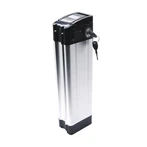
In the highly competitive e-mobility market, off-the-shelf, standard mold batteries often fall short of meeting the unique aesthetic and performance demands of premium brands. For B2B buyers looking to stand out, custom OEM e-bike battery packs offer the perfect solution to seamlessly integrate power into innovative frame designs while maximizing capacity. Here is the step-by-step journey of bringing a tailored lithium battery solution from a rough concept to reliable mass production.
📐 Step 1: Needs Assessment and 3D Structural Design
The customization process begins with a deep dive into the physical architecture of your specific vehicle. Whether you are designing a sleek city commuter requiring a fully hidden downtube battery or a heavy-duty cargo bike needing a high-capacity external pack, customized 3D modeling ensures millimeter-perfect structural integration. This stage locks in the casing design, mounting mechanisms, and waterproof sealing strategies to perfectly match your frame.
⚡ Step 2: Electrical Specification and Smart BMS Matching
Physical fit is only half the equation; the electrical architecture must be flawlessly tuned to your drivetrain. This involves calculating the ideal cell configuration for optimal voltage and capacity. More importantly, it requires custom-programming the Battery Management System (BMS). By applying advanced engineering principles originally developed for high-rate drone batteries, OEM engineers can design custom e-bike packs capable of safely delivering the sustained, high-discharge currents required by powerful motors, complete with IoT communication protocols for real-time fleet diagnostics.
🛠️ Step 3: Prototyping, Tooling, and Rigorous Testing
Once the digital design is finalized, the process moves into physical prototyping and custom tooling. Before a custom pack is approved for manufacturing, the prototype must endure an exhaustive battery of stress tests. Leveraging the uncompromising quality control protocols used for rugged replacement batteries for electric tools, the e-bike prototypes undergo severe drop testing, multi-axis vibration simulations, and extreme high-low temperature cycling to guarantee structural integrity and thermal safety in harsh, real-world conditions.
🏭 Step 4: Scalable Mass Production and Quality Control
The final phase is transitioning the validated custom prototype into scalable B2B mass production. A top-tier manufacturing partner utilizes automated cell sorting, precise laser spot welding, and end-of-line functional testing to ensure every single tailored lithium battery solution matches the golden prototype exactly. This rigorous transition from concept to automated assembly guarantees unwavering consistency, stable lead times, and zero-defect power for your entire production line.