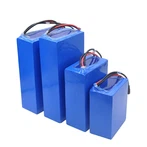
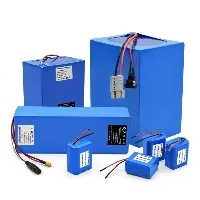
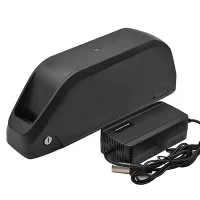
Private label e-bike batteries can help a brand control product positioning, customer loyalty, replacement sales, and margins. But a battery is not like a simple accessory. If the model selection, labels, documents, and warranty terms are not controlled, the private label strategy can create safety, compliance, and reputation risk.
A strong private label battery project starts with a safe and proven technical foundation. Branding comes after the electrical design, housing fit, BMS, cell selection, documentation, packaging, and quality process are confirmed.
Quick Answer: To build a private label e-bike battery line, buyers should first choose suitable existing models or custom designs, confirm safety and compatibility, define logo and label requirements, prepare packaging, verify documents, test samples, negotiate MOQ and warranty, and use traceable production records for repeat orders.
Key Takeaways for B2B Buyers
- Private label success depends on product reliability before logo design.
- Start with proven models when speed, cost, and risk control are more important than unique tooling.
- Labels and packaging must match market expectations and battery safety information.
- Warranty and traceability should be planned before the first bulk order.
Buyer Decision Snapshot
| Private Label Stage | What to Decide | Common Mistake |
|---|---|---|
| Model selection | Existing housing or custom tooling. | Choosing a model only because it looks attractive. |
| Technical approval | Cells, BMS, voltage, capacity, connector, charger. | Approving branding before sample testing. |
| Branding | Logo, label, manual, carton, product photos. | Missing safety labels or inconsistent specifications. |
| Commercial plan | MOQ, trial order, price tier, lead time. | Over-ordering before market validation. |
| After-sales | Warranty scope, spare parts, batch code. | No traceability for customer claims. |
Recommended Reading Path: Private label buyers should also review MOQ planning, quotation comparison, quality control, and warranty terms. To understand manufacturing background, visit About GEB or request a private-label battery plan.
Choose the Right Battery Models First
Some buyers begin with logo design. That is not the best first step. The product model should come first. Decide which batteries your market actually needs: down tube batteries, rear rack batteries, bottle batteries, silver fish style batteries, frame-mounted replacement batteries, or custom packs for complete e-bike systems. A private-label line should match real demand, not only a wide catalog.
For a distributor, it may be better to start with a few high-demand models and test the market. For an e-bike brand, the battery should match the bike frame, motor, controller, charger, and warranty promise. For repair channels, compatibility and connector information are critical.
Model selection questions
- Which battery formats sell most often in your market?
- Which voltage and capacity combinations are required?
- Do customers need replacement batteries or batteries for new bikes?
- What motor power and controller current should the pack support?
- What price segment is your brand targeting?
- Will the battery be sold online, through dealers, or with complete bikes?
Define Brand Positioning Before Label Design
Private label does not always mean premium. Some buyers want an affordable replacement battery line. Others want a high-reliability dealer brand. Some target fleet customers, while others focus on DIY conversion kits. The positioning affects cell choice, BMS rating, packaging quality, warranty period, and marketing language.
If the brand promises long range, the capacity must be real and testable. If the brand promises heavy-duty performance, the BMS and cells must support the current demand. If the brand promises safety, documentation and quality control must support that claim. Good branding should be built on technical truth.
Logo, Label, and Packaging Requirements
Once the model and positioning are clear, the buyer can prepare artwork. Labels should include more than a logo. They should show voltage, capacity, Wh, model number, polarity warnings, charger requirements, safety warnings, serial number, and compliance marks where applicable. The exact label content should match market requirements and product documentation.
Packaging should protect the battery and communicate the brand. For B2B buyers, carton artwork, barcode placement, accessory boxes, manuals, warranty cards, and warning labels should be reviewed before mass production. A professional-looking package reduces support questions and improves customer confidence.
Do Not Ignore Compliance and Documentation
Private-label buyers must understand that selling under their own brand may also mean accepting responsibility in the market. Depending on the region and sales channel, buyers may need test reports, certificates, transportation documents, manuals, warning labels, and traceability information. Requirements can vary, so buyers should verify with local professionals and logistics partners.
Ask the supplier what documents are available for the battery model. If documents are based on a different model, different cell, or different pack structure, they may not support your specific product. For serious B2B projects, documentation should match the model being sold as closely as possible.
Plan MOQ, Trial Order, and Inventory Carefully
Private-label production often has higher MOQ than standard unbranded products because labels, packaging, manuals, and sometimes color or accessory changes must be prepared. Buyers should avoid launching too many models at once. A smaller focused product line is easier to test, stock, and support.
A practical launch path is sample approval, small trial order, dealer feedback, then larger production. This reduces inventory risk and gives the buyer time to improve packaging, manual content, and after-sales process. For seasonal markets, plan production and shipping early to avoid missing peak demand.
Warranty and Traceability Are Part of the Brand
Private-label batteries should have clear warranty terms. Define what is covered, what is not covered, how capacity degradation is evaluated, how misuse is handled, and what evidence is required for a claim. Battery serial numbers, production batches, and test records help the brand manage after-sales more professionally.
A weak after-sales process can damage a private-label brand quickly. Buyers should discuss replacement parts, technical support, failure analysis, and spare stock with the supplier. For distributors, dealer training and installation guidance can reduce unnecessary warranty claims.
Build a Launch Roadmap Instead of Ordering Random Models
A successful private-label battery line needs a launch roadmap. Start with market research, select the first group of models, approve samples, prepare packaging, confirm documentation, test small dealer feedback, then expand the catalog. This approach is slower than ordering a large mixed batch immediately, but it reduces dead inventory and after-sales confusion.
The roadmap should also include content planning. Each private-label model needs clear product photos, voltage and capacity information, compatibility notes, charger instructions, safety warnings, FAQ, and warranty policy. Good content reduces customer uncertainty and supports SEO when the products are published on an independent website.
Private-label launch steps
- Choose 3 to 5 high-demand models for the first launch.
- Approve samples and test them with real bikes or kits.
- Create model numbers, labels, packaging, and manuals.
- Confirm documents and shipping route before bulk production.
- Prepare dealer training, FAQ, and warranty process.
- Collect customer feedback before expanding the product line.
Select a Supplier That Can Grow With the Brand
Private-label buyers should not choose a supplier based only on the first quotation. The supplier should support repeat orders, spare parts, small engineering changes, packaging updates, documentation, and quality records. As the brand grows, the buyer may need new capacities, upgraded cells, smart BMS options, or different housing styles. A flexible supplier reduces the need to restart the sourcing process every season.
Questions to Ask Before Launching a Private Label Battery
- Is this model already proven in similar markets or applications?
- Which parts can be customized without affecting safety or certification documents?
- What is the MOQ for logo, label, carton, and manual customization?
- How will batch codes and serial numbers be managed?
- What photos, specifications, and documents can support your product page?
Procurement Tip: If a supplier answers these questions clearly, the project is usually easier to sample, inspect, and repeat. If the answers stay vague, treat the quotation as preliminary rather than final.
Conclusion
Private-label e-bike batteries can create stronger differentiation and better margins, but only when branding is supported by real engineering, quality control, documentation, and warranty planning. Buyers should choose the right models, define positioning clearly, approve samples carefully, and launch with manageable inventory.
Want to build your own private-label e-bike battery line? Contact GEB to discuss model selection, logo, packaging, sample testing, compliance documents, MOQ, and trial order planning.
FAQ
What is a private-label e-bike battery?
It is a battery manufactured by a supplier but sold under the buyer's own brand, usually with custom label, packaging, model number, and warranty policy.
Is private labeling suitable for small distributors?
Yes, but small distributors should start with limited models and trial orders to reduce inventory and warranty risk.
Can I use my own logo on the battery and carton?
Usually yes, depending on MOQ, artwork requirements, and supplier capability. Buyers should confirm label content, packaging design, and compliance marks before production.
Can I start private labeling with a small order?
It depends on the customization level. Logo labels and simple packaging changes may have lower barriers than custom molds or exclusive designs. Buyers should separate sample, trial order, and mass production plans.