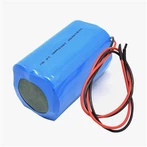
As electric bicycles, or e-bikes, continue to gain popularity, understanding the components that make them efficient and reliable has become increasingly important. One critical component that often confuses potential e-bike owners is the battery, specifically the meaning of "10Ah." In this article, we'll delve into the intricacies of e-bike batteries, focusing on what a 10Ah rating signifies and why it matters for your cycling experience.

Introduction to E-bike Batteries
E-bikes are powered by batteries that provide the energy necessary to assist with pedaling. The bike battery is crucial not only for the bike's functionality but also for the rider's overall experience. Among the various metrics used to evaluate battery performance, capacity is one of the most important. Battery capacity is typically measured in ampere-hours (Ah), which indicates how much electric charge the battery can store.
Understanding these metrics is essential for making informed decisions when purchasing an e-bike. So, what exactly does "10Ah" mean, and how does it impact your ride?
The Basics of Battery Capacity
Before diving into the specifics of a 10Ah battery, let's establish some fundamental concepts regarding battery capacity. Battery capacity measures the total amount of energy a battery can deliver over time, often expressed in watt hours (Wh). For e-bikes, this is crucial because it directly influences how far you can travel on a single charge.
What is Ah (Ampere-Hour)?
The term "Ah" stands for ampere-hour. It quantifies the amount of electric charge transferred by a steady current of one ampere flowing for one hour. For example, a battery rated at 10Ah can theoretically deliver 10 amperes of current for one hour or 1 ampere for 10 hours before needing a recharge.
This capacity metric allows consumers to gauge how long they can ride their e-bike before depleting the battery. However, it's essential to note that actual performance may vary based on several factors, which we will explore later in this article.
Understanding "10Ah" in Context
When you see "10Ah" on an e-bike battery, it indicates the total energy capacity available. A 10Ah battery is quite common and serves as a balanced option for many riders. Let's break down what this means for you:
Range and Distance
The range of an e-bike, or how far it can travel on a single charge, is influenced heavily by the battery's capacity. A 10Ah battery typically offers a range of approximately 30 to 50 miles, depending on several factors such as:
Rider Weight: Heavier riders may consume more energy.
Terrain: Hilly or uneven terrain requires more power.
Assist Level: Higher levels of pedal assistance drain the battery more quickly.
Understanding how these elements interact with a 10Ah battery can help you better anticipate your travel distance and plan your rides accordingly.

Comparing to Other Capacities
E-bike batteries come in various capacities, often ranging from 5Ah to 20Ah or more. Here's a brief comparison:
5Ah Battery: Suitable for short commutes (around 15-20 miles). Ideal for casual riders.
10Ah Battery: A good middle-ground option, providing a balance between weight and range.
15Ah Battery: Offers extended range (up to 60 miles) and is ideal for longer rides or commutes.
20Ah Battery: Provides the maximum range, suitable for frequent long-distance riders.
Choosing the right capacity depends on your riding habits and needs. A 10Ah battery is often considered a versatile choice for everyday commuting.

Factors Affecting E-bike Range
While the battery capacity is critical, several external factors also impact the overall range of an e-bike. Understanding these elements will allow you to make informed decisions about your rides.
Riding Style
Your riding style plays a significant role in battery consumption. Here are a few aspects to consider:
Acceleration: Quick starts and stops can drain the battery faster.
Pedaling: The more you pedal, the less you rely on battery power.
Terrain Navigation: Climbing hills requires more energy than riding on flat surfaces.
Road Conditions
Road conditions can vary significantly, affecting how efficiently your battery is used. Rough or unpaved roads can cause increased resistance and energy loss, leading to quicker battery depletion.
Weather Conditions
Cold weather can adversely affect battery performance. Lithium-ion batteries, commonly used in e-bikes, tend to lose capacity in low temperatures. On the other hand, hot weather can lead to overheating, impacting the battery's longevity.
Choosing the Right Battery for Your E-bike
Selecting the right battery capacity for your e-bike is crucial for maximizing your riding experience. Here are some tips to help you make the right choice:
Consider Your Riding Distance
Think about your typical riding distance. If you primarily ride short commutes or casual trips, a 10Ah battery may suffice. However, if you often embark on longer rides or require additional range, consider opting for a larger battery capacity.
Evaluate Your Riding Conditions
Assess the terrain and conditions you'll be riding in. If you live in a hilly area or plan to ride off-road, a larger battery capacity may be necessary to ensure you can complete your rides without running out of power.
Battery Management System (BMS)
Modern e-bikes often include a battery management system (BMS) that monitors battery health and optimizes performance. This system can enhance the battery's longevity and ensure it operates efficiently, giving you peace of mind during your rides.
Battery Maintenance and Care
Proper maintenance of your e-bike battery can prolong its lifespan and performance. Here are some essential tips:
Regular Charging: Avoid letting the battery fully deplete before recharging. Frequent partial charges are better for lithium-ion batteries.
Storage: Store the battery in a cool, dry place, especially during extreme weather conditions.
Cycle Management: Use your e-bike regularly to keep the battery healthy. Extended periods of inactivity can lead to capacity loss.
Future Trends in E-bike Battery Technology
The e-bike market is continuously evolving, with advancements in battery technology playing a pivotal role. Some exciting trends include:
Solid-State Batteries
Solid-state batteries promise to provide higher energy densities, meaning longer ranges in a lighter package. This technology could potentially revolutionize the e-bike industry by offering more efficient and safer battery options.
Fast Charging
Innovations in fast-charging technology are making it possible to recharge e-bike batteries more quickly. This convenience allows riders to spend less time waiting for their batteries to charge and more time on the road. Typically, a fully charged battery can take several hours, but advancements may reduce this time significantly.
Lithium-Ion Technology
The most commonly used batteries in e-bikes are lithium-ion batteries. They offer a favorable energy-to-weight ratio and longer lifespan compared to older technologies. Understanding how lithium-ion technology works can help you make informed decisions when choosing your e-bike.

How to buy a long life electric bicycle battery
Founded in 2009, GEB has been focusing on the research and development of high-end safe lithium batteries for 15 years, and has never changed its technical route of lithium iron phosphate batteries. We can produce various specifications of batteries, which can be used in electric bicycles, electric motorcycles, golf carts and other fields. Since its establishment, there has never been a safety accident caused by battery quality problems. Here are some of our top batteries with a long range.

|
model |
14S7P 18650 |
|
Charging Plug |
Custom as Client's Requirement |
|
Charger Rate |
0.2~1C |
|
Discharge Rate |
1~3C |
|
Over-discharge Current Protection |
100A |
|
BMS |
Yes |
|
Cycle Life |
800 Times With DOD80% |
|
Charging Operating Temperature |
10℃~45℃ |
|
Discharging Operating Temperature |
-10℃~45℃ |

48v 10ah Lithium Ion Battery For Electric Bike
|
Cycle Life |
1000 Cycles |
|
Battery Type |
Ternary Lithium-ion Battery Cells |
|
Charging Current |
≤3A |
|
Discharging Current |
1C |
|
Max Continuous Discharging Current |
5C |
|
Max Continuous Charging Current |
5A |
|
Weight |
3000G |
|
Dimensions |
390*110*75mm |
|
Warranty Period |
1 Year |
|
Charging Time |
8-9 Hours |
|
Storage Temperature |
0°C-40°C |
|
Brand |
GeB |
|
Charging Working Temperature |
0°C-45°C |
|
Discharging Working Temperature |
-20°C-60°C |
|
Product Certification |
MSDS |